12 WhatsApp Scams you need to know and how to avoid them

April 17, 2024

WhatsApp scams are evolving fast, targeting users with impersonation, fake job offers, crypto schemes, and urgent money requests. With billions of active users and exposed phone numbers circulating online, scammers have a massive attack surface. Knowing the most common WhatsApp scams is critical to avoiding financial loss and account takeover.
Key Takeaways
- Most WhatsApp scams rely on impersonation and urgency. Fraudsters pose as family members, recruiters, tech support, or romantic interests to pressure victims into sending money or sharing sensitive information.
- Phishing links and verification code requests are major red flags. Fake lotteries, WhatsApp Gold upgrades, and support messages often aim to steal login credentials or infect devices with malware.
- Crypto and job “task scams” are rising rapidly. Scammers build trust before introducing fake investment platforms or paid task schemes designed to drain victims’ funds.
- Prevention starts with skepticism and verification. Avoid responding to unknown numbers, never share 6-digit WhatsApp codes, and use scam-detection tools to analyze suspicious messages.
How WhatsApp scams work
Over the past few years, WhatsApp scams have become increasingly common. These scams take various forms, ranging from hackers trying to obtain bank account details to criminals impersonating friends, family members, love interests, or employers and asking users to transfer money.
These scams have become more diverse and sophisticated over time.
But they also have a common goal: to trick users into revealing personal information, sending money, or downloading malware. Scammers use WhatsApp because they can reach billions of potential victims due to its popularity and because phone numbers are easy to find. A data leak from 2022 exposed nearly 500 million WhatsApp phone numbers from 84 countries. With the data, bad actors can make fake identities online or take over other people's accounts to trick more victims into scams.
Let's look at different types of scams being run on the app so you know what you may be dealing with and what to do in case you are targeted.
Friends and family scam
Scammers are using WhatsApp, pretending to be someone's child or a close friend and trick their parents, grandparents, or other family members into sending them money by claiming to be in an emergency. They might say that they lost their phone and need urgent help. This scam can also involve the use of deep fake voice messages. To learn more about this scam and its variations, you can read about it here.
Verification code scam
In this scam, fraudsters try to trick you into sharing your 6-digit WhatsApp verification code. They may claim they accidentally entered your number while setting up their account and ask you to forward the code “by mistake.” In reality, they are attempting to register your phone number on their device. Once you share the code, they can take over your WhatsApp account, lock you out, and use your identity to scam your contacts.
WhatsApp dating scams
WhatsApp scammers create fake profiles and build romantic relationships with victims over time. After gaining trust, they invent emergencies, investment opportunities, or travel plans that require financial help. Some may use stolen photos or even AI-generated images to appear legitimate. Once money is sent, often via wire transfer, gift cards, or cryptocurrency, the scammer disappears.
WhatsApp investment scams
In this scam, fraudsters contact victims on WhatsApp pretending to be financial advisors, successful traders, or representatives of investment firms. They promise unusually high returns and often share screenshots of supposed profits or testimonials from other “clients” to appear credible. Victims are encouraged to deposit money into a trading platform or investment program controlled by the scammers. At first, the account may appear to grow, but when victims attempt to withdraw funds, they are asked to pay additional fees, or the scammers disappear with the money.
WhatsApp text scams
These scams involve unsolicited text messages from unknown WhatsApp numbers claiming to be banks, delivery services, government agencies, or well-known companies. The messages usually create urgency, such as a blocked account, missed package, or suspicious transaction, and include a link to a phishing website. Clicking the link can lead to stolen credentials, financial loss, or malware infection.
WhatsApp video call scams
Scammers initiate unexpected video calls on WhatsApp, sometimes pretending to be attractive strangers or business contacts. In some cases, they record the interaction and later attempt to extort the victim by threatening to share manipulated or compromising footage. Other variations include fake “official” video calls designed to build credibility before requesting money or sensitive information.
'Wrong number' scam
In this type of WhatsApp scam, the fraudster intentionally calls or texts your phone number and pretends to be someone else. They may engage you in a friendly conversation, ask personal questions to gather sensitive information or promote a fake investment opportunity.
Lottery, gifts and giveaways
Cybercriminals send you a message on WhatsApp pretending to be from legitimate companies and claim you have won the lottery, a prize, or a giveaway. These messages usually contain a link to claim the supposed prize. However, the link leads to a fraudulent website that requests personal information, a fee for the prize, or credit card and bank details to confirm. Any data you type in falls into the scammer's hands.
WhatsApp Gold scam
You receive an invitation from an official-looking WhatsApp account to upgrade to WhatsApp Gold. The invitation may include a link that takes you to a spoofed website or infects your device with malware. Clicking on such a link can give the scammer access to your phone, allowing them to steal sensitive information and even message your contacts and scam them.
WhatsApp tech support scams
Scammers pose as WhatsApp support representatives and ask you to verify your identity by sending a verification code as an SMS or Telegram message. They may also offer to "help" by requesting sensitive information like credit card numbers or 6-digit WhatsApp codes. Once they have access to this information, they can hack into your WhatsApp account (link to how hackers take over your WhatsApp account) and gain access to your chats and other personal details.
Crypto scams
WhatsApp scammers often try to build a friendly, possibly romantic, relationship with you before introducing a cryptocurrency scheme. If you fall for their trick and decide to invest, they will ask you to transfer money to a cryptocurrency trading platform. These attackers use fake e-wallets, and once you send money to these platforms, they will disappear, and the money will end up in the attacker's account.
Fake job offer or 'task scam'
You receive messages via WhatsApp from someone posing as a recruiter from a well-known company offering a job opportunity, even though you have never applied for such a position. The scammer promises lucrative projects, flexible working hours, and a generous salary paid through an encrypted wallet. Once you engage in a conversation with them, they start offering various tasks and claim you can earn money easily by completing them.
How to spot a WhatsApp scam
The most important piece of advice when it comes to avoiding these WhatsApp scams is to be wary of the messages received from unknown contacts and not reply to them. Scammers can be creative and persistent, and when they have enough information about you, they can become very convincing. For example, you may be tempted to find out more about a job offer when you are looking for a new one, to panic when you receive a message from your child asking for money, or to be happy you received a gift or coupon from your favorite brand.
No matter how different they are, WhatsApp scams have some common characteristics.
- Unsolicited text messages from unfamiliar numbers
- Messages urging immediate action
- Requests for money or personal information
- Fake WhatsApp messages with suspicious links or attachments
How to avoid WhatsApp scams
- Never share your 6-digit WhatsApp verification code with anyone — not even if they claim it was sent “by mistake.”
- Avoid clicking suspicious links or downloading unknown attachments sent by unfamiliar contacts.
- Be skeptical of urgent requests for money or personal information, even if they appear to come from friends or family.
- Enable two-step verification (2FA) to add an extra layer of protection to your account.
- Verify identities through official channels before acting on job offers, investment opportunities, or customer support messages.
Before responding to any message on WhatsApp, take a moment to slow down and run through a mental checklist of the scam characteristics mentioned above to ensure that the message is safe and trustworthy. If unsure, you can call your child on their usual number or contact the company using the official website's contact details.
You can use Bitdefender Scamio, our AI scam detector. You can easily add it to your WhatsApp and check any messages you receive from unknown numbers.
All you have to do is scan the QR code below
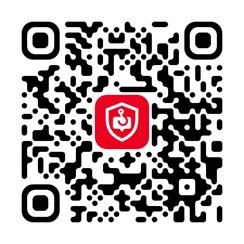
Or click on Chat on WhatsApp with Scamio. Then you can send it text to analyze.
Then describe the scam details or copy texts, links, or QR codes in the chat box, and Scamio will carefully analyze the material you provide. It will let you know whether the message is safe or if there's a potential security threat.
What to do if you encounter a WhatsApp scam
If you have identified a scam or scammer, there are two steps you can take to prevent them from deceiving other people:
1. Report the WhatsApp number (not just block and delete)
To report a scammer, open the chat with them and tap on the three dots at the bottom right corner of the screen. Select "View contact" and then click on "Report". Be sure to check the "Block and Delete" box as well.
WhatsApp will receive the last five messages sent to you by the person you reported. The scammer will not be notified that you have reported them. WhatsApp will also receive the reported group or user ID, information on when the message was sent, and the type of message sent (image, video, text, or other). This will help WhatsApp shut down these fraudulent accounts and prevent the scam from harming other users.
2. Share Bitdefender Scamio to help others
If you want to help your dear ones stay safe from scams, tell them about this tool. Scamio is a free and easy-to-use tool that helps people stay safe from scams, also available on your web browser or Facebook Messenger. You don't need any technical knowledge or other Bitdefender products to use it. We created Scamio to help as many people as possible stay safe because scams, frauds, cons, and hacks are not showing any sign of slowing down.
Frequently asked questions (FAQ)
Is WhatsApp safe to use?
Yes, WhatsApp is generally safe to use thanks to end-to-end encryption, which protects messages and calls from being intercepted. However, scams and social engineering attacks still occur because fraudsters manipulate users into sharing personal information, verification codes, or money. Safe usage depends largely on user awareness and security settings like two-step verification.
Why do scammers use WhatsApp?
Scammers use WhatsApp because it has billions of active users worldwide and relies on phone numbers, which are often exposed in data breaches. The platform allows direct, personal communication, making impersonation scams, fake job offers, crypto schemes, and phishing attempts more convincing and harder to detect.
What should I do if I receive a fake WhatsApp message?
Do not reply, click links, or download attachments. Verify the sender’s identity through official channels if necessary. Block and report the number directly within WhatsApp, and consider using a scam detection tool to analyze suspicious messages before taking any action.
How do I report a WhatsApp scammer?
Open the chat with the suspicious contact, tap the three dots, select “View Contact,” then choose “Report.” You can also block and delete the contact at the same time. Reporting helps WhatsApp review the account and potentially shut down fraudulent activity to protect other users.
tags
Author

Cristina Popov is a Denmark-based content creator and small business owner who has been writing for Bitdefender since 2017, making cybersecurity feel more human and less overwhelming.
View all postsYou might also like
Bookmarks
