Is your social media feed the new scam inbox?

July 03, 2026

For years, staying safe online meant treating unexpected emails with suspicion. Today, many of the scams people fall for don't arrive in an inbox at all. They appear while you're scrolling Instagram. They show up between TikTok videos. They blend into Facebook Marketplace listings or YouTube recommendations. Sometimes they're promoted ads or celebrity "endorsements." And sometimes it’s simply another post in a feed you've learned to trust. According to our 2026 Global Scam Intelligence Report, social media has evolved into a highly effective scam distribution channel, with 36% of users who encountered scams on social platforms interacting with them. Instead of waiting for users to open suspicious emails, scammers now conveniently place traps exactly where people spend hours every day.
Key takeaways
- Social media has overtaken email as one of the primary environments where people encounter scams
- Bitdefender's Global Scam Intelligence Report found that 36% of people who encountered scams on social media interacted with them, making social media a lucrative scam channel
- Health, beauty, fashion and entertainment scams outperform traditional financial lures because they blend naturally into users' daily content consumption
- Consumers often don't actively seek out scams—they're passively exposed through algorithms, sponsored posts, recommendations and trusted creators
- Our consumer research shows people continue to place significant trust in content on familiar platforms, creating opportunities for increasingly sophisticated fraud
Fertile ground for scammers
Unlike email, social media doesn’t inherently trigger skepticism. People open Facebook, Instagram or TikTok expecting entertainment, inspiration and recommendations—not security threats.
That changes how people evaluate what they encounter. A promoted post feels more legitimate than a random email. A product recommended by an influencer appears more trustworthy than a pop-up ad. A video shared thousands of times carries social proof, even when it's entirely fabricated.
Modern recommendation algorithms amplify this effect by continuously serving content users are likely to engage with. Unfortunately, that includes scam content disguised as legitimate promotions. Scammers understand this well. Instead of interrupting users, they blend into the feed.
Lifestyle scams beat financial scams
Traditional financial scams aren't the biggest winners on social media. Lifestyle scams are.
The most successful scam campaigns revolve around topics people engage with every day:
- health and wellness
- beauty products
- skincare
- fashion deals
- celebrity news
- entertainment
- travel
- lifestyle products
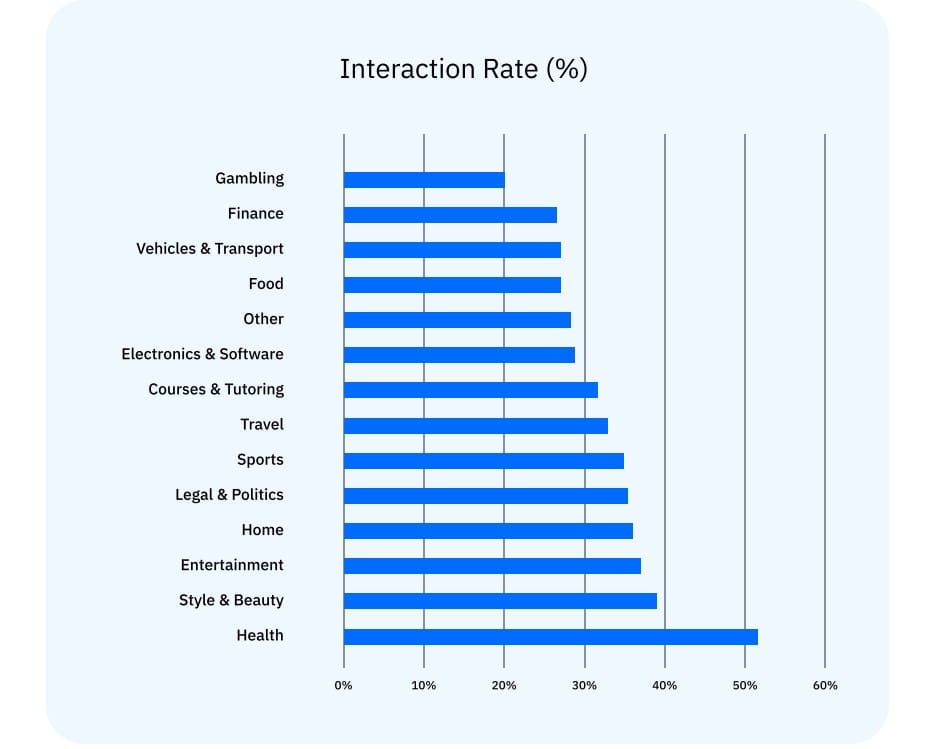
While the average interaction rate across all social media scams sits at 36%, campaigns themed around Health exceed 50% interaction, while Style & Beauty and Entertainment also outperform the average. Finance-themed scams, by comparison, generate substantially lower engagement, while gambling scams perform worst of all.
The difference isn't accidental. People visit social media expecting products, fitness advice, skincare routines, travel deals and entertainment. They don't visit for investment opportunities.
That means a fake health supplement, discounted beauty product or celebrity-endorsed giveaway feels like it belongs in the feed. It matches users' expectations.
By contrast, investment opportunities, cryptocurrency offers, and gambling promotions naturally trigger skepticism because people already associate them with financial risk.
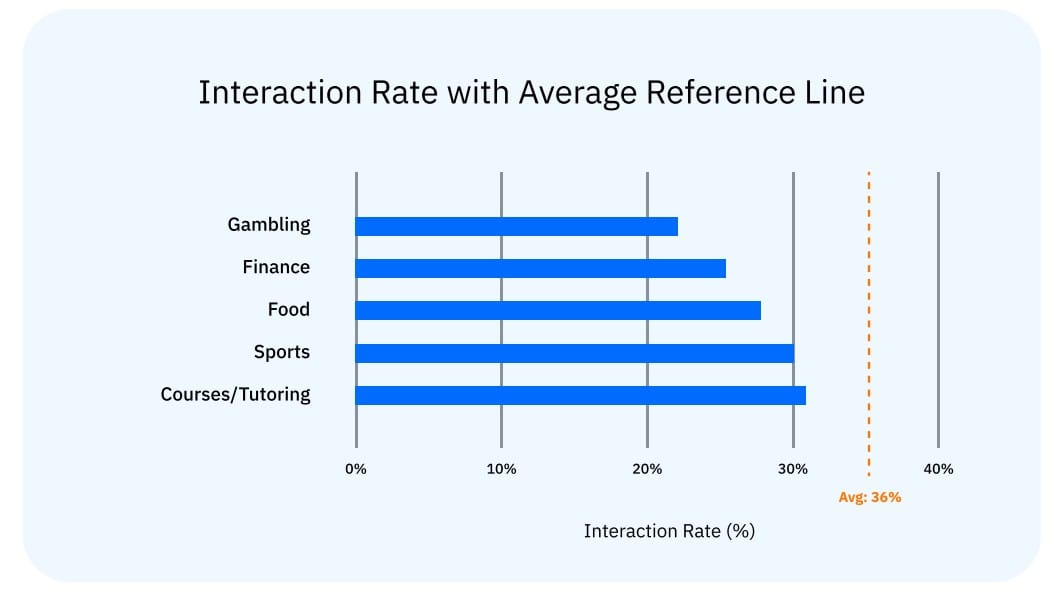
Many scams are commonly delivered through paid advertisements displayed alongside legitimate content, making them look like any other promoted post in the feed. While advertising platforms are designed to vet advertisers, malicious ads still sneak through, increasing the likelihood that users interact with them—sometimes out of curiosity, sometimes by accident.
Plainly put, the most successful scams look ordinary.
Passive exposure
The biggest change isn't just what scammers promote. It's how people encounter it.
Traditional phishing campaigns require criminals to send emails, texts or direct messages to their targets. Social media has replaced that model with passive exposure. Users don't need to receive a message. They simply need to keep scrolling.
Because scam ads appear alongside legitimate content, the brain processes them differently than it would an unsolicited email. They inherit some of the trust users already place in the platform, its advertising system and the creators they follow. Knowing this, cybercriminals blend into the environment.
Feeding the scammers
An earlier Bitdefender study helps explain why social media has become such fertile ground for scams.
Our 2025 Consumer Survey across seven countries found that social media is the leading scam delivery channel, with 34% of respondents saying they encountered scams through social platforms.
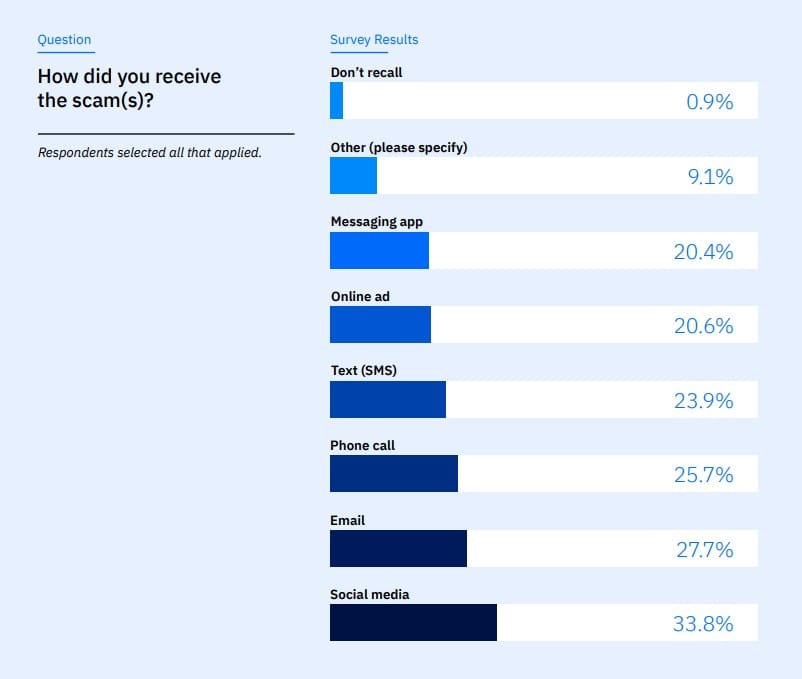
At the same time, people continue to share enormous amounts of personal information online.
Across all respondents:
- 44% share life event photos
- 33% upload personal videos
- 27% post selfies
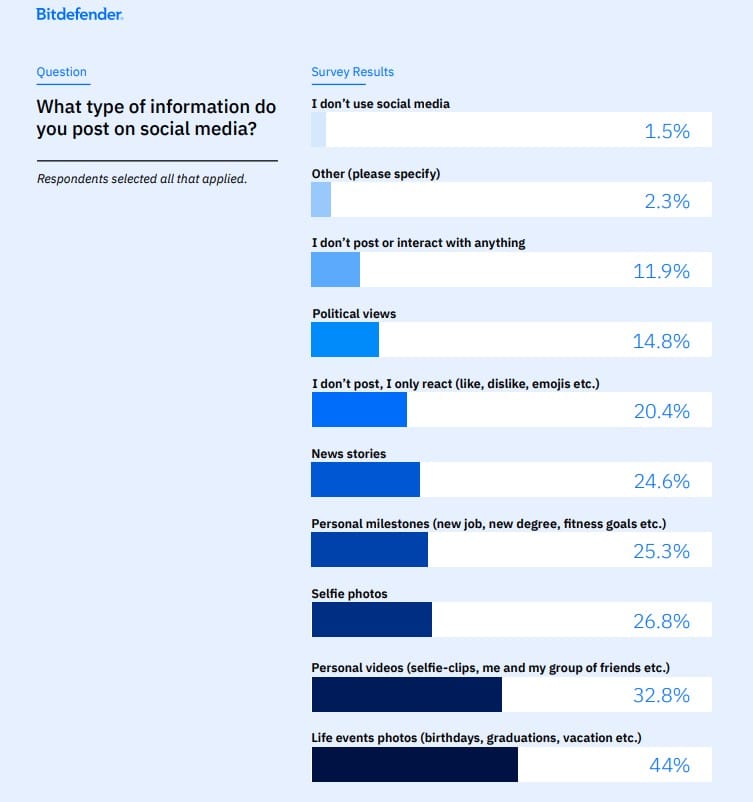
That is valuable information to scammers. Birthdays, graduations, holidays, fitness milestones, family relationships and videos containing your voice can all help criminals build more convincing scams—or train AI tools to impersonate you.
Read: ‘Mom, I Crashed the Car!’: Scammers Clone Son’s Voice to Ask Parents for $15,000 Bailout
According to our survey, 37% of consumers say AI-powered scams (like deepfakes) are now their biggest concern regarding artificial intelligence, ahead of misinformation or job displacement.
Our survey also found that younger generations are more likely to fall victim to scams due to heavier social media use and, implicitly, a greater willingness to share personal content online.
How to stay safe while scrolling
Social platforms aren’t inherently dangerous—but they do deserve the same healthy skepticism once reserved only for emails or texts.
Scammers sneak fake posts into the endless scroll of your social feeds. Since they look identical to the real posts around them, you are already in the habit of looking at them. That seamless fit is what makes the trap work.
To reduce your risk:
- Treat sponsored posts with the same caution as unsolicited emails
- Verify brands by visiting their official website rather than clicking social media ads
- Be wary of health products, beauty offers and celebrity endorsements that seem unusually generous
- Avoid impulse purchases based on urgency or limited-time discounts
- Limit the personal information, photos and videos you publicly share online
- Use security software capable of detecting scammers before they get you
You may also want to read:
The deepfake detector in your pocket: introducing Bitdefender RealCheck
Scam centers keep office hours — because fraud is a business
Americans lost $3.5 billion to imposter scams last year — and the scams are getting harder to spot
tags
Author

Filip has 17 years of experience in technology journalism. In recent years, he has focused on cybersecurity in his role as a Security Analyst at Bitdefender.
View all postsYou might also like
Bookmarks
