Why smart people approve bad payments: How handling payments on your phone puts your business at risk

February 25, 2026
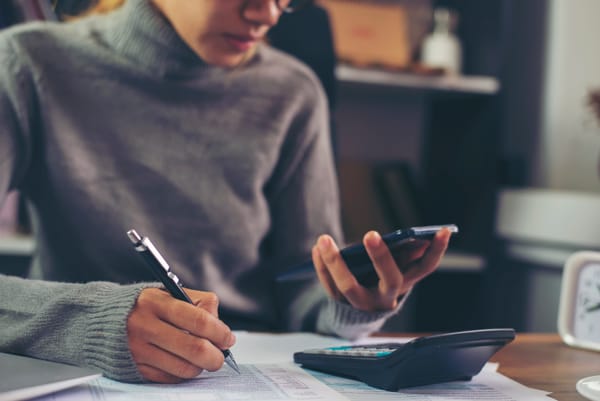
Bad payments rarely happen when you’re sitting calmly at your desk with a coffee next to you. They happen on the move, in those small in-between moments when you’re trying to be efficient and solve one more thing before the day runs away from you.
Maybe you’re in the car waiting for your child to finish practice, or between meetings. You’re replying to messages while walking the dog because that’s when you finally have ten quiet minutes to clear your inbox.
A message arrives that appears to come from your accountant, a long-term supplier, or someone in a position of authority who wouldn’t normally get it wrong. The amount makes sense, so you approve the payment directly from your phone, sometimes through your banking app, Apple Pay, Google Pay, or a quick SMS verification code.
On a small screen, nothing looks obviously suspicious. And because you’re already juggling multiple decisions, you rely on what feels familiar rather than what is fully verified.
This is how intelligent, responsible business owners approve bad payments. Urgency pushes you to resolve quickly, familiarity lowers suspicion, and cognitive overload reduces attention to detail.
The risks of approving payments on your phone
Verification takes more effort on a phone. On a small screen, you rarely see the full sender address, slight changes, or truncated URLs. To double-check a bank detail, you may need to switch between apps, search for an older invoice, log into your accounting tool, and manually compare IBAN numbers.
Key risks include:
- Unauthorized access if the device is lost or stolen. If your phone isn’t properly secured with strong authentication, someone can access banking apps or mobile wallets before you even realize it’s missing.
- Phishing and “smishing” attacks. Fraudulent emails, text messages or fake notifications mimic banks, suppliers, or payment platforms to trick you into clicking malicious links or approving fake transactions.
- Malware on mobile devices. Infected ads, fake apps, or malicious downloads can install software that records keystrokes, steals login credentials, or intercepts one-time SMS verification codes.
- Fake apps or cloned interfaces. Fraudsters create lookalike apps designed to capture card details, PINs, and login credentials.
- SIM swapping attacks. Criminals transfer your phone number to a new SIM card, allowing them to intercept two-factor authentication codes and reset account passwords.
- Unsecured Wi-Fi: Using public, open Wi-Fi networks to authorize payments allows hackers to intercept your data, potentially stealing sensitive financial information.
- Weaker recovery options in “authorized” scams. If you approve a payment yourself — even because you were tricked — the bank may classify it as authorized, making recovery slower or more difficult.
Because mobile payments are often card-not-present transactions, they can carry higher fraud exposure. And when everything happens quickly, the window to react is small.
When your business runs through one device: phone, email, messaging and social media
For many business owners, the same phone handles everything: personal chats, client conversations, banking apps, supplier emails, social media messages, and verification codes.
That means a scam doesn’t arrive through just one channel. An invoice may land in your email, followed minutes later by a WhatsApp message and an SMS asking if you’ve seen it. Because all of it appears on the same device, within the same flow of notifications, it feels connected and legitimate.
Attackers design it this way. When the same request reaches you through email, messaging apps, and text at the same time, it creates the impression of confirmation, even if every channel has been compromised.
Repetition increases credibility, and credibility lowers your guard.
The most common payment scams that reach you this way include:
· Impersonation of your accountant, bookkeeper, or business partner
· Invoice scams, where you receive a realistic-looking bill for services you never ordered, or for a supplier you already pay
· Supplier bank detail change scams, where a “new account number” is sent just before a payment is due
· Tax payment scams, where someone impersonates your accountant or tax authority and pressures you to settle an “urgent” amount
· Subscription renewal scams warning that a business tool or domain will be suspended unless you pay immediately
· Overpayment scams, where a client “accidentally” overpays you and asks for a refund before the original payment clears
Related:
- How Hackers Use AI to Target Small Businesses. What Helps When You Have No IT Team
- How Scammers Trick You into Compromising Your Own Security—and How to Stop Them
The cost of approving one bad payment
When a fraudulent payment goes through, the financial loss is only the first layer.
You spend hours contacting your bank, speaking with your accountant, and sometimes filing a police report. You review transactions, re-check email threads, and notify suppliers — all while trying to understand what happened.
If your email account was compromised, client data may also be at risk. That can lead to difficult conversations, legal obligations, and reputational harm.
Recovery takes time, and time is the one resource most small business owners can’t afford to lose.
Related: Small Business Security Starter Kit: The Tools You Need and Why
How to reduce payment risk without slowing your business down
Start with one simple principle: no payment approvals on the move. If you’re walking, driving, waiting in line, or half-focused, wait. Even a ten-minute pause gives you the attention needed to verify details properly.
Never accept bank detail changes through email alone. Call the supplier using a number you already have on file — not the one included in the message. A second channel can break a scam instantly.
Create a clearer separation between personal and business. Use a dedicated business email account for invoices and avoid confirming payments inside casual messaging apps. The more you mix channels, the easier it is for attackers to blend in.
Related: No IT Department? How Small Teams Can Safely Manage Bring Your Own Device (BYOD)
Turn on multi-factor authentication for your email, banking, and accounting tools. If someone gains access to your inbox, they can manipulate entire payment conversations without you realizing it.
Strengthen the basics:
- Enable transaction alerts so you’re notified immediately about every outgoing payment.
- Avoid approving payments on public Wi-Fi. If you must connect, use a secure network or a trusted VPN.
- Keep your phone and apps updated to ensure you have the latest security patches.
- If you receive a payment request by text, don’t reply directly. Contact the organization through an official, verified channel instead.
Protect the device and communication channels at the same time
Bitdefender Ultimate Small Business Security is built for the way very small businesses actually work: phone, email, messaging apps, banking tools, and social media all running on the same devices. Instead of protecting just one layer, it secures the environment where payments happen.
On the device level, it protects your phone and laptop against malware, malicious downloads, and hidden threats that could give attackers access to your accounts.
At the email level, Email Protection scans messages for phishing attempts, suspicious links, impersonation patterns, and dangerous attachments, helping block fake banking or accounting login pages before you enter your credentials.
Across messaging apps and unexpected channels, Scam Copilot lets you analyze suspicious texts, emails, or links in real time, so you can verify a request before approving a payment.
When you’re working on the go, the Unlimited Premium VPN encrypts your connection, reducing the risk of data interception on unsecured Wi-Fi.
If financial or login data is exposed in a breach, Digital Identity Monitoring alerts you early so you can secure your accounts before further damage occurs.
Together, these layers reduce the risk created by the phone + email + messaging + payment combination. They work quietly in the background, adding protection at the exact moment money or credentials are at stake.
Try Bitdefender Ultimate Small Business Security free for 30 days.
FAQs
Is it safe to approve business payments from your phone?
It can be safe, but it increases risk. Small screens make it harder to spot altered bank details or fake links, and distractions reduce careful verification. Avoid approving payments while multitasking, use secure networks, enable strong authentication, keep your device updated, and always double-check payment details before approving any transfer.
What should I do if I approved a fraudulent payment?
Contact your bank immediately and request a payment recall. Inform your accountant, review recent transactions, and check your email account for suspicious activity. Change passwords and enable multi-factor authentication as soon as possible.
What is the safest way to make business payments?
Verify payment details through a second channel before sending money and use methods with strong fraud protection. Credit cards often offer better dispute and chargeback rights than direct bank transfers, which can be difficult to reverse once approved. Enable multi-factor authentication, use transaction alerts, and avoid approving payments while distracted or on unsecured Wi-Fi.
Is it safe to give payment details over the phone?
Only if you initiated the call using a verified number. Never share payment details or verification codes in response to unexpected calls, texts, or messages claiming to be from your bank, accountant, or supplier.
Can scammers use email and WhatsApp at the same time to target you?
Yes. Scammers often use multiple channels — such as email, WhatsApp, SMS, or even social media — to make a payment request feel legitimate. For example, you might receive an invoice by email, followed by a WhatsApp message asking if you’ve seen it. When the same request appears across different apps, it can feel verified, even if every channel has been compromised.
tags
Author

Cristina Popov is a Denmark-based content creator and small business owner who has been writing for Bitdefender since 2017, making cybersecurity feel more human and less overwhelming.
View all postsYou might also like
Bookmarks
