What Is Looksmaxxing? How Social Media Pressures Teen Boys to Chase Impossible Standards

December 31, 2025
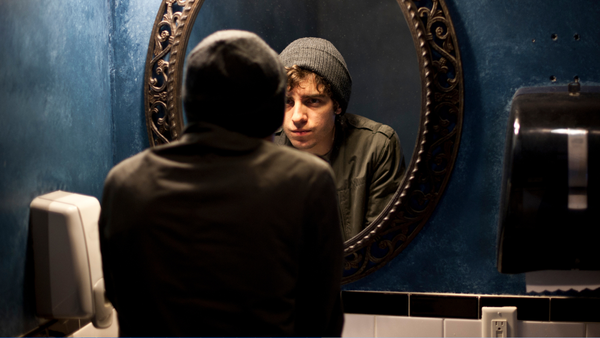
Looksmaxxing is a viral social media trend pushing teenage boys to “optimize” their appearance to unrealistic standards. What starts as self-improvement can quickly turn into obsession, fueled by algorithms, comparison culture, and toxic online communities. Understanding the risks behind looksmaxxing is essential for protecting teens’ mental health and self-esteem.
Key Takeaways
- Looksmaxxing promotes extreme appearance optimization. The trend encourages young men to maximize attractiveness through grooming, fitness, or even invasive procedures to meet rigid beauty standards.
- Social media amplifies pressure and comparison. Platforms like TikTok push idealized, often unrealistic images that can make teens feel their worth depends on physical appearance.
- The trend is linked to harmful mental health effects. Experts warn looksmaxxing can contribute to anxiety, body dysmorphia, low self-esteem, and unhealthy behaviors.
- Some communities promote toxic or dangerous practices. From extreme dieting to risky physical modifications, certain looksmaxxing spaces encourage harmful actions in pursuit of “perfection.”
You’ve probably heard about unrealistic beauty standards for girls, but teen boys are now being pushed toward their own impossible ideal.
A growing trend called looksmaxxing is quietly shaping how many boys see their bodies. It spreads through TikTok, YouTube, Reddit, and Discord, and it tells them that their value as men depends on how they look. This kind of messaging creates impossible standards for boys—ones that can take a serious toll on their mental and physical wellbeing.
Let’s break down what looksmaxxing actually is, how it’s affecting boys, and what you can do to help your son feel good in his own skin.
What Is ‘Looksmaxxing’?
Looksmaxxing is a word made up in online forums. It refers to a belief that boys and men should “maximize” their appearance in order to be respected and desired, especially by women. It encourages them to work toward a set of very specific features: a chiseled jawline, “hunter eyes” (almond-shaped, deep-set eyes), clear skin, tall height (6’1” or more), muscles like an action hero, straight teeth, perfect hair, symmetrical face.
The list is long and not only unrealistic, but often impossible, and still, the online world makes it seem like every guy is chasing it. Worse, it’s not just about looks. These communities talk about “SMV” or sexual market value, as if a boy’s worth depends on how many women would rate him attractive.
Related: What Parents Need to Know About SkinnyTok, the Disturbing Diet Trend Spreading on TikTok
Where Does It Come From?
Looksmaxxing began in online “incel” and “redpill” communities. These are toxic online spaces where men blame women for their dating frustrations and believe only a tiny group of hyper-attractive men ever succeed in love, work, or life.
Over time, the language moved into the mainstream. TikTok and YouTube turned it into something that looks more like a lifestyle trend. Influencers now frame it as self-improvement: eat clean, lift weights, drink more water. But mixed into that advice are dangerous ideas like jaw surgery, steroids, and the belief that being short or having acne means you’re unlovable.
And boys are watching.
A 2025 Movember study found that 63% of young men follow influencers who talk about masculinity. Nearly half of them—43%—say they find these influencers motivating, and 27% also said watching this content makes them feel worthless.
To a teenage boy or young man who’s still figuring out his identity, it can be hard to separate inspiration from pressure. And in online spaces that reward perfection and comparison, even helpful habits can spiral into obsession.
Related: How to Talk to Your Child About Unrealistic Body Standards on Social Media
What Boys Are Being Told to Do
Looksmaxxing shows up in two main forms. The first often starts small and seems harmless and second, far more extreme and dangerous.
Softmaxxing is about trying to “upgrade” your appearance without surgery. Many boys start with things that seem like regular self-care: skincare routines, strict eating habits, or going to the gym. They may sleep on their backs to avoid facial asymmetry, chew hard gum to sharpen their jawline, or practice something called mewing—a tongue posture trend that claims to reshape the face.
At first glance, none of this sounds alarming. But what makes it harmful is the why and the intention behind it. These habits are often driven by pressure to look a certain way, not to feel healthy. And when results don’t come quickly (because they usually can’t), boys may feel like they’re falling behind or failing.
Hardmaxxing, on the other hand, crosses the line into real risk. It includes things like steroid use, growth hormones, cosmetic surgery, and, in some cases, shocking DIY methods. On some forums, boys are encouraged to hit their own faces with hard objects—a practice called bonesmashing—in the hope of reshaping their bone structure.
There are also strange spinoffs, specific sub-niches: auramaxxing (to seem more confident or dominant), moneymaxxing(earning money to impress others), and starvemaxxing (restricting food to lose weight fast). Some of these ideas started as jokes in fringe communities but are now treated seriously in viral videos and comment threads.
Related:
- Gen Z Slang Words: Learn the Teenage Lingo
- How Harmful Online Groups Work and What Parents Can Do to Protect Their Children
Even if your son isn’t copying this behavior, simply being exposed to it can distort his sense of what’s normal—and what’s expected of him as a boy.
Why Looksmaxxing is So Harmful
Boys are often told to “man up” from a young age. That makes it harder for them to talk about insecurities, especially when it comes to their bodies. Looksmaxxing thrives in that silence.
Instead of helping boys feel strong or confident, it chips away at their wellbeing. The constant comparisons and pressure to “ascend” can lead to anxiety, low self-esteem, and even depression. Some boys begin to restrict food or over-exercise, not to feel better, but to chase a body that doesn’t exist. Others develop bigorexia, or muscle dysmorphia, an obsession with getting bigger, leaner, more “ideal.”
This pressure can isolate them from the people and activities they once enjoyed. Instead of asking for help, many boys, especially in their teens, will show their distress through anger or withdrawal.
And then there’s the darker side. On forums and apps, boys as young as 13 post photos and ask strangers to rate their “sexual market value.” Some of these anonymous replies are brutal. Others suggest there’s no hope unless they change their bodies, or worse, hint that life isn’t worth living if they don’t “ascend.”
Even if your son never joins these forums, the messages trickle into the content he sees. And they leave a mark.
Signs Your Son Might Be Struggling with Looksmaxxing Content
Not all boys will talk openly about how they feel, especially when it comes to their appearance. But their behavior often speaks for them. Here are some quiet signs to watch for:
- A sudden focus on jawlines, face shape, height, or posture
- Using unfamiliar terms like “hunter eyes,” “SMV,” “Chad,” or “mewing”
- Extreme or unexplained changes in eating or workout habits
- Mood swings, restlessness, or jittery energy (sometimes linked to supplements or steroids)
- Outbursts of anger, irritability, or frustration—especially if sadness isn’t part of how they normally express emotions
- Withdrawing from friends, schoolwork, or things they once enjoyed
Some boys might also avoid mirrors—or stare into them for long periods, picking apart what they see.
These shifts might seem small at first. But if they add up or start affecting daily life, they’re worth gently exploring.
Related: Why Vulnerable Kids Face Greater Online Risks and How to Help Them Stay Safe
What You Can Do as a Parent
You can’t always control what your son sees online. But you can be the person he trusts when things feel overwhelming—even if he doesn’t say it out loud.
Looksmaxxing pushes one message: you’re not enough as you are. Your role is to quietly challenge that by helping him remember what actually matters.
Make space for conversation, even if it’s not a deep one
You don’t need to sit him down for a serious talk. Teen boys often open up more during everyday moments: while driving somewhere, walking the dog, or even doing the dishes. These low-pressure windows are sometimes when real things come out.
Stay curious
If something seems off, ask, not to interrogate, but to understand. A few open questions can go a long way:
- “What’s the vibe at school lately around looks or dating?”
- “Have you seen any weird trends on TikTok lately?”
- “Who do people think are the good-looking guys in your grade? Why them?”
It’s not about the answers—it’s about making space for his perspective.
Rebalance the scale
If his feed keeps highlighting what’s ‘wrong’ with how he looks, help him see what’s strong, capable, or good in everything else.
“You’re great with your younger cousins.”
“You handled that group project like a pro.”
“You’re someone people want on their team.”
These small reflections matter, even when he shrugs them off.
Bring in real male examples
Point to musicians, athletes, scientists, or creators who didn’t fit the mold—and still became respected, successful, or admired. Talk about when the men in your family hit their stride. Let him hear it’s not a race and it’s definitely not a contest.
Get extra support
If your son’s self-image starts getting in the way of daily life, don’t wait. It’s not overreacting to talk to someone early—whether it’s a pediatrician, school counselor, or therapist.
Digital Protection That Respects Growing Independence
Protection starts with awareness, with knowing in the first place what your teen is going through and being ready to support them without crossing boundaries.
Teenagers are way past the stage of strict parental controls, but that doesn’t mean they’re past risk. That’s why Bitdefender’s Family Plans include customizable Roles for each family member, including teens. These roles give your teen strong protection from scams, phishing links, harmful websites, and unsafe downloads—without making them feel watched or micromanaged. At the same time, you get visibility into potential threats and online behavior patterns, so you can step in when it matters—without reading every message or hovering over their shoulder.
It’s a way to stay connected and protect their growing independence.
Smart protection for kids, teens, parents, and grandparents. Check out Bitdefender Family Plans.
Frequently asked questions (FAQ)
What is the looksmaxxing method?
The looksmaxxing method refers to a set of strategies aimed at improving physical appearance to meet idealized beauty standards. It can include grooming, skincare, fitness, fashion, and in some cases more extreme measures like cosmetic procedures. While some practices are harmless, the trend often promotes unrealistic expectations and obsessive self-optimization.
Is looksmaxxing harmful for teenagers?
Looksmaxxing can be harmful for teenagers because it encourages constant comparison and unrealistic beauty standards. This can lead to low self-esteem, anxiety, body dysmorphia, and unhealthy habits such as extreme dieting or overtraining. Social media amplification makes these pressures more intense and harder to escape.
How can parents protect teens from looksmaxxing trends?
Parents can protect teens by encouraging open conversations about body image, promoting healthy self-esteem, and helping them critically evaluate social media content. Setting screen time boundaries and guiding teens toward positive online communities can also reduce exposure to toxic looksmaxxing content.
tags
Author

Cristina Popov is a Denmark-based content creator and small business owner who has been writing for Bitdefender since 2017, making cybersecurity feel more human and less overwhelming.
View all postsYou might also like
Bookmarks
