What Is Brainrot: How a Meme Took Over Digital Culture, Encompassing Everything from Slang to Roblox Items

October 13, 2025
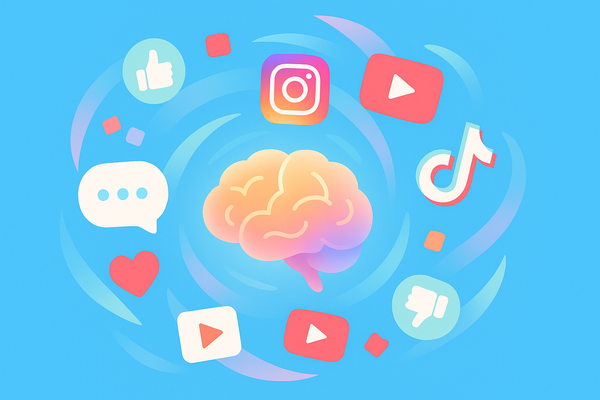
Brainrot is internet slang for the fast, repetitive, absurd online content that spreads across TikTok, Roblox, YouTube Shorts, memes, games, and Gen Alpha conversations. The term can describe both the content itself, such as chaotic memes, catchphrases, sounds, and avatars, and the feeling of being mentally overloaded after endless scrolling. Brainrot is not a medical diagnosis, but it can signal unhealthy digital habits, especially when children spend too much time on low-effort content, copy risky trends, join unsafe Roblox transactions, or struggle to switch offline. Parents should understand the slang, talk to kids without mocking them, and set healthy limits around screen time, privacy, purchases, and online interactions.
Key takeaways
- Brainrot usually refers to chaotic, repetitive, low-effort internet content, memes, sounds, slang, and trends that spread quickly across TikTok, Roblox, YouTube Shorts, and gaming communities.
- The term is often used jokingly by kids and teens, but it can also describe the mental fatigue or attention drain people feel after consuming too much trivial online content.
- Roblox “Brainrots” are meme-inspired avatars or collectible items, and the main risks come from scams, phishing, unsafe trades, fake offers, and pressure to spend money.
- Parents should focus less on banning every meme and more on setting screen-time limits, checking privacy settings, discussing online scams, and using tools such as Bitdefender Parental Control to create safer digital boundaries.
Our kids have all sorts of new words that parents might not recognize. In most situations, they are innocuous. In fact, each generation makes its own slang, so it’s not just a modern phenomenon.
But one word has taken hold, more than the others. Many of these new words spend only a few months in the vocabulary, then become absolute. Brainrot seems to be here to stay, so we should really understand its meaning and influence.
The funny thing is that while kids are the ones using it, its definition applies to almost everyone. It you’ve ever doomscrolled through TikTok or Instagram, checked out weird memes that don’t make sense, or simply spent mornings going through the latest negative news, supposedly to catch up, then you’re guilty of consuming brainrot.
Also, it’s so widespread in today’s culture that it has left the linguistic domain, spreading its influence in the real world. For example, in Roblox, players can collect and wear “Brainrots, which are virtual items that bring the meme to life.
What started as self-aware humor about overstimulation has now evolved into a digital identity.
It became a meta idea: from a meme that mocked overconsumption, it turned into the object of consumption.
The Origin of “Brainrot”
Brain rot has been around for more than 100 years in the English language, and its meaning has been the same all that time. For example, people would say that watching too much TV gives them brain rot.
By 2019, the word brainrot started to become slang, and it was mostly used by gamers and meme creators to describe mental exhaustion generated by too much YouTube, Minecraft, or anything else for that matter. The generation using the word changed, but hasn’t lost its meaning.
At its simplest, brainrot is about being stuck in an addictive loop, even when the content has no meaning. Or worse, the people experiencing brainrot actually know the media they’re consuming has no real value.
It wasn’t serious at first. Brainrot symbolized shared irony. It was a way of saying, “I know this is frying my attention span, but it’s fun.” Over time, that irony became its own cultural expression.
Brainrot Jumps from Joke to Culture
By 2020, the brainrot trend had transformed from a simple meme into an actual aesthetic. The videos had fast cuts, absurd humor, distorted audio, and ridiculous repetitions. An entire segment of the TikTok subculture embraced this chaotic art form.
The idea of a ‘brainrot edit’ quickly became one of the most common video types: flashing images, overlaid memes and inside jokes compressed into 10 seconds of sensory overload. It’s almost akin to digital noise, and the people making them do it on purpose, knowing full well that the content itself is brainrot.
Brainrots in Roblox: When Memes Become Items
The term is not going anywhere. It has already started to influence the real world by becoming more tangible. In Roblox, players can now collect or buy Brainrots, avatar items that portray the trend itself.
These virtual accessories and characters often feature distorted faces, exaggerated expressions, or glitchy designs inspired by the meme’s aesthetic.
Roblox doesn’t officially make these products – they’re user-created content, entirely designed and sold by the community. And like any other item that becomes traded for real money, brainrot has also become the source of scams and even malware.
Roblox Executors, illegal modifications of the game that sometimes come bundled with malware, have entire sections dedicated to the easy collection and acquisition of “brainrots.”
That’s the paradox of internet culture: everything ironic eventually becomes real.
The Psychology Behind Brainrot
Why do people embrace something called brainrot with pride? The psychology behind it is complicated, entwined with the state of the world at any given point.
It reflects a modern paradox. We know all too well that we’re overstimulated, yet we choose to participate anyway.
According to the Newport Institute, the definition seems simple enough:
Brain rot is a condition of mental fogginess, lethargy, reduced attention span, and cognitive decline that results from an overabundance of screen time.
The problem is that, while it’s easy to offer definitions for brainrot consumption, it’s much more difficult to explain why people create brainrot.
Dopamine Loops and Digital Reward Systems
Social media and games such as Roblox are designed for instant gratification, creating loop conditions that drive us to look for constant novelty instead of meaningful content.
It’s a possibility that even ironic participation (“haha, I have brainrot”) becomes a way for people to cope with overstimulation by turning it into something funny.
Can We Escape Brainrot Culture?
Escaping isn’t about deleting apps or boycotting memes. It could simply be about reclaiming the lost focus in some small way.
Practical Tips to Reduce Digital Brainrot:
- Curate your content. Mute or unfollow accounts that trigger endless scrolling.
- Set limits. Use built-in timers or wellbeing apps to reduce screen time as much as possible.
- Engage intentionally. Choose games or media that reward creativity, not mindless.
- Practice digital “fasting.” Replace micro-content with long reads, music, or hobbies.
- Reconnect offline. Irony is fun, but mindfulness brings lasting satisfaction.
Or maybe we could simply have to ride this one trend until it disappears from existence. It might have a longer lifespan than others, but it too will fade.
How Bitdefender Helps You Stay Aware and Protected in the Age of Brainrot
The same environment that generates brainrot, such as endless notifications, loops, and other types of digital noise, is also where scams, phishing and malware attacks thrive.
Bitdefender’s Tools for Digital Awareness:
- Digital Wellbeing & Parental Control: Help families manage screen time and digital habits.
- Anti-Scam Protection: Detects fake links and suspicious pages that often circulate on viral platforms.
- Device protection: Downloading content or trying to find that latest brainrot item can result in simply downloading malware. Stay safe with dedicated solutions such as Total Security.
Frequently asked questions (FAQs)
What does brainrot mean?
Brainrot is internet slang for the mental fatigue or “mind-numbing” feeling people associate with consuming too much low-effort online content, especially short videos, memes, gaming clips, and repetitive trends. It can also refer to the content itself, such as chaotic TikTok memes, Roblox items, catchphrases, sounds, or jokes that spread quickly among kids and teens. Brainrot is not a medical diagnosis. Oxford named “brain rot” its 2024 Word of the Year and defines it as the perceived decline of a person’s mental or intellectual state from overconsuming trivial or unchallenging content.
What was Gen Z brainrot?
Gen Z brainrot usually refers to the internet memes, slang, inside jokes, and short-form video trends that became popular among Gen Z users on platforms like TikTok, YouTube, X, Instagram, Discord, and gaming communities. Examples include absurdist memes, ironic humor, viral sounds, and repeated phrases that make sense inside online subcultures but may seem confusing to outsiders. Today, the term is often also linked to Gen Alpha trends such as Skibidi Toilet, Roblox brainrot items, “sigma,” “rizz,” and other fast-moving meme language.
What is a brainrot?
A brainrot can mean a meme, trend, sound, phrase, video, avatar, or game item that feels addictive, repetitive, silly, or extremely online. In Roblox, “Brainrots” can refer to meme-inspired avatars or collectibles that players use for humor, identity, or status, but they can also create risks around fake trades, phishing links, and scam offers.
What is a brainrot slang?
“Brainrot” as slang describes either low-effort internet content that people consume repeatedly or the feeling of being mentally overloaded by that content. Someone might say “this is brainrot” about a chaotic meme, or “I have brainrot” when a phrase, sound, video, or trend is stuck in their head. For parents, the key point is that brainrot is usually a joke, but it can also be a sign to talk about screen time, online scams, privacy, and healthier digital habits.
tags
Author

Silviu is a seasoned writer who followed the technology world for almost two decades, covering topics ranging from software to hardware and everything in between.
View all postsYou might also like
Bookmarks
