The world is not ready for ‘rizz-camming’: smart glasses with disabled LEDs are secretly filming people

September 25, 2026
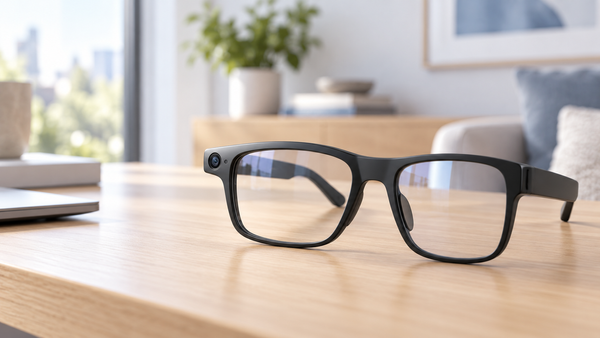
Modified smart glasses are creating a new privacy risk as people buy camera-equipped eyewear, remove or disable the tiny light meant to warn bystanders, and record secretly.
The danger is not only the footage itself. Videos can be uploaded, copied, miscaptioned and used to harass a person long after the original encounter ends.
Investigators have already identified sellers who offer to modify smart glasses and disable recording so that people nearby can’t tell they’re being recorded. One reporter paid $100 for a modification in a New Jersey garage after finding listings across the US.
The services are often marketed as “Stealth Mode.” For example, Meta has responded with software designed to disable a camera when it detects that its capture LED has been covered, tampered with, or destroyed. But there are other smart glasses makers worldwide.
Key takeaways
- A recording LED is a bystander warning, not a guarantee that a wearer is behaving responsibly
- Journalists have documented paid services that physically alter smart glasses to defeat that warning
- Footage can be shared to Instagram, TikTok, YouTube, private groups and reposting accounts, making removal difficult
- Women and girls face particular risk when creators turn unwanted approaches into “rizz-camming” content for an online audience
- If you think you were secretly recorded, preserve the evidence, report the content and seek local legal advice or police support where appropriate
Why a tiny recording light matters
Camera glasses can be useful for hands-free photos, accessibility features, and recording a trip or event. No one disputes that the glasses have legitimate uses. Unfortunately, their design also shifts the social contract around recording.
A phone camera is usually visible: someone raises it, points it, and holds it in their hand. Smart glasses place the camera at eye level and look more like an everyday accessory.
That’s why the capture LED is important. The small light that signals to those around the wearer that a photo or video is being taken is a crucial privacy feature. Meta says its second-generation glasses already prevented recording when the light was blocked.
In July, the company said it was extending this safeguard so the camera would be disabled if the LED had been physically altered or destroyed, and it would also remove listings that advertise such services.
Secret recording becomes more harmful when it goes online
A hidden recording may last seconds, but consequences can last much longer.
First-person videos are easy to frame as “content.” A creator can add a mocking caption, edit out context, or present an uncomfortable interaction as a joke. Once uploaded, the original post can be copied to other accounts, downloaded, reposted in private channels, or discussed in forums the target may never see.
This creates a second layer of harm: identification. A video may reveal a face, workplace, name badge, location, home entrance, children, vehicle, or routine. Seemingly minor details can make it easier for strangers to identify, contact, harass, or stalk the person in the footage.
The Guardian newspaper reported on a woman who was filmed in her own home during a Marketplace transaction; information from the related payment trail helped a stranger locate her.
Rizz-camming turns an unwanted encounter into content
“Rizz-camming” is online slang for filming an attempt to flirt with or approach a stranger. This often happens from a first-person perspective the interaction is shared online as “content.” In the smart-glasses context, it can turn an everyday conversation into a one-sided interaction in which the person being approached has no idea they are being recorded.
The creator could seek a surprised reaction, a refusal or an uncomfortable exchange because it’s more likely to attract views and comments. When a smart-glasses recording light has been disabled, the target lacks even a basic warning that a camera is running.
Filming someone without their knowledge and posting the video to invite jokes, ratings or sexualized comments can expose them to humiliation, identification and sustained harassment. The risk becomes especially serious when captions or comments reveal where the person works, studies or lives, or when copies move from the original platform into private groups and reposting accounts.
Fortunately, Meta is beginning to crack down on people who disable their LED, by disabling the camera feature entirely. However, keep in mind that other companies making this type of hardware might not be as quick to take necessary measures.
What to do if you think someone recorded you without consent
It’s hard to identify a modified device when it’s in use. You can’t assume everyone wearing smart glasses is recording, and shouldn’t confront someone if you feel unsafe. Focus on your immediate safety and on preserving information that could help you later.
- Move to a staffed or public area and ask a friend, colleague, venue manager or security worker for help.
- Note what you can safely remember: time, place, what was said, the glasses’ appearance, the person’s description, companions and any vehicle details.
- If a video appears online, save the URL, account name, screenshots, date and visible comments before reporting it. Avoid reposting it, which can spread it further.
- Use the platform’s privacy, harassment or non-consensual-content reporting route. Ask the platform to remove copies as well as the original post when you can identify them.
- Consider reporting the incident to the venue, employer, school or event organizer. Depending on where you live and what was recorded, police or a privacy/data-protection authority may also be appropriate.
- If the footage exposes your identity, address, workplace or children, tell close contacts and review what personal details are publicly visible on your social accounts.
Laws on filming and audio recording vary widely by country and state. A recording made in public may be treated differently from one made in a private space, and recording audio can come under separate rules.
FAQ
Can smart glasses record without a visible light?
Unmodified glasses are designed to show a capture LED during photo or video recording. Investigations have documented services that try to disable or remove that light, and Meta has introduced tamper-detection updates in response.
Is secretly recording someone with smart glasses illegal?
It depends on where you are, whether audio was recorded and whether the setting was public or private. Different countries and states have different laws, so it’s not a black-and-white situation.
Why are modified smart glasses particularly concerning for women?
Reports have linked smart-glasses videos to rizz-camming and other online content in which women are approached, filmed and mocked or sexualized without consent. The footage can expose a person to unwanted attention and harassment beyond the original encounter.
What does rizz-camming mean?
Rizz-camming is the practice of recording attempts to flirt with or approach strangers and publishing the encounters as content.
What should I do if a video of me appears online?
Save evidence, report the post through the platform’s privacy or harassment tools, ask for copies to be removed and consider reporting it to the venue, police or a privacy authority when appropriate.
Can I tell whether someone’s smart glasses have been modified?
A missing light is not reliable proof that a person is recording or that glasses have been altered.
This article is published for informational and educational purposes only. The information presented is based on technical research conducted by Bitdefender Labs and publicly available sources. Bitdefender does not make any legal determination regarding the activities described herein. The mention of any company, brand, domain, or individual does not constitute an accusation of illegal activity. Readers should exercise their own judgment and consult appropriate authorities or legal counsel if they believe they have been affected by any of the activities described. Domain names and URLs listed in this article are provided solely to help consumers and security professionals identify potentially harmful infrastructure. Bitdefender disclaims any liability for actions taken based on the information in this article.
tags
Author

Silviu is a seasoned writer who followed the technology world for almost two decades, covering topics ranging from software to hardware and everything in between.
View all postsYou might also like
Bookmarks
