As Deepfakes Spread, YouTube Makes AI Labels Harder to Miss

May 29, 2026
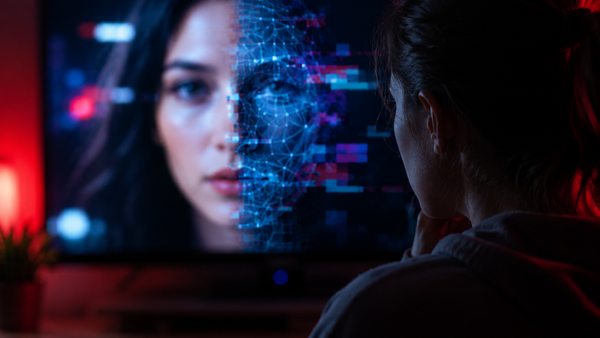
As AI-generated videos become harder to distinguish from authentic footage, YouTube is rolling out more visible labels and automated detection systems to help viewers identify synthetic and AI-altered content.
The move comes amid growing concern over deepfakes, AI-generated misinformation, and the rapid adoption of generative AI tools by content creators. Rather than relying solely on creators to disclose when AI has been used, YouTube says it will begin automatically identifying some AI-generated content and applying labels itself.
Key takeaways
- YouTube is making AI-content labels more prominent on videos and Shorts
- Labels will appear directly below standard videos and as overlays on Shorts
- The platform will automatically detect and label some AI-generated content
- Detection will rely on internal systems as well as technologies such as C2PA metadata and Google's SynthID
- Creators can dispute incorrect labels, but some disclosures may be permanent
AI disclosures move into plain sight
Until now, YouTube's AI disclosures have been relatively easy to overlook. Information about whether a video contained AI-generated or significantly altered content has typically been buried inside the "How this content was made" section within a video's description.
Under the new system, viewers won't have to dig for that information. YouTube says AI labels will appear directly beneath the video player for long-form content, while Shorts will display a visible AI overlay during playback.
The company says the change is intended to provide clearer context when viewers encounter realistic-looking synthetic media, particularly content that could be mistaken for genuine footage of people, events, or places.
YouTube will automatically flag videos made with AI
Perhaps the biggest change is YouTube's decision to automatically identify some AI-generated content.
The platform previously depended heavily on creators to disclose when videos contained realistic AI-generated or AI-altered material. Going forward, YouTube says it will use internal detection signals and technologies such as C2PA metadata and Google's SynthID to identify synthetic content that wasn't properly disclosed.
“We've learned in that time about what people find useful when it comes to AI disclosures, and today we're making two updates that we think will make this process much simpler and more intuitive for creators and viewers on YouTube,” the Google-owned service said in a blog post Thursday.
“By moving these labels on to the main stage, viewers get the context they need at a glance. This is now the single label format for all photorealistic and meaningfully AI altered or generated content on YouTube.”
If the system determines that a video contains significant AI-generated elements, YouTube may apply a disclosure label even if the creator fails to do so. Creators will have a chance to challenge incorrect labels through YouTube Studio.
The growing challenge of AI-generated deception
The announcement reflects a broader industry struggle to address the risks associated with generative AI.
Modern AI tools can now produce videos, voice clones, and synthetic images that are increasingly difficult for viewers to spot. While many creators use these technologies for editing, visual effects, or creative storytelling, the same tools can also be used to create deepfakes, impersonations, and misleading content.
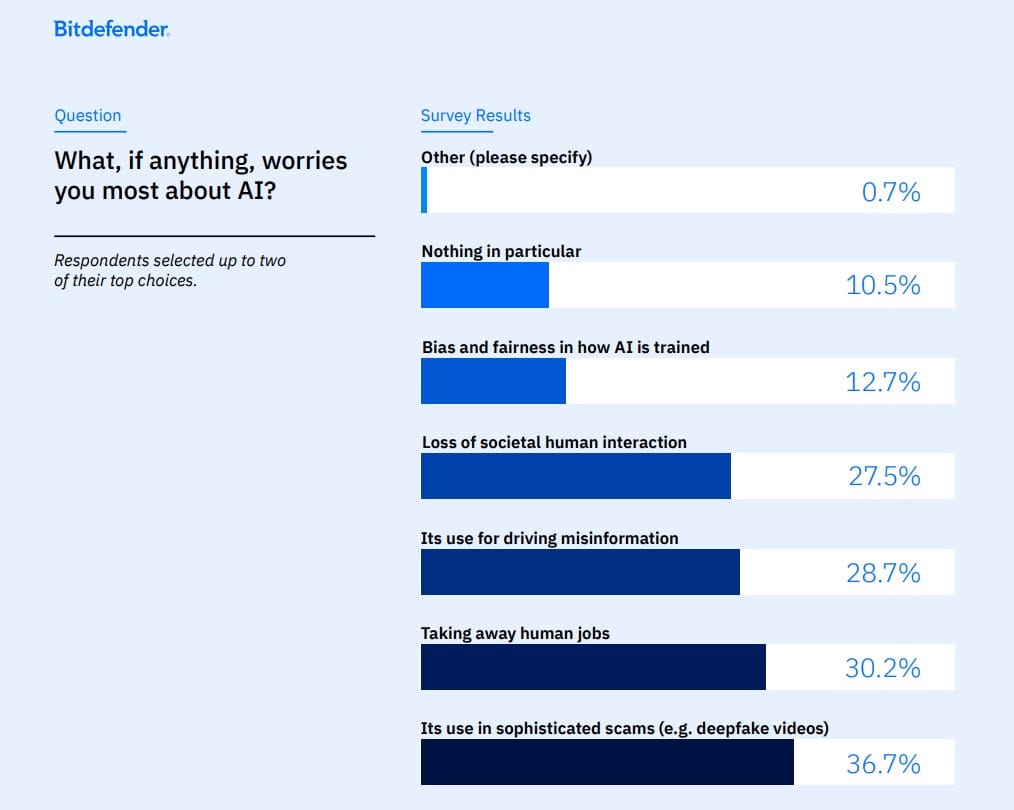
In the 2025 Bitdefender Consumer Cybersecurity Survey, consumers in seven countries stated loud and clear that they are concerned about AI being weaponized to commit fraud and deception.
While AI promises incredible advances, 37% of respondents said the use of AI in sophisticated scams (e.g., deepfake videos) was their top concern — ranking above job loss and misinformation.
YouTube has been gradually expanding its efforts toward transparency. In 2024, the platform introduced disclosure requirements for realistic AI-generated content. It also launched tools that required creators to identify when videos contained synthetic media viewers could mistake for real events or people.
More recently, the company has expanded AI-related safety initiatives, including tools that help creators detect and remove unauthorized AI-generated versions of their likeness.
What this means for you
More visible labels won't eliminate AI-generated misinformation, but they may make it easier for viewers to approach suspicious content with the right level of skepticism.
The update also signals a shift toward platform-level responsibility. Rather than placing the entire burden on creators, YouTube is increasingly using technical measures to identify synthetic content on its own.
For viewers, however, labels should be treated as one signal — not a guarantee. Not every AI-generated video will be detected immediately, and malicious actors are constantly looking for ways to evade platform safeguards.
How to stay safe from AI-generated scams and misinformation
As synthetic media becomes more common online:
- Verify sensational claims through multiple trusted news sources.
- Be wary of videos that provoke strong emotional reactions or a sense of urgency.
- Remember that realistic voices and faces can now be artificially generated.
- Check whether platforms provide AI-content disclosures or authenticity labels.
- Use security tools that help protect against phishing, scams, and malicious links often distributed alongside misleading content.
AI-generated media is becoming a permanent part of the internet. While YouTube's new labeling system won't solve every challenge associated with synthetic content, it’s a solid step toward giving users more transparency about what they're watching—and whether what appears real actually is.
You may also want to read:
Google Search is being rebuilt around AI
AI Is turbocharging scams worldwide, INTERPOL warns
Before you use AI-generated images for your business, read this
tags
Author

Filip has 17 years of experience in technology journalism. In recent years, he has focused on cybersecurity in his role as a Security Analyst at Bitdefender.
View all postsYou might also like
Bookmarks
