Crypto investment scam sends couriers to collect victims' cash, FBI warns

June 16, 2026
Online investment scams have evolved beyond fake websites and fraudulent trading apps.
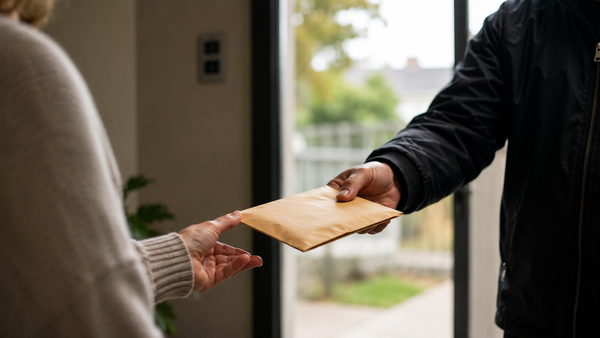
According to a warning from the FBI's Internet Crime Complaint Center (IC3), scammers are increasingly dispatching real-world couriers to collect cash directly from victims' homes and public meeting locations as part of cryptocurrency investment scams.
The tactic adds a troubling offline component to a scam category that already costs victims billions of dollars each year.
Key takeaways
- The FBI warns that cryptocurrency investment scammers are using couriers to collect cash from victims in person
- The interaction typically starts on social media
- Victims are often persuaded to invest via fake crypto platforms that display fabricated profits
- Criminals may claim cash pickups are necessary because banks blocked transfers or because additional fees are required to unlock funds
- Older adults are frequent targets
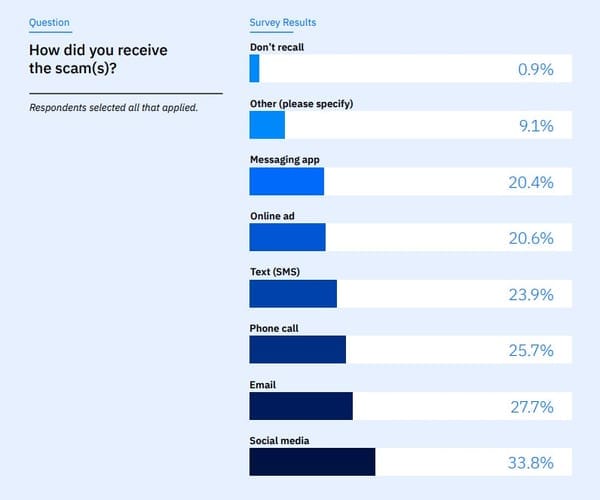
- Data from the Bitdefender 2025 Consumer Cybersecurity Survey shows that social media is fraudsters’ preferred scam-delivery system
- Victims are urged to report incidents to IC3 and preserve all evidence
How the scam works
According to the FBI, the scheme often begins with a seemingly innocent online interaction.
Scammers may pose as potential romantic partners, business contacts, or successful cryptocurrency investors on social media, dating platforms, or through unsolicited text messages. After building trust, they encourage victims to invest in cryptocurrency through specific apps or trading platforms controlled by the criminals.
Victims are initially shown legitimate-looking investment accounts and attractive returns. In reality, the platforms are fraudulent, and the profits displayed are entirely fictitious. The false gains are designed to persuade victims to invest larger amounts of money.
The scam becomes even more worrying when traditional payment methods encounter obstacles.
Why criminals are turning to cash pickups
The FBI says scammers frequently encounter resistance when victims attempt large bank transfers. Financial institutions may flag or block suspicious transactions, making it harder for criminals to receive funds electronically. To work around these safeguards, fraudsters increasingly tell victims to withdraw cash instead.
Victims may be told that:
- Their account has been "flagged"
- Additional fees or taxes are required to release profits
- Cash deposits are necessary to continue investing
- Alternative payment methods are needed because of banking restrictions
Once the victim has the cash, the scammer arranges for a courier to retrieve it in person.
The courier verification trick
To reassure victims that the courier is legitimate, scammers often use a simple authentication method.
The victim receives a dollar bill serial number, password, or code from the scammer. When the courier arrives, they present the matching serial number or provide the agreed-upon password as proof of their identity. This tactic creates the illusion of a secure and professional transaction.
After the cash changes hands, victims may see an apparent increase in their account balance on the fake investment platform. This fabricated activity reinforces the illusion that their investment is growing.
When victims try to withdraw funds, they are typically told they must pay additional taxes, penalties, or fees—often triggering another round of cash pickups.
As the FBI explains:
When the courier arrives, they show the victim the dollar bill or provide the agreed-upon password to authenticate the courier's affiliation with the scammer.
A familiar scam with a new twist
The FBI notes that in-person cash collection is not unique to cryptocurrency fraud. Similar courier-based tactics have appeared in grandparent scams, law-enforcement impersonation schemes, tech support fraud, and other financial crimes.
What makes this trend notable is the blending of sophisticated online manipulation with physical-world collection methods. By using couriers, criminals can bypass some anti-fraud controls implemented by banks and payment providers while making victims feel they are participating in a legitimate investment process.
Warning signs to watch for
The FBI recommends extra caution if someone:
- Contacts you unexpectedly about an investment opportunity
- Quickly attempts to build a close personal relationship online
- Encourages you to use a specific cryptocurrency platform
- Claims your funds are locked and require additional payments
- Requests cash withdrawals instead of standard financial transactions
- Arranges for someone to collect money from your home or another location
The agency also warns about “love bombing,” a manipulation technique in which scammers overwhelm targets with affection, attention, and praise to establish trust before exploiting them financially.
The bureau’s warning also highlights a broader trend: many of today's investment scams begin on social media, where fraudsters can quickly reach large numbers of potential victims.
Social media has become a cash cow for scammers
New data from the U.S. Federal Trade Commission (FTC) reveals a surge in fraud linked to social platforms. In 2025, nearly 30% of people who reported losing money to a scam said the interaction began on social media, with reported losses totaling $2.1 billion. Social media scams caused far more losses than any other contact method that scammers use to reach consumers—an eight-fold increase since 2020.
Data from the Bitdefender 2025 Consumer Cybersecurity Survey supports those findings, with more than a third of respondents reporting they encountered a scam through their social media feed.
According to FTC data, the top three social media scams today are investment, shopping, and romance scams.
How to stay safe (Bitdefender’s advice)
To reduce your risk of becoming a victim:
- Be skeptical of unsolicited investment advice from strangers
- Verify the identity of online contacts through independent channels
- Never hand cash or valuables to strangers as part of an investment
- Research cryptocurrency platforms thoroughly before investing
- Search for reviews, complaints, forum discussions, and information about the platform's website or app
- Avoid clicking links or responding to unsolicited messages promoting investment opportunities
Consider using reputable security software and staying informed about emerging scam tactics. When in doubt about an unsolicited phone call, text or social media interaction, use Scamio, our free scam detector and prevention service. Simply describe your situation and let Scamio guide you to safety.
Bitdefender has also recently introduced Scam Radar, a new feature integrated into Bitdefender Mobile Security for Android and Bitdefender Mobile Security for iOS.
Scam Radar enhances our mobile security defenses with capabilities designed to identify emerging scam campaigns and improve user awareness before fraud occurs.
Bottom line
The safest approach is simple: no legitimate investment company will send a courier to collect cash from your home or require additional payments to unlock investment profits.
If you get a request for in-person cash pickups, taxes, penalties, or withdrawal fees, treat it as a red flag.
You may also want to read:
Social Media Scams Cost Americans $2.1 Billion in 2025, FTC Warns
Global Scam Crackdown: 276 Arrested, Crypto Fraud Networks Dismantled
tags
Author

Filip has 17 years of experience in technology journalism. In recent years, he has focused on cybersecurity in his role as a Security Analyst at Bitdefender.
View all postsYou might also like
Bookmarks
