Brushing scams: What to do if you receive ‘free’ goods in the mail without ordering them

November 30, 2023
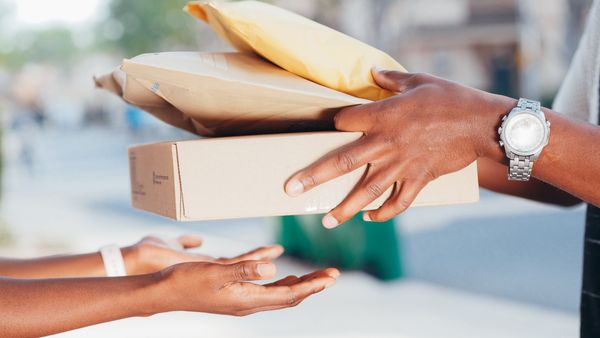
If you receive a package or “free” product you never ordered, it may be part of a brushing scam. In this scheme, shady sellers use your name and address to ship low-value items, then post fake “verified purchase” reviews to boost their online ratings. You usually don’t have to pay for unordered merchandise, but the package may be a warning sign that your personal information is exposed. Don’t scan any QR codes, don’t contact the sender, report the package to the retailer or delivery service, and check your accounts for suspicious activity.The holiday shopping season is officially up and running, and you’re probably waiting for your goodies to arrive. However, what happens if you receive a package you never ordered?
Key takeaways
- A brushing scam happens when sellers send unordered goods to real people so they can create fake verified-purchase reviews and manipulate online ratings.
- You can usually keep, donate, or discard unordered merchandise, but you should not pay for it, return it at your own cost, or contact unknown senders.
- Treat the package as a privacy warning: your name, address, phone number, or shopping account details may have been exposed or misused.
- Report the package to the retailer, delivery company, or consumer protection authority, and consider using tools like Bitdefender Digital Identity Protection to monitor whether your personal data appears in breaches or on the dark web.
What are brushing scams?
It’s easy to lose track of all the items when shopping online, but sometimes unsolicited boxes or merchandise you see at your door were not shipped to you by mistake.
They are part of a fraudulent scheme called a “brushing scam.” In brushing, a scammer finds your personal information (name and address) online and sends you goods or free merchandise you did not order.
Why? So they can sign up for accounts on various online platforms and post fake reviews in your name to falsely boost the ratings of the seller or online marketplace and thus increase sales of dubious products.
It’s also important to note that these actions are usually part of a large scam operation, and sending such unsolicited merchandise is illegal in many countries, including the US.
How do brushing scams work?
Online shops and sellers can make a hefty profit off positive reviews from customers, but so can dishonest individuals trying to peddle cheaply made products and fakes.
Here’s how the scammer operates:
- They first search for personally identifiable information for potential recipients such as names and home addresses. The fraudsters can find this information online, heading to a data broker website or through nefarious means such as perusing leak databases on the dark web
- Armed with this information, the scammers can then open accounts on their online store or marketplace and purchase their own merchandise which in return gives them a ‘verified’ seller account
- The goods are then sent to the home of an unsuspecting individual
- The scammers then write a fake review in your name that, in the long run, helps them increase sales for their low-quality merchandise
- Fraudsters can repeat this process indefinitely, making victims unwittingly participate in their illicit activities
Real life example of a brushing scam
Earlier this year, ABC7 Chicago reported about a brushing scam targeting one of its employees. According to the news outlet, one of its employees received a red box containing what appeared to be a piece of luxury jewelry from Cartier. The ring, which also came with a certificate of authentication, was never ordered by the recipient. The investigative team at ABC7 soon found that the employee was not the only one to find such luxury goods at her doorstep. Reports of mystery Cartier ring shipments were also found on social media platforms.
"It could be, like, a fake Burberry scarf sent to you; anything designer that shows up at your doorstep, beware," said Todd Kossow, Director of the FTC Midwest Region office in Chicago. “No one will ever send you real designer merchandise for free and the fake ring is part of what's known as a brushing scam.”
Three signs you may be the victim of a brushing scam
1. You receive merchandise you did not order
2. The package resembles legitimate retail branding but there is no proper return address or contact information on the package
3. Your name appears in reviews for products you did not buy
Can you keep an unsolicited package?
The answer is YES, but you have multiple options.
1. Keep the free gift or package
2. Dispose of it. If you opened the package and do not wish to keep it, you can throw it away.
3. Return it to the sender if the package is marked with the return address
We recommend that you never call the seller if you manage to find a phone number linked to the seller’s address since scammers might try to extract sensitive information from you.
Seven must Dos if you receive an unsolicited package you did not order
Who doesn’t like a freebie or gift? The reality is that if you receive such packages your personal information, identity and safety could be compromised.
Here’s what you can do
1. Never pay for unsolicited merchandise
2. Notify the e-commerce platform – if the unsolicited goods arrive via Amazon, eBay or other third-party sellers
3. File a fraud report and ask the company to check and remove any fake reviews that may have been given in your name
4. Notify local authorities if the package contains any suspicious contents
5. Monitor online and financial accounts for any suspicious activity
6. Change passwords for your online accounts and set up 2FA whenever available
7. Check if your personal information was exposed in a data breach or on the dark web. Use a digital identity protection tool to help you find out what the internet knows about you, find old accounts you no longer use, and sniff out potential social media impersonators
Want to keep track of all your online profiles, including the ones you created when privacy and data breaches weren’t a thing?
Try Bitdefender Digital Identity Protection, to take ownership of the digital you, get real-time data breach alerts and improve your privacy today!
Frequently asked questions (FAQs)
What is brushing scams?
A brushing scam is a fake-review scheme where a seller sends unordered products to real people, then uses their name or address to post fake “verified purchase” reviews online. The goal is to “brush up” the seller’s ratings, sales numbers, and marketplace visibility. The package may look harmless, but it can mean your personal information has been exposed or misused.
Why am I receiving packages that I didn’t order?
You may be receiving packages you didn’t order because a scammer or dishonest seller found your name and mailing address online, through a data breach, public records, a broker list, or a compromised shopping account. They send cheap items to your address so they can create fake verified reviews in your name and make their products look more popular. In some cases, unordered packages can also point to identity theft, account compromise, or increased scam/spam attempts.
What to do if you get a brushing package?
If you get a brushing package, don’t pay for it, don’t scan any QR codes, and don’t contact the sender using details inside the package. Report it to the online marketplace, retailer, delivery company, or postal authority, then check your shopping accounts for unknown orders, changed addresses, or suspicious reviews posted in your name. You can usually keep, donate, or throw away unordered merchandise, but you should treat the package as a warning to review your privacy and security. A tool like Bitdefender Digital Identity Protection can also help monitor whether your personal data appears in breaches or on the dark web.
tags
Author

Alina is a history buff passionate about cybersecurity and anything sci-fi, advocating Bitdefender technologies and solutions. She spends most of her time between her two feline friends and traveling.
View all postsYou might also like
Bookmarks
