What Is a Finsta and What Parents Should Do If Their Children Have One

February 12, 2025
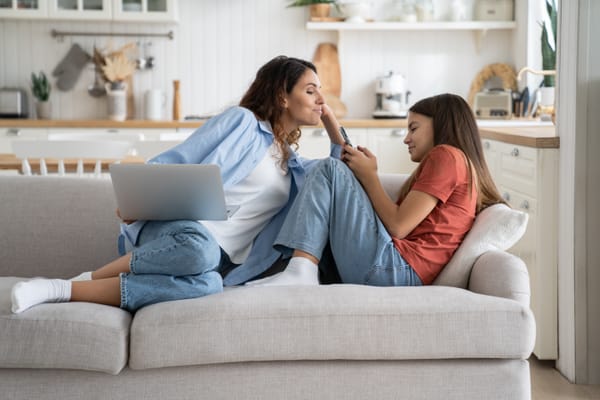
A Finsta (“fake Instagram”) is a secondary Instagram account that people—especially teens—use to share more personal or unfiltered content with a small group of friends. A Rinsta (“real Instagram”) is their main account, which is typically more polished and public. While having a second account isn’t inherently dangerous, Finstas can make it easier for teens to hide online activity from parents, interact with strangers, or share content they wouldn’t post publicly. Parents should encourage open conversations about social media, review privacy settings together, and help children understand what should never be shared online.
Key takeaways
- A Finsta is a private secondary Instagram account, while a Rinsta is the user’s main public-facing account.
- Many teens use Finstas to share content with close friends, but some also use them to hide activity from parents or bypass restrictions.
- Parents should discuss privacy, digital footprints, cyberbullying, and the risks of sharing personal or sensitive content—even on “private” accounts.
- Bitdefender Parental Control can help parents monitor app usage, encourage healthy digital habits, and create opportunities for conversations about online safety.
Have you ever heard your child mention the term "Finsta" and wondered what it's all about? If their explanation left you with more questions than answers, don't worry—you're not alone. Here's everything you need to know about Finstas, why kids use them, the potential risks, and how you can help keep your child safe online.
What Is a Finsta?
"Finsta" is short for "fake Instagram," but the name is a bit misleading. It's not a fake account in the sense of pretending to be someone else. Instead, a Finsta is a secondary Instagram account, often private, that a person creates alongside their main account ("Rinsta," or "real Instagram").
Finstas are typically more personal and informal. While a main account might have hundreds or even thousands of followers, a Finsta usually has a much smaller, carefully selected audience—close friends or trusted people. These accounts often feature candid photos, inside jokes, or posts that kids don't feel comfortable sharing with their entire social circle.
In short, while "real" social media profiles often showcase a curated and polished version of someone, their "finstas" reveal a more authentic side. Refinery29 reports that Even celebrities like Justin Bieber, Bella Hadid, and Ariana Grande are known to use finstas. It's easy to see why—these private accounts allow people to share content freely, away from the pressures of public scrutiny.
Related: What Parents Need to Know about Instagram
Why Do Kids Have Finstas?
Most of the reasons are tied to their need for privacy and self-expression. Here's why they're so popular:
- On a Finsta, kids feel less pressure to maintain the polished image of themselves.
- Finstas provide a space where kids can share without fear of criticism from acquaintances, extended family, or others who follow their main accounts.
- Teens often use Finstas as an outlet for humor, creativity, or venting feelings they might not want to broadcast widely.
How Kids Create Finstas
Here's how they do it:
Most kids avoid using their real names. Instead, they go for pseudonyms or random phrases to stay anonymous.
They choose like a cartoon, a meme, or an object to avoid anything that might identify them.
Set up the account by creating a new one and avoiding linking it to your primary Instagram account for added privacy.
They maintain anonymity and privacy of the account:
· Set to private, so only approved followers can see their posts.
· Avoid linking their phone numbers and use an email address instead.
· Skip linking the account to other social media platforms.
· Use fictional information.
· Avoid tagging locations or checking in to keep their whereabouts private.
Related: Kids Using Secret Decoy Apps: What Parents Need to Know About the Dangers
What Are the Risks of Having a Finsta as a child?
Despite the seemingly harmless nature of Finstas, they can come with risks:
- Inappropriate Content: With a smaller audience and less oversight, kids may feel freer to post content that's inappropriate or risky.
- Cyberbullying: Finstas can be used to target others or to post things that could harm friendships or reputations.
- Privacy Issues: Even private accounts aren't entirely secure. Screenshots or leaks can expose what was meant to stay private.
- Mental Health Impact: Balancing multiple social media accounts and curating content for both can increase stress and anxiety.
- Dangerous Connections: In some cases, kids might add people to their Finstas they don't know well, opening the door to potential online predators.
How to Tell If Your Child Has a Finsta and What You Can Do About It
If you're curious whether your child has a Finsta, there are ways to approach the topic and foster a constructive conversation. Here's how to identify signs and handle the situation effectively.
Spot the Signs
There are a few clues that might suggest your child has a private Instagram account:
- They spend a lot of time on Instagram but rarely post on their main profile.
- You hear them mention "spam accounts" or "private accounts" or see references to inside jokes or posts you can't find on their public page.
- Their follower list includes an unusual account with an alias that might be their Finsta.
- On Instagram, accounts can be switched without logging out. If you look at your child's profile and see an arrow next to their username, tapping it might reveal any other accounts they're using.
How to Approach the Topic
Start with an open, judgment-free conversation to help your child feel comfortable sharing.
- Ask directly but calmly: "I've heard about Finstas—do you have one? I'd like to understand why you feel you need a private account."
- Listen to their reasons without interrupting or jumping to conclusions. They may value their Finsta as a space for self-expression or sharing with close friends.
- Share your concerns in an understanding tone, especially about risks like privacy, cyberbullying, or inappropriate content.
Collaborate on Boundaries
If your child does have a Finsta, this can be an opportunity to set mutual boundaries together:
- Talk about who they add as followers and encourage them to keep the circle small and trustworthy.
- Discuss what kind of content is appropriate to post and remind them of the potential risks, even on private accounts.
Privacy and Safety Considerations
Not all Finstas are cause for concern. For many kids, they're a way to escape the pressures of public social media and express themselves more freely. However, if the account reflects troubling behavior or risky activities, it's important to address those issues directly.
Remember, even private accounts aren't entirely secure. Screenshots can be taken, posts can be shared without permission, and content can quickly spread beyond the intended audience. By staying involved and maintaining open communication, you can guide your child toward responsible social media use while supporting their need for privacy.
How to Protect Your Child
The more your child feels they can trust you, the more likely they are to share what they're doing online. Be approachable and open to their perspective.
- Follow their main account if they're comfortable with it.
- Have regular conversations about social media use and online safety.
- Explain how even private posts can become public.
- Discuss the importance of not sharing personal information or anything they wouldn't want widely seen.
Consider Bitdefender Parental Control, which helps you monitor social media activity, set internet time limits, and filter inappropriate content—all while respecting their need for privacy.
Frequently asked questions (FAQs)
What does a Finsta stand for?
Finsta is short for “fake Instagram.” It’s a secondary Instagram account that users—often teenagers—create alongside their main account, sometimes called a Rinsta (“real Instagram”). Unlike a public-facing profile, a Finsta is usually shared with a small group of trusted friends and is used for more casual, personal, or unfiltered posts.
What do girls use Finstas for?
Girls—and boys—often use Finstas to share everyday moments, inside jokes, memes, opinions, or photos they don’t want to post on their main Instagram account. While many Finstas are harmless, some teens use them to hide activity from parents, bypass restrictions, or share content they wouldn’t feel comfortable posting publicly. Parents should encourage open conversations about privacy, digital footprints, and responsible social media use.
Is there parental control on Instagram?
Yes. Instagram offers built-in parental supervision tools that let parents monitor how their teen uses the app, including time spent on Instagram and account settings, with the teen’s permission. Parents can also set time limits, encourage private accounts, and discuss safe online behavior. For additional oversight across multiple apps and devices, Bitdefender Parental Control can help families manage screen time and support safer digital habits.
tags
Author

Cristina Popov is a Denmark-based content creator and small business owner who has been writing for Bitdefender since 2017, making cybersecurity feel more human and less overwhelming.
View all postsYou might also like
Bookmarks
