Should you use parental controls during school holidays?

August 17, 2026
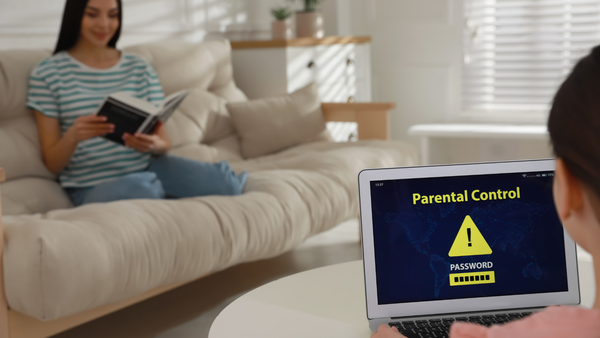
School holidays usually mean more free time, fewer routines, sleepovers, travel, and often more time spent on phones, tablets, gaming, and social media. Whether it's summer, winter, or another school break, many parents find themselves asking the same question: Should they relax digital rules or keep the same boundaries they have during the school year?
According to clinical psychologist and cognitive behavioral psychotherapist Anca Ivu, a little more flexibility is perfectly normal. But how much flexibility is too much?
Here's how to relax digital rules without undoing the healthy habits you've built throughout the school year.
Key takeaways
- It's normal for children to spend slightly more time on screens during school holidays.
- Parents can relax some rules without removing all digital boundaries.
- Healthy holidays should still include sleep, outdoor play, family time, movement, and boredom.
- Unlimited screen time can make returning to school routines more difficult.
- Parental controls can help families enforce agreed-upon rules with less conflict.
Is it ok for children to have more screen time during school holidays?
The short answer is yes.
When school is out, routines naturally change. Children aren't spending hours in the classroom, they often have fewer structured activities, and technology becomes one of the ways they relax, socialize, and entertain themselves.
"It's normal for screen time to increase a little during school holidays," says Anca Ivu. "Technology is part of children's lives and one of the ways they relax, communicate, and have fun."
The important question isn't whether your child spends an extra hour on their tablet one afternoon. It's whether screens are gradually replacing everything else. As Anca explains, flexibility means adapting family rules to a different routine, not abandoning them altogether. "If a child wakes up and immediately reaches for their phone, gives up outdoor play, avoids spending time with friends or family, and chooses to stay online instead, that's a clear sign the balance has been lost."
Rather than counting every minute of screen time, parents may benefit more from looking at the bigger picture: do their children still have enough time for quality sleep, physical activity, outdoor play, reading, family time and friendships?
If the answer is yes, there's usually room for some extra flexibility during the holidays.
One simple strategy is to let screen time happen after the important offline parts of the day, such as going outside, playing sports, reading, helping around the house, or spending time together as a family.
Related: Is your child addicted to screens? What parents should watch for, according to a therapist
Why parents shouldn't feel guilty about setting digital boundaries
Many parents feel guilty about limiting screen time during school holidays. After all, it's a break from school. Shouldn't children be allowed to relax?
According to Anca Ivu, guilt itself isn't the problem. What's more important is understanding where that guilt comes from.
"If I feel guilty because I tell my child they've had enough screen time for the day, it's worth looking at the thought behind that feeling. Am I really being too strict or am I comparing myself to other parents?" she says.
It's easy to look at social media or hear that "everyone else's kids are allowed unlimited screen time" and start questioning your own decisions. But every family has different values, routines, and needs. There isn't one perfect number of screen hours that works for every child.
Instead of comparing yourself to other families, pay attention to how your own child responds to screentime. Anca also points out that many parents mistake their child's frustration for proof they've made the wrong decision.
"One of the hardest parts of parenting is staying calm and consistent while your child is upset. But a child's disappointment doesn't automatically mean the boundary is unhealthy. Sometimes it means the child is learning to tolerate frustration, an important life skill."
Children won't always like digital limits, especially during holidays. That doesn't mean those limits are unnecessary.
Related: Your Child Says “I’m Bored” After Screen Time? Here’s How to Respond
What happens when children have unlimited screen time?
A little extra flexibility is one thing. Removing every digital boundary for weeks is something else entirely. Without predictable limits, screen time often grows gradually until it starts replacing sleep, physical activity, family time, hobbies, and face-to-face friendships.
This happens for a simple reason: children are still developing the self-control needed to regulate their own screen use.
"No child naturally says, 'I've been on my phone long enough, I'll stop now.' Executive functions like impulse control and delaying gratification are still developing, so the limits set by parents become an external support for skills children are still building," explains Anca.
There's another reason psychologists recommend keeping some limits in place.
Many games, apps, and social media platforms are intentionally designed to keep users engaged with constant rewards, notifications, and endless content. After spending hours in that highly stimulating environment, quieter activities like reading, building something, or even playing outside may seem less exciting.
That doesn't mean children suddenly stop enjoying those activities. It means their brains have become accustomed to a faster pace of stimulation.
Unlimited screen time can also make returning to school routines much more difficult.
"Children adapt quickly to greater freedom. When school starts again and limits return, they naturally experience that change as a loss, which often leads to resistance and conflict," Anca says.
Keeping a few familiar routines throughout the holidays can make that transition much smoother.
Related: How to set screen time rules with grandparents, babysitters, and nannies
Which holiday rules can you relax and which should stay?
Not every rule has to stay exactly the same during the holidays. Some can become more flexible, while others are worth keeping all year round.
For example, many families choose to allow:
- an extra gaming session after outdoor activities
- later bedtimes on special occasions
- family movie nights
- more time chatting with friends online
At the same time, some boundaries are worth keeping all year round.
These include:
- device-free meals
- no phones or tablets right before bedtime
- age-appropriate content filters
- app download approvals
- time for outdoor play and physical activity every day
- regular family time away from screens
As Anca puts it, the goal is simple:
"Technology should be part of the holiday, not the thing that organizes the entire holiday."
Related: 10 Screen Time Rules Every Parent Should Set for a Healthy Digital Balance
How parental controls can help without making holidays feel restrictive
Parental controls are a way to support the family rules you've already agreed on. Instead of constantly reminding children to put their devices away, parents can automate some of those boundaries. Depending on your child's age, parental controls can help you:
· schedule downtime for bedtime
· set reasonable daily app limits
· filter inappropriate websites and content
· approve new app downloads
· encourage a healthier balance between online and offline activities
Used this way, parental controls become less about restriction and more about consistency. Children know what to expect, parents spend less time negotiating, and everyone enjoys the holidays a little more.
You can have Bitdefender Parental Control as part of a Bitdefender Family Plan, making it easy to manage your children's digital habits while protecting every member of your household. Beyond helping parents set healthy internet time boundaries, a Bitdefender Family Plan safeguards your family's devices, privacy, and online accounts against a wide range of digital threats, from phishing attacks, scams, and malicious websites to fake apps, identity theft, and emerging cyber threats. It also includes Premium VPN, giving your family a trusted way to browse securely on public Wi-Fi and protect their online privacy wherever the holidays take them.
You can explore how a family protection plan works, here.
FAQs
Is it OK to relax screen time rules during school holidays?
Yes. School holidays are a good time to be more flexible with screen time, but experts recommend keeping some digital boundaries in place. Children still benefit from healthy routines, outdoor play, family time, and adequate sleep, even when school is out.
Should children have more screen time during school holidays?
Many children naturally spend more time on devices during school holidays because their routines change. The key is making sure screen time doesn't replace physical activity, social interactions, hobbies, or other important offline experiences.
Should I keep parental controls on during school holidays?
In most cases, yes. You may choose to adjust time limits or schedules, but parental controls can still help manage content, app downloads, bedtime routines, and other digital boundaries while giving children more freedom.
Can too much screen time during school holidays affect children?
Excessive screen time may interfere with sleep, physical activity, family time, and face-to-face friendships. It can also make the transition back to school routines more challenging after the holidays.
How can I reduce screen time during school holidays without arguments?
Instead of focusing only on screen time limits, encourage a healthy balance by making outdoor activities, family time, sports, reading, or creative play part of the daily routine. Clear expectations and consistent rules can also reduce conflict.
What digital rules should families keep during school holidays?
Many experts recommend keeping a few core rules year-round, such as device-free meals, screen-free time before bed, age-appropriate content filters, and reasonable boundaries around social media and gaming.
At what age should parents stop using parental controls?
There isn't a specific age. As children mature and demonstrate responsible online behavior, parents can gradually give them more independence while continuing to have regular conversations about digital safety.
How can parents help children balance screen time and offline activities during school holidays?
One simple approach is to make sure important offline activities—such as outdoor play, exercise, reading, family time, or responsibilities—come before recreational screen time. This helps technology remain part of the holiday without becoming the focus of it.
tags
Author

Cristina Popov is a Denmark-based content creator and small business owner who has been writing for Bitdefender since 2017, making cybersecurity feel more human and less overwhelming.
View all postsYou might also like
Bookmarks
