The muse scam: How fake artists trick people on Instagram
June 18, 2026
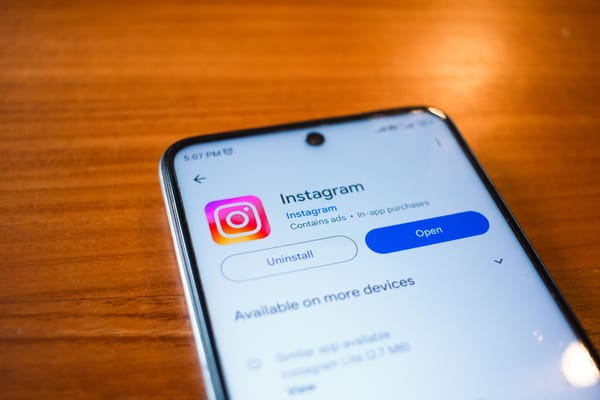
Scammers don't just pretend to be soul mates, celebrities, or successful entrepreneurs. Sometimes, they put on an artist's hat, too.
Key takeaways:
- The Muse Scam often begins with a message from someone claiming to be an artist who wants to use your photo in an artwork.
- Scammers typically send a fake check and ask victims to send part of the money back.
- Even if a check appears in your account, it may still be fraudulent and later reversed by the bank.
- Students and young adults are common targets because scammers exploit financial pressure and exciting opportunities.
- Never send money to someone who paid you with a check, especially if they ask you to forward part of the funds.
- If you're unsure whether a message is legitimate, verify it before responding or sending money.
Real-life story
“As a broke college student, I was so in need of money that I fell for the Muse Scam. I got an Instagram DM saying they wanted to use my profile picture for an art project and that they would pay me $300 and credit me for the artwork,” the student wrote on Reddit.
The student agreed and shared their phone number and email address so payment could be sent.
Soon after, the student received a digital check for $400 instead of the promised $300. The sender explained that part of the money needed to be forwarded to another person involved in the project for art supplies. The student deposited the check and sent $200 as instructed. Only afterward did they realize the check was fake.
Known as the Muse Scam, this scheme typically begins with a flattering message on social media and ends with victims losing real money.
Related: TikTok Job Scams Promise ‘Easy Money.’ How to Stay Safe.
What is the muse scam?
The Muse Scam is a type of fake payment scam where someone contacts you online and claims they want to use your photo, face, or profile picture as inspiration for an artwork.
The scammer may say they are a painter, illustrator, student artist, muralist, or creative professional. They ask for permission to use your photo in a project and offer to pay for it.
The scam then turns into a fake check scheme. The scammer sends more money than promised and asks you to send part of it back for supplies, materials, fees, or another made-up reason.
The problem is that the check is fake. Even if it appears in your bank account at first, it can still bounce later. When that happens, the bank removes the money from your account, but the money you sent to the scammer is already gone.
Why does a fake check appear in your bank account?
Victims of the overpayment scams say often the same thing: the check appeared in their account, so they assumed it had cleared. In reality, banks often make funds available before a check has been fully verified. This can happen with paper checks, mobile deposits, and eChecks.
An eCheck, or electronic check, is a digital version of a traditional paper check. Legitimate businesses use them, but scammers also exploit the fact that many people are unfamiliar with how they work. Just because money appears in your account does not mean the payment is genuine. It can take days or even weeks for a bank to determine that a check is fraudulent. When that happens, the deposit is reversed and the money disappears from your account.
Any money you sent to the scammer in the meantime comes from your own funds, which is why victims often end up losing real money even though they never intended to spend any of their own.
Related: Australian authorities warn of rising money mule scams targeting students
Red flags that should immediately make you suspicious
Be cautious if someone you do not know contacts you online and offers money for your photo.
You should also be suspicious if the person sends more money than agreed. This is often the setup for the next part of the scam.
Another warning sign is a digital check from someone you have never met. Many people do not realize that a check can appear in their account before the bank has fully verified it.
Also be careful if the person pressures you to act quickly, move the conversation away from the original platform, or send money through payment apps, gift cards, cryptocurrency, wire transfers, or another hard-to-reverse payment method.
Finally, watch how they react when you ask questions. Scammers often become pushy, emotional, angry, or threatening when you hesitate.
Related: Instagram scams in 2026 - How to spot, stop & protect against every major threat
What to do if you fell for the muse scam
If you realize you may have fallen for the Muse Scam:
• Stop communicating with the person immediately.
• Do not send more money, even if they threaten you.
• Contact your bank as soon as possible. Explain what happened and ask them to lock or monitor your account if needed. If you deposited a fake check, tell the bank immediately.
• Save screenshots of the messages, payment details, usernames, phone numbers, email addresses, and any threats. This information may help when you report the scam.
• Report the account on Instagram or the platform where the conversation started. You can also report the scam to the relevant fraud reporting service in your country.
• If you shared personal information, change your passwords and monitor your accounts for suspicious activity. Be especially careful with follow-up messages, as scammers sometimes return pretending they can help you recover your money.
How to check if a message is a scam
If you fell for a scam, try not to blame yourself. Instead, promise yourself you'll check next time. Scams are built around trust, pressure, and timing, and they often target people who need money or want to believe in an opportunity.
If you receive a suspicious message through social media, email, SMS, WhatsApp, Instagram, Facebook, or another platform, Bitdefender Scamio can help. Just paste the message, screenshot, or link to get a quick assessment of whether it may be part of a scam.
FAQs
What is the Muse Scam on Instagram?
The Muse Scam is a type of fake payment scam where someone contacts you on Instagram or another social media platform claiming they want to use your photo for an artwork. They offer to pay you, send a fake check, and then ask you to send part of the money back. Once the check is discovered to be fraudulent, the victim loses the money they sent.
How does the Muse Scam work?
The scam usually starts with a message from someone claiming to be an artist. They offer to pay for permission to use your photo, then send a check for more than the agreed amount and ask you to forward part of the money to someone else. The check later bounces, leaving you responsible for the lost funds.
What is an eCheck scam?
An eCheck scam involves a fraudulent electronic check that appears to deposit successfully into your account. Victims are often asked to send money before the bank discovers the check is fake and reverses the deposit.
Why did the fake check appear in my bank account?
Banks often make funds available before a check has been fully verified. This does not mean the check is legitimate. It can take days or even weeks for a bank to determine that a check is fraudulent and remove the funds from your account.
What should I do if I deposited a fake check?
Contact your bank immediately and explain what happened. Stop communicating with the scammer, save all messages and payment records, and report the account to the platform where the scam began.
Is the Muse Scam only on Instagram?
No. While many victims report being contacted through Instagram, scammers can also use Facebook, TikTok, X, WhatsApp, email, and other platforms. The scam follows the same pattern: a flattering message, a payment offer, a fake check, and a request to send money back.
Can I get my money back after a scam?
Recovery depends on the circumstances and your bank's policies. Contact your bank as soon as possible and report the fraud. The sooner you act, the better your chances of limiting the financial damage.
tags
Author
Cristina Popov is a Denmark-based content creator and small business owner who has been writing for Bitdefender since 2017, making cybersecurity feel more human and less overwhelming.
View all postsYou might also like
Bookmarks
