India pauses WhatsApp username feature over security concerns

July 03, 2026
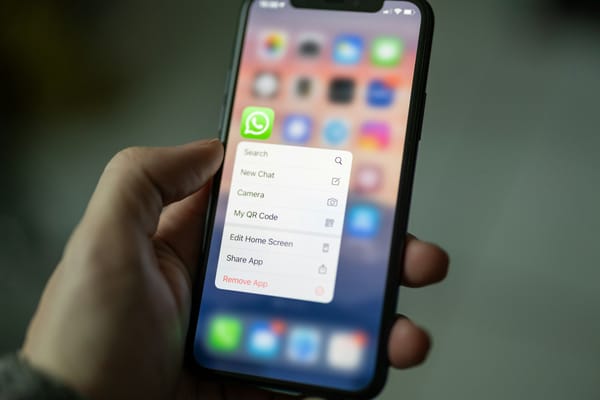
India has asked WhatsApp to suspend the rollout of its upcoming username feature while regulators assess whether it could increase phishing, impersonation, and online fraud. The issue is delicate for WhatsApp, as usernames were supposed to give people more privacy. However, India says the feature could also give scammers more room to operate.
Key takeaways
- India has directed WhatsApp to pause its username rollout pending regulatory consultations
- Officials argue usernames could facilitate phishing, impersonation, and cyber fraud
- WhatsApp says anti-abuse safeguards are built into the feature
- The dispute reflects regulatory pressure on encrypted messaging platforms
India puts WhatsApp’s new feature under the microscope
India has instructed WhatsApp to halt the domestic rollout of its planned username system and explain how the feature will prevent abuse. Authorities believe allowing conversations without exposing phone numbers could make it harder to identify malicious actors behind phishing campaigns, impersonation attempts, and financial scams.
The order temporarily blocks deployment in WhatsApp’s largest market, where the platform serves more than 500 million users. India worries the feature could make it easier for scammers to contact people without revealing a phone number.
WhatsApp defends privacy-first design
Meta maintains the WhatsApp username feature is intended to improve privacy by reducing the need to share personal phone numbers. According to the company, users will still need a verified phone number to create an account, usernames will not be searchable, and first-time contacts must know an exact username before initiating conversations.
Additional protections include limits on unsolicited messaging, automated abuse detection, and reserved usernames for prominent public figures to reduce impersonation risks.
While hiding phone numbers can improve privacy, any new identity system can become a target for scammers if identity verification and anti-abuse controls are lax.
A wider debate over privacy and cybercrime
The dispute extends beyond WhatsApp. Indian regulators have reportedly begun examining similar username-based features on other encrypted messaging services, reflecting wider concerns over traceability and digital fraud.
Civil liberties advocates, meanwhile, argue governments should avoid approving or rejecting product features before launch, warning that such oversight could limit innovation and privacy protections.
Stay safer from messaging scams
Scammers often start with a message, link or fake identity. Bitdefender Scamio can help check suspicious WhatsApp messages, links and QR codes before you engage, while Bitdefender Digital Identity Protection monitors exposed personal data and leaked credentials that criminals may use for impersonation. For broader protection, Bitdefender Ultimate Security brings scam protection, password management, VPN privacy and identity monitoring into a single package.
tags
Author

Vlad's love for technology and writing created rich soil for his interest in cybersecurity to sprout into a full-on passion. Before becoming a Security Analyst, he covered tech and security topics.
View all postsYou might also like
Bookmarks
