Does a VPN protect you from hackers?

July 08, 2026
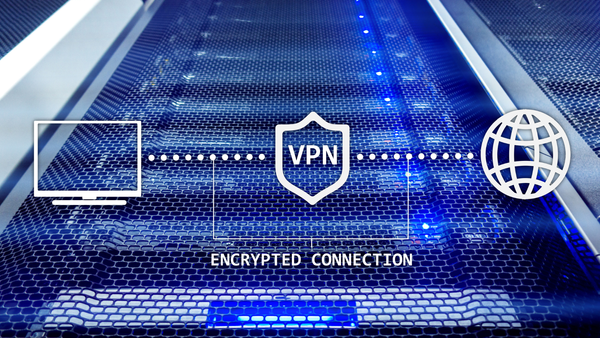
Many people use a VPN to stay safe online, but can it actually protect you from hackers? The answer is yes, to a point. Here's what a VPN can and can't do to help keep you safe online.
Key takeaways:
- A VPN encrypts your internet connection, making it much harder for hackers to intercept your data.
- VPNs offer the most protection when you're connected to public Wi-Fi or other untrusted networks.
- A VPN can help reduce the risk of certain attacks, such as man-in-the-middle attacks.
- A VPN can't stop phishing, malware, or hackers who steal your passwords.
- The best protection comes from combining a VPN with good cybersecurity habits.
Does a VPN protect you from hackers?
The short answer is yes, but only against certain types of attacks.
A VPN (Virtual Private Network) protects the data traveling between your device and the internet by encrypting it. This makes it much more difficult for someone else to intercept or read your online activity, especially when you're connected to public Wi-Fi.
However, a VPN isn't a magic shield against every cyber threat out there. For example, it won't stop you from clicking a phishing link, giving away your information to a scammer, downloading malware, or using a weak password.
Think of a VPN as one layer of your online security. It's an important one, but it works best alongside other protections like strong passwords, multi-factor authentication, and security software.
Related: What Is a Mobile Hotspot and Is It Safe from Hackers?
How does a VPN protect you from hackers?
A VPN creates an encrypted tunnel between your device and the VPN server. Everything you send and receive online travels through this secure connection.
Without a VPN, your internet traffic may be visible to your internet provider or to attackers who manage to intercept your connection, especially on unsecured networks.
With a VPN enabled:
- Your internet traffic is encrypted.
- Your IP address is hidden from the websites you visit.
- Your activity becomes much harder for others on the same network to monitor.
- Anyone intercepting your traffic would only see encrypted data instead of readable information.
Related: Can your ISP see your browsing without a VPN? What they track
When does a VPN actually help against hackers?
1. When you're using public Wi-Fi
Public Wi-Fi is one of the biggest reasons to use a VPN.
Whether you're in a coffee shop, hotel, airport, or library, you usually have no way of knowing who else is connected to the same network, or whether the network itself has been secured properly.
Without encryption, attackers may try to intercept data traveling across the network.
2. During man-in-the-middle attacks
In a man-in-the-middle (MITM) attack, a cybercriminal secretly positions themselves between you and the website or service you're trying to access.
Their goal is to intercept or alter the information being exchanged.
Because a VPN encrypts your traffic before it leaves your device, it makes these attacks much more difficult to carry out successfully.
3. When someone is trying to snoop on your network traffic
Cybercriminals sometimes monitor unsecured networks looking for sensitive information.
A VPN prevents them from easily seeing what you're doing online, such as the websites you visit or the data you're sending.
Related: Is my VPN working? 7 easy tests to see if it works
What doesn't a VPN protect you from?
This is where many people have unrealistic expectations.
A VPN doesn’t protect you against:
Phishing attacks. If you receive a convincing email pretending to be your bank and willingly enter your password on a fake website, a VPN can't stop that. The connection is encrypted, but you're still sending your information to the scammer.
Malware. A VPN doesn't scan files or block malicious software. If you download an infected attachment or install a fake app, the VPN won't prevent malware from running on your device.
Stolen or weak passwords. If your password is exposed in a data breach or is easy to guess, a VPN won't stop someone from logging into your account. Strong, unique passwords and multi-factor authentication are still essential.
Software vulnerabilities. Hackers often exploit security flaws in outdated operating systems or apps. A VPN doesn't fix these vulnerabilities, which is why installing updates remains one of the easiest and most effective ways to stay protected.
Social engineering. Many cyberattacks don't involve sophisticated hacking at all. Instead, criminals manipulate people into giving away sensitive information through fake phone calls, text messages, emails, or social media messages. A VPN can't protect you from being tricked into sharing information voluntarily.
Related: Are free VPNs really safe to use?
Does a VPN hide your IP address from hackers?
Yes, in most situations.
Instead of seeing your real IP address, websites and online services see the IP address of the VPN server you're connected to. However, a VPN doesn't make you anonymous. If you log into your email, social media accounts, or online banking, those services still know who you are.
Related: IP spoofing: What it is, how it works & how to prevent it
Is a VPN enough to stay safe online?
A VPN works best as part of a broader cybersecurity strategy.
For better protection, combine it with these habits:
- Keep your operating system and apps updated.
- Use strong, unique passwords for every account.
- Enable multi-factor authentication whenever it's available.
- Install reputable security software.
- Be cautious when opening links or attachments in unexpected emails and messages.
- Download apps only from trusted sources.
Each of these layers helps reduce a different type of risk.
If online privacy and security are important to you, choosing a trusted VPN is one simple way to better protect your internet connection and personal data.
Bitdefender Premium VPN uses strong encryption to protect your internet traffic and includes features such as DNS leak protection and a Kill Switch to help prevent accidental exposure if the VPN connection drops. With servers in locations worldwide and a strict no-traffic-logging policy, it helps keep your browsing activity private across Windows, Mac, Android, and iOS devices.
Get Bitdefender Premium VPN and take control of your online privacy.
FAQs
Can hackers see my internet activity if I use a VPN?
A VPN encrypts your internet traffic, making it extremely difficult for hackers on the same network to see what you're doing online. However, if your device is already infected with malware, attackers may still be able to steal information directly from it.
Can a VPN prevent my accounts from being hacked?
Not by itself. A VPN protects your internet connection, but it can't stop hackers from accessing your accounts using stolen passwords or phishing attacks. Strong passwords and multi-factor authentication remain essential.
Should I use a VPN at home?
Your home Wi-Fi is generally safer than public Wi-Fi if it's properly secured, but a VPN can still provide additional privacy by encrypting your internet traffic and hiding your IP address from the websites you visit.
Does a VPN protect mobile phones from hackers?
Yes, a VPN encrypts internet traffic on smartphones just as it does on computers. It's especially useful when connecting to public Wi-Fi while traveling, working remotely, or using your phone in cafés, hotels, or airports.
Can hackers break VPN encryption?
Modern VPNs use strong encryption that is considered extremely difficult to break with current technology. Rather than attacking the encryption itself, cybercriminals usually target people through phishing, malware, stolen passwords, or software vulnerabilities.
Does a VPN stop hackers on public Wi-Fi?
A VPN significantly reduces the risk of hackers intercepting your internet traffic on public Wi-Fi by encrypting your connection. While it can't stop every type of cyberattack, it makes it much harder for someone on the same network to read your data.
tags
Author

Cristina Popov is a Denmark-based content creator and small business owner who has been writing for Bitdefender since 2017, making cybersecurity feel more human and less overwhelming.
View all postsYou might also like
Bookmarks
