Beware of the ‘Elon Musk Golden Badges’ Scam: A Fraudulent ‘Investment’ Scheme Targeting Users On Telegram

January 13, 2025
The “Elon Musk Golden Badges” scam is a fake investment scheme that uses Elon Musk’s name, fabricated endorsements, Telegram groups, and promises of huge returns to trick people into sending money or personal information. Scammers present the offer as an exclusive opportunity, but the tactics are familiar: celebrity impersonation, unrealistic profits, urgency, confusing terms, and pressure to invest before checking whether the offer is real. Elon Musk is not giving out “golden badges,” guaranteed crypto profits, or private Telegram investment opportunities. If you see this type of offer, don’t pay, don’t share personal details, report the account or website, and verify suspicious messages with a scam-checking tool before engaging.
Key takeaways
- The “Elon Musk Golden Badges” scam is a fraudulent investment scheme that abuses Elon Musk’s name and popularity to make fake offers look legitimate.
- Scammers often use Telegram, fake websites, fake testimonials, and high-pressure sales tactics to push victims into sending money or personal data.
- Major red flags include guaranteed returns, celebrity endorsements, exclusive “limited-time” offers, crypto payments, complex terms, and requests for personal or financial information.
- Don’t invest through links from social media or Telegram messages. Report suspicious accounts and use Bitdefender Scamio to check questionable investment offers, links, screenshots, or messages before responding.
When it comes to investment scams, nothing lures potential victims more effectively than a get-rich-quick scheme supposedly endorsed by trustworthy public figures like billionaire Elon Musk.
The latest example is the "Elon Musk Golden Badges" scam—a sophisticated operation designed to deceive users out of their hard-earned money through false high-return promises and fake endorsements.
Bitdefender researcher Andrei Anton-Aanei spotted the scam last week.
What’s It All About?
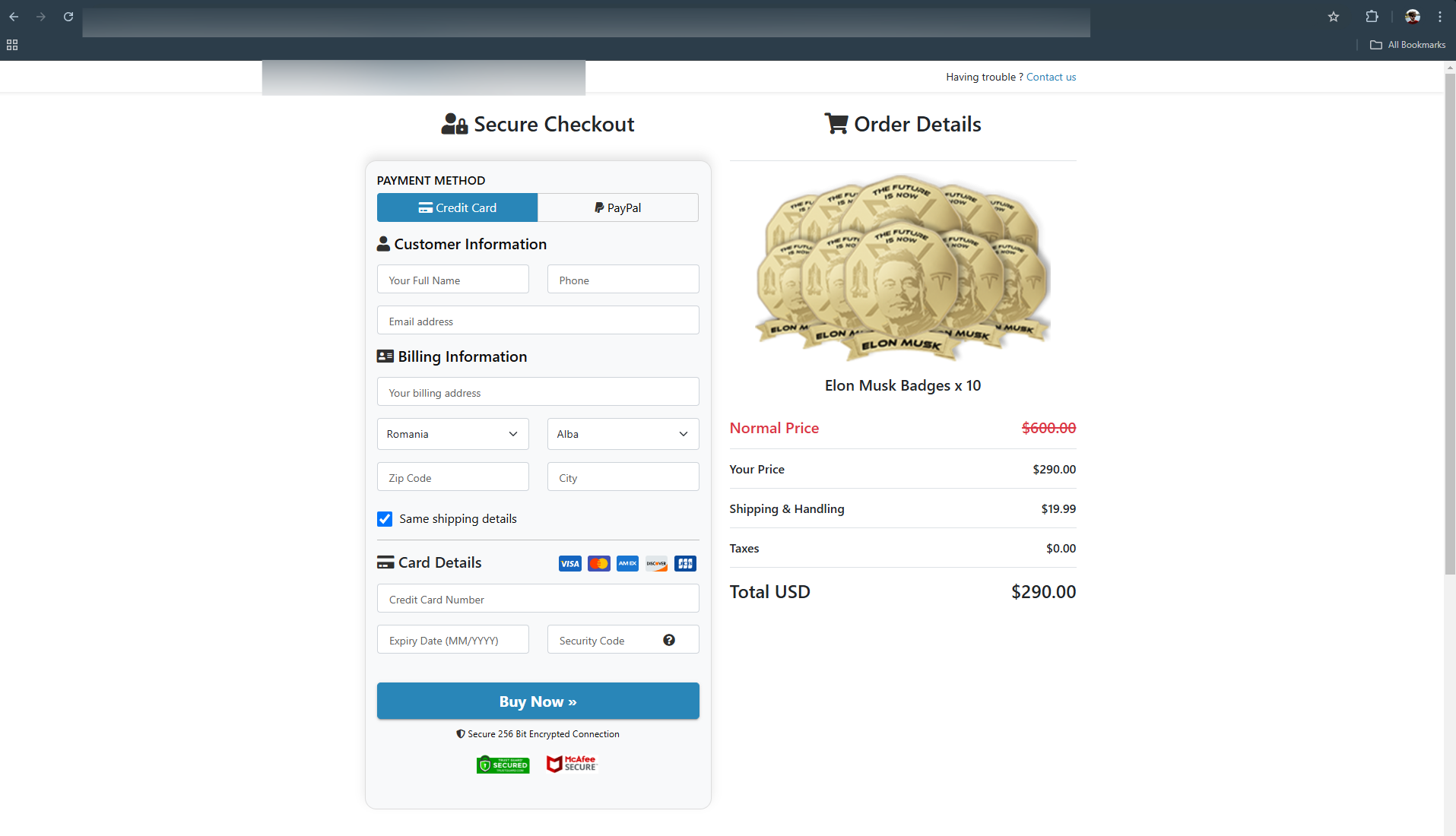
The scam centers on a fake investment opportunity involving "Elon Musk Golden Badges," marketed as rare collectible coins. Victims are lured into purchasing these badges with the promise of astronomical returns—$2 million for an initial "investment" of $290. Fraudsters falsely claim that prominent figures like Elon Musk and even Bank of America CEO Brian Moynihan endorse the scheme.
The Telegram Connection
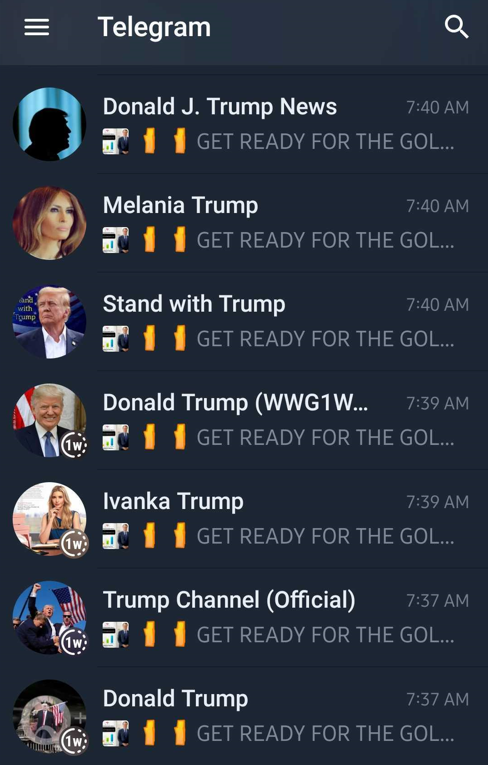
This scam relies heavily on Telegram to spread its message. Fraudsters have set up fake channels impersonating Donald Trump, his family, and other public figures. These channels bombard users with promotional messages, often with patriotic appeals and a false sense of urgency.
One particularly misleading message reads:
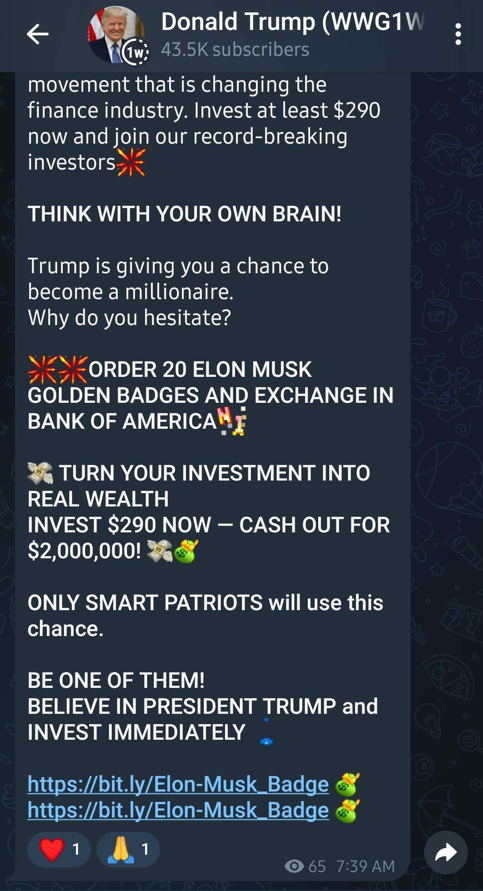
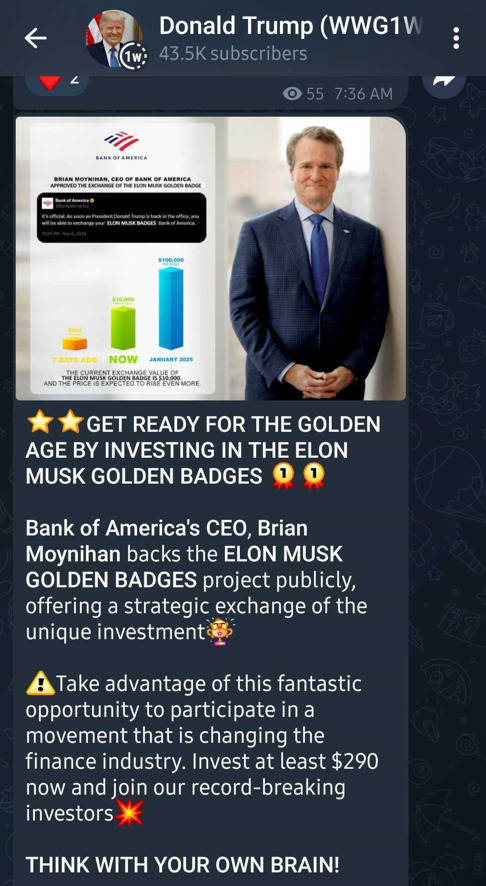
"GET READY FOR THE GOLDEN AGE BY INVESTING IN THE ELON MUSK GOLDEN BADGES. Bank of America's CEO, Brian Moynihan backs the ELON MUSK GOLDEN BADGES project publicly, offering a strategic exchange of the unique investment. Invest $290 now—cash out for $2,000,000! ONLY SMART PATRIOTS will use this chance. BELIEVE IN PRESIDENT TRUMP and INVEST IMMEDIATELY."
Adding to the confusion, the scammers frequently mix up details about their offerings. For example, while some messages advertise Elon Musk badges, others refer to "Trump Golden Eagles" or even "Trump Coins." This lack of consistency highlights the opportunistic nature of the fraudsters.
The Phony Website
The scam operates through a professional-looking website that mimics a legitimate e-commerce platform.
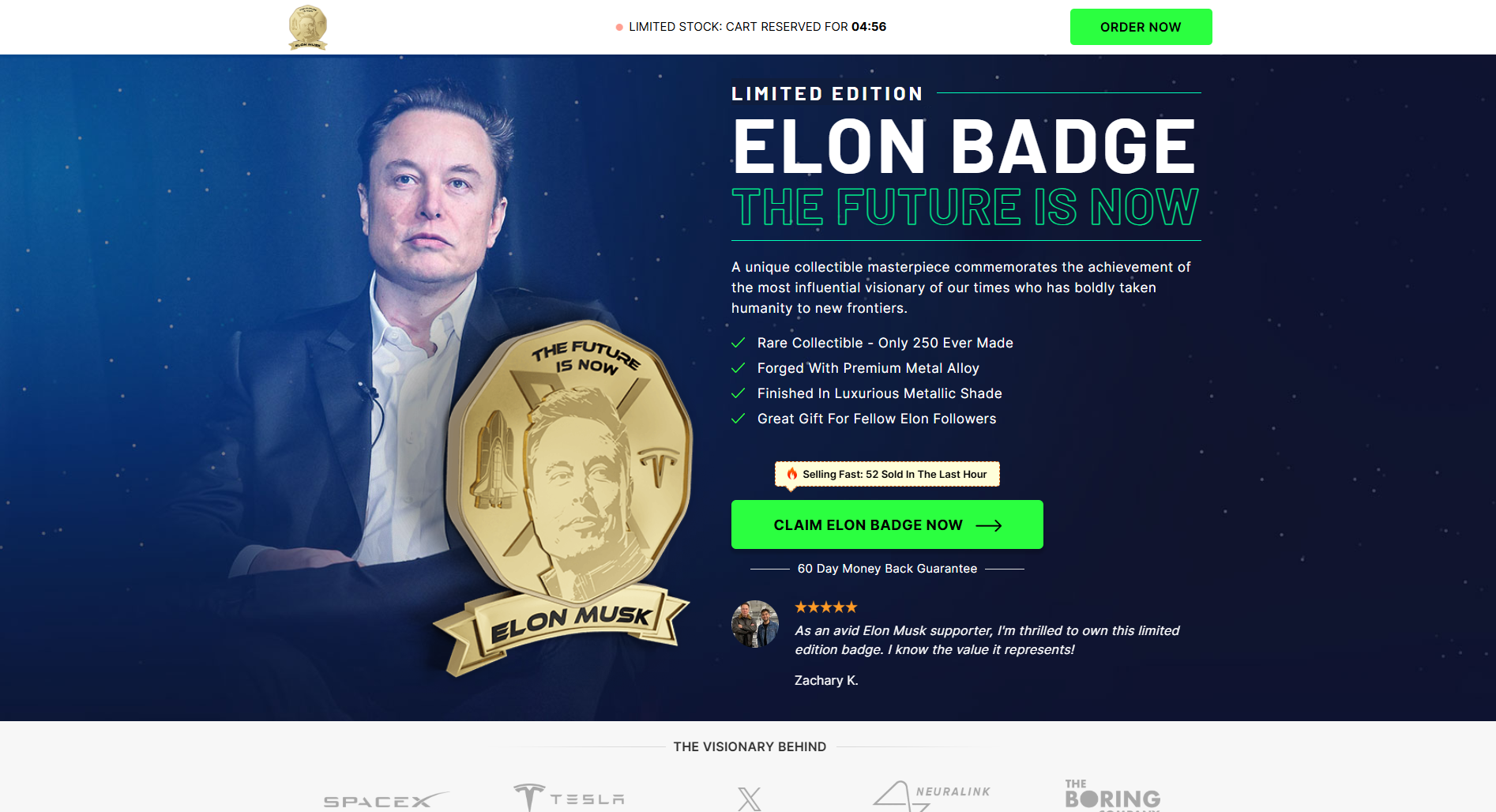
Interestingly, while the scam's website goes to great lengths to falsely claim endorsements from Elon Musk and other notable figures, it also buries a disclaimer within its pages:
"ElonBadge.com is not affiliated with Elon Musk or any of his companies. This product is an unofficial commemorative item for novelty purposes only. This product does not hold monetary value and is not intended to be used as legal tender or currency."
The disclaimer also explicitly states:
"The information provided on this website is for general informational purposes only and should not be construed as official statements, endorsements, or representations from Elon Musk or any associated entities."
This disclaimer directly contradicts the grandiose claims plastered all over the site and in the Telegram messages promoting the badges. While it may seem like an attempt to avoid legal repercussions, it underscores the scam's duplicitous nature. On one hand, the website entices users with promises of wealth and legitimacy; on the other, it absolves itself of responsibility for the fraudulent claims.
The disclaimer gives them a superficial shield to argue that buyers were informed the product had no monetary value. However, this doesn't change the fact that the promotional messages and the website's design are crafted to deceive.
The website features a "secure checkout" page and claims a "60-day money-back guarantee," all designed to make the operation appear trustworthy. However, the checkout page mentions suspicious disclaimers, such as purchases appearing under the platform's name, and avoids responsibility for financial losses.
Additional major red flags regarding the platform's dubious nature can be seen in the website's "Terms and Conditions." Although lengthy and formal in appearance, it includes numerous clauses and disclaimers designed to protect the operation while providing limited recourse for victims.
Here are some that stood out:
- Refund Policy: The website promises a "60-day money-back guarantee," but vague terms surrounding returns allow scammers to deny refunds easily. The absence of a clear refund process further complicates matters.
- Arbitration and Class Action Waivers: By requiring buyers to waive their rights to a jury trial or class-action lawsuit, the terms limit victims' ability to seek collective legal action.
- No Guarantees on Website Functionality: Despite presenting itself as a professional e-commerce platform, the site disclaims any warranties about its security or freedom from errors.
- Limitation of Liability: The terms cap the scammers' liability to the purchase price, ensuring that victims cannot claim compensation for losses beyond the original payment.
This scam is the latest iteration of a long-running scheme. Fraudsters behind this operation have previously promoted:
- Trump Coin
- Trump Golden Sticker
- Trump Golden Eagle
Each rebranding attempts to capitalize on trending topics or figures to lure new victims, but the underlying tactics remain the same—fake endorsements, promises of massive returns, and high-pressure sales tactics.
Victims who fall for the scam risk financial loss and personal data theft.
How to Spot and Avoid Similar Scams
1. Read Terms and Conditions Carefully: If a website's terms are unusually complex, vague, or contradictory, treat it as a red flag.
- Use Scam-Detection Tools: Bitdefender Scamio, our FREE scam-busting chatbot helps you detect and avoid scams across multiple online platforms.
- Verify Links: With Bitdefender Link Checker, you can safely analyze links shared on social media or messaging platforms. This tool provides instant feedback on whether a URL is safe to visit.
- Check Domain Age: Use tools to determine when a website domain was registered. New domains are a red flag.
- Be Skeptical of Pressure Tactics: Scammers often create a sense of urgency to prevent victims from thinking critically.
- Research Before Investing: Look for independent reviews and verify claims on official channels.
If you encounter this scam, report it to your local cybercrime authority or use platforms like the FTC's ReportFraud and the BBB to submit a complaint. Additionally, block and report the fraudulent Telegram channels promoting these schemes.
Frequently asked questions (FAQs)
Is Elon Musk’s Twitter account real?
Yes, Elon Musk’s real account on X, formerly Twitter, is @elonmusk. However, scammers often create fake Elon Musk accounts, hacked profiles, lookalike handles, deepfake videos, and fake screenshots to promote crypto giveaways or investment schemes. Always check the exact handle, account history, verification context, and links before trusting any post or message. A real-looking profile does not mean the offer is real.
Do people ask Elon Musk for money?
Yes, people sometimes ask Elon Musk for money online, but scammers also exploit this behavior by pretending to be Musk or his team. Fake accounts may claim he is giving away money, doubling crypto, offering “golden badges,” or inviting users into private Telegram investment groups. These are common impersonation tactics, not legitimate offers. The FTC has previously warned that people lost millions to Elon Musk impersonators in crypto scams.
Will Elon Musk give me money?
No. You should not expect Elon Musk to give you money through Telegram, X replies, direct messages, crypto wallets, giveaways, or investment platforms. If someone claims Elon Musk will send you money after you pay a fee, buy crypto, join a Telegram group, verify your wallet, or share personal details, it is almost certainly a scam. Use Bitdefender Scamio to check suspicious messages, links, screenshots, or investment offers before engaging.
tags
Author

Alina is a history buff passionate about cybersecurity and anything sci-fi, advocating Bitdefender technologies and solutions. She spends most of her time between her two feline friends and traveling.
View all postsYou might also like
Bookmarks
