Are AI companion apps safe for kids? New report raises concerns

April 06, 2026
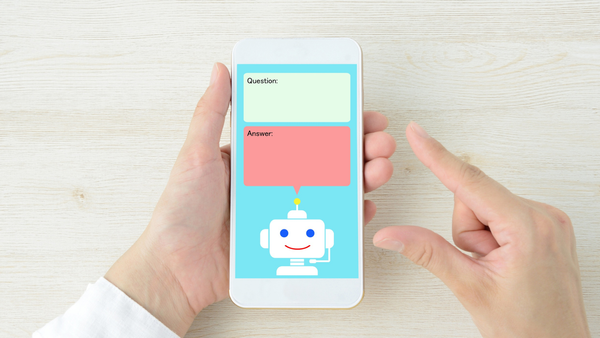
What if your child’s “best friend” isn’t a real person, but an AI chatbot?
That could pose serious risks, Australia’s eSafety Commissioner warns.
Key takeaways
- AI companion apps are being used by children and teens
- Some expose kids to explicit or inappropriate conversations
- Age verification and moderation are often weak or missing
- Chatbots don’t always respond safely to discussions of self-harm
- Kids may trust and overshare with AI that isn’t designed to protect them
What are AI companion apps?
AI companions are not your typical chatbots. AI companion apps are chatbots designed to simulate friendship, emotional support, or even romantic relationships. And they are currently being used by children and teens.
Besides being available 24/7, they can remember past conversations and respond emotionally just as a friend or partner would.
For kids, especially those feeling lonely or curious, that kind of interaction can feel comforting. But it also blurs the line between real relationships and artificial ones.
Why is the eSafety Commissioner raising concerns?
The eSafety report found that many of these platforms are simply not built with children in mind.
Exposure to inappropriate content
Some chatbots allowed conversations that turned sexual or otherwise inappropriate, even when users appeared to be minors.
Poor handling of sensitive topics
When discussions touched on self-harm or emotional distress, responses were often inadequate or unsafe, instead of guiding users toward real help.
Weak or no age verification
Children can access these platforms easily, with little-to-no friction.
Limited safety oversight
In some cases, platforms reported having minimal or no dedicated safety teams.
Are kids already using AI this way?
Yes, and more than many parents realize.
AI tools are increasingly part of everyday life for children and teens, whether for school, entertainment, or social interaction. Companion-style apps take this a step further by positioning AI as someone to talk to, not just something to use.
How can parents protect their children?
The best advice is for you to stay calm and involved:
- Talk about what AI is (and isn’t)
Explain that chatbots aren’t real people and can give mistaken or dangerous advice - Know which apps your child is using
Some AI companion platforms are designed for adults - Set boundaries early
Limit usage and avoid unsupervised access to unknown apps - Watch for subtle changes
Increased secrecy, emotional reliance, or withdrawal can be signs something’s off
Add an extra layer with family-focused protection
AI companion apps highlight a bigger issue: kids are interacting with technology in more personal and unpredictable ways.
That’s where family security plans with parental control features can make a real difference.
With Bitdefender family plans, parents can:
- Set internet time limits and build healthy digital habits
- Filter inappropriate content automatically based on age
- Monitor activity and receive alerts when something looks off
- Manage multiple devices and family members from a single dashboard
Parental Control is included specifically in family plans, allowing you to create dedicated child profiles and tailor protections to their age and behavior.
Want to understand how AI is already shaping kids’ lives and what you can do about it? These guides break it down:
tags
Author

Alina is a history buff passionate about cybersecurity and anything sci-fi, advocating Bitdefender technologies and solutions. She spends most of her time between her two feline friends and traveling.
View all postsYou might also like
Bookmarks
