What Parents of Teen Girls Should Know About the Tradwife Trend

February 02, 2026
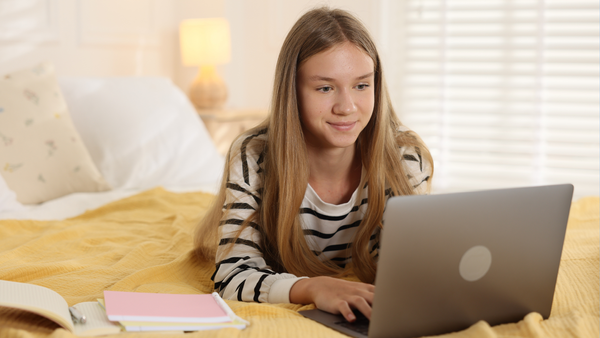
A new social media aesthetic has taken hold, and though it has slowed down, it hasn’t disappeared. It’s about a return to “traditional” femininity and an idealized version of womanhood that looks like straight out of the 1950s: soft pastels, vintage dresses, homemade bread, babies carried all day, herb gardens, and laundry hanging in the sun, women tidying spotless homes while their husbands work outside. The music is soft, the light is golden, and the message is clear: happiness lives in domestic perfection.
Under hashtags like #Tradwife and #StayAtHomeWife, women post about baking, homemaking, and finding joy in caring for their families.
There’s something deeply comforting about it. Many of us, especially mothers, wish to slow down, make a warm home, and care for loved ones. When life feels like a constant race, the promise of quiet and order can feel grounding.
It’s no wonder that millions of girls and young women are drawn to this kind of content, and the movement has nearly ten million followers on TikTok alone.
But the trend also promoted messages suggesting that women should give up independence or dreams, become wives, and devote themselves entirely to serving their husbands.
Behind the floral aprons and vintage aesthetics lies a far more complex conversation about gender, choice, identity, and what it truly means to live a “good life,” especially for the young girls watching. Like many online trends, it can shape how girls think about their roles, their worth, and their future, and set up unrealistic expectations.
The Tradwife Trend: How It Became a Viral Lifestyle
The tradwife idea began as a small online community celebrating homemaking — cooking from scratch, gardening, sewing, and raising families. At its core, the tradwife lifestyle is built on the idea that men and women have different but complementary roles — the husband as provider, the wife as caretaker. It idealizes a mid-century picture of family life, where a woman’s purpose is found in caring for her husband, raising children, and keeping a beautiful home.
Many creators say they’re simply sharing what brings them joy, but others take it further, framing obedience and submission as virtues and suggesting that modern feminism, with its focus on careers and independence, has left women unhappy.
That’s where the controversy begins. A life centered around devotion and care can feel fulfilling when everything works well and love is mutual. But when it doesn’t, it can leave little room to speak up, to ask for help, or to leave. What looks idyllic online can, in real life, turn into abuse, isolation, dependence, and a quiet kind of despair.
Famous Tradwife Influencers
Some creators, like Alena Pettitt, one of the first to call herself a tradwife, spoke openly about wanting to “serve” her husband and return to what she saw as a lost sense of order. Others joined for the aesthetic, the promise of simpler times, or the profits.
Then came a new generation of stars:
· Hannah Neeleman (@ballerinafarm) — a Utah mother of eight who turned her family’s farm into a multimillion-follower brand.
· Estee Williams — known for her Marilyn Monroe-inspired glamour and for promoting “marital submission” as a path to happiness.
· Jasmine Dinis — an Australian creator who sells online courses on “Biblical womanhood.”
· Abby Roth — a U.S. influencer who mixes mothering tips with strong political and anti-abortion messages.
Related: Who Does Your Teen Follow Online? What Parents Should Know About Scamfluencers
Tradwife vs. Stay-At-Home Mom: What’s the Difference?
Being a stay-at-home mom and being a tradwife are not the same thing.
Many women choose to stay home because it’s what works best for their families: to be more present for their kids, to manage the household, or simply because they enjoy it. It’s a valid, valuable, and often demanding role.
The tradwife movement, on the other hand, is built around ideology, not just lifestyle. It often celebrates submission, dependence, and the belief that women should return to a “natural order” where men lead and women serve.
The truth is, family life doesn’t fit into one model. Some women work full-time, some part-time, some stay home, and many move between those roles as life changes. What matters most isn’t which version you live as long as your choice, not one shaped by guilt, pressure, or online ideals.
When the Gloss Fades: Former Tradwives Speak Out
A growing number of former tradwives are now sharing what life was really like behind the picture-perfect scenes.
· Nana-Adwoa Owusu, once a prominent tradwife influencer in the U.K., spoke about feeling isolated and realizing she’d built her life around pleasing others instead of finding her own identity.
· Aysha Khan, who ran a popular homemaking channel, told The Guardian she left the movement after realizing how the pressure to be “grateful” silenced her from admitting exhaustion or unhappiness.
· Esther O’Reilly, a U.S. blogger, later wrote that her experience as a tradwife “taught me how quickly love can turn into control when submission is idealized.”
Some now run online communities for women who want to “deconstruct” the beliefs they once adopted or simply talk about their experiences without shame. Others post short videos warning younger followers not to confuse dependence with devotion, often ending with reminders like “A man is not a plan.”
Related: Period & Fertility Tracking Apps: How Safe Is Your Data?
How Parents Can Talk to Their Daughters About the Tradwife Trend
For teenage girls, tradwife videos can feel calm, beautiful, and safe. These videos tap into a universal longing for belonging, simplicity, and connection, feelings that most of us crave.
Some creators even frame feminine submission as empowering, suggesting that choosing to stay home, depend on a husband, or reject careers is an act of liberation. The message can sound freeing, but it blurs the line between choice and pressure.
And because TikTok’s algorithm feeds users more of what they already watch, a few curious views can quickly fill a teen’s feed with similar content, making it seem as if “everyone” is living that way or wants to.
Related: Privacy vs. Secrecy in Adolescence: How to Help Your Tween Tell the Difference link to be added.
If your daughter is watching tradwife content, it’s worth talking about what she’s seeing and what she thinks it means. These conversations don’t have to be lectures; they can be gentle, curious check-ins that strengthen trust.
· Start conversations without judgment. Ask what she likes about those videos — the calm, the beauty, the sense of family? Those are healthy desires, and they open the door to deeper talks about what truly makes a happy life.
· Differentiate choice from idealization. Explain that admiring homemaking doesn’t mean rejecting independence or ambition. It’s okay to love nurturing and still want a career, freedom, or creative goals.
· Talk about algorithms. Help her understand how social media platforms are built to keep us watching, not to show us the whole truth.
· Encourage digital balance. Suggest following creators who represent different lifestyles, jobs, and viewpoints to help her keep perspective.
And most importantly, be the example. When girls see their parents, living with confidence, self-respect, and curiosity, they learn that there’s more than one way to build a meaningful, loving life.
To have these conversations with your daughter, you first need to know what kind of content she’s seeing.
Protecting Our Families Online Is Another Form of Care
With a Bitdefender Family Plan, you can understand what your child is exposed to online safely and respectfully. You can see when new interests start to appear in her feed, set gentle internet time limits, or block harmful content that doesn’t belong in her world.
Whether your daughter is watching tradwife videos, following influencers, or just exploring who she is online, Bitdefender helps you keep her safe.
And if you’re a tradwife, a stay-at-home mom, or a mom working from home, you might find these tools just as valuable for yourself. A Bitdefender Family Plan helps you protect your own online content, your privacy, and your family’s digital life at the same time. Because sharing your home online can be a beautiful thing, but it also means sharing a piece of your world with strangers.
Learn more about Bitdefender Family Plans here.
Sources: newyorker,com, elle.com.
tags
Author

Cristina Popov is a Denmark-based content creator and small business owner who has been writing for Bitdefender since 2017, making cybersecurity feel more human and less overwhelming.
View all postsYou might also like
Bookmarks
