How AI and extreme media affect teen mental wellness

February 27, 2026
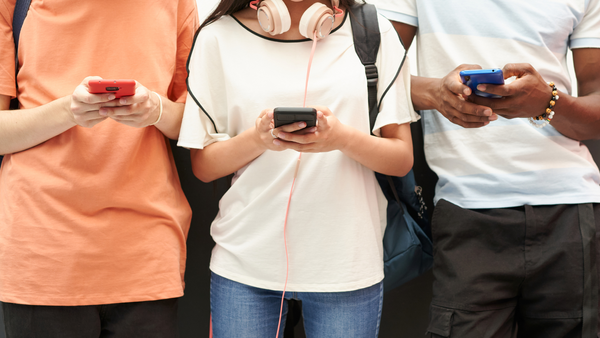
World Teen Mental Wellness Day is not just about checking in on stress levels. It’s about understanding the environment in which teens are growing up. Today’s adolescents are navigating constant exposure to screens, algorithm-driven content, AI tools, and social trends that shape how they see themselves.
For many teens, online spaces are not separate from real life. On some levels, this environment can support growth, but it can also amplify pressure and put teenagers at risk.
Key takeaways
- Recent studies show 97% of teens use the internet daily, and 40% say they are online almost constantly.
- Additionally, 64% of teens use AI tools, and around 30% use AI daily.
- More than half of young men (63%) follow masculinity influencers, and 27% say this content negatively affects how they see themselves.
- Younger users who post more are twice as likely to be scammed, with 20% reporting scam experiences compared to 9.7% of older users, according to Bitdefender’s latest Consumer Cybersecurity Survey.
- Teens and young adults increase scam risk by oversharing life milestones, selfies, and personal updates on platforms like TikTok, Instagram, and WhatsApp.
How AI is shaping teen identity
AI tools are no longer experimental. Many teens use them for homework, brainstorming, language support, and even personal advice. AI feels safe because it responds instantly and without judgment.
The concern is not that teens use AI, but how they use it. When this technology becomes the primary source of reassurance or validation, it can quietly influence how teens process emotions. Helping teens see AI as a tool rather than an authority protects both critical thinking and emotional development.
How algorithmic feeds intensify comparison
Social platforms are designed to amplify engagement. That often means promoting content that sparks strong emotional reactions.
Trends like looksmaxxing show how quickly identity pressure can scale. What begins as appearance advice can evolve into rigid standards about masculinity, facial structure, or body composition. When 27% of young men say this type of content negatively affects how they see themselves, it shows that comparison is not harmless background noise.
Teens do not just consume content – they measure themselves against it.
Over time, this can affect self-esteem, confidence, and mood.
How viral skincare trends relate to pressure and self-image
Social media does not just shape what teens think about themselves; it can also influence what they do with their bodies. Viral skincare routines on platforms like TikTok and Instagram are striking examples. A study published in Pediatrics found that girls between the ages of 7 and 18 featured in these posts often use an average of six products in a routine, and sometimes more than a dozen. The top-viewed skincare videos often include multiple potentially irritating active ingredients, which can increase the risk of skin irritation, sun sensitivity, and allergic reactions.
The problem is not just dermatological. Viral skincare content can subtly reinforce the idea that a teen’s worth is tied to achieving a certain look, and that professional-grade products are necessary to be “acceptable” or “on trend.” That pressure feeds into comparison culture, the same force driving trends like looksmaxxing and unrealistic beauty standards appearing across many platforms.
The link between oversharing and vulnerability
Emotional vulnerability and digital vulnerability often overlap.
Teens who are seeking validation may post more frequently. Life milestones, selfies, location updates, and personal details become part of an online identity. According to Bitdefender research, younger users who post more are twice as likely to experience scams compared to older users.
This is not simply a cybersecurity issue – it is also a mental wellness issue.
When a teen’s sense of identity is closely tied to online feedback, they may be more likely to trust messages that reinforce that identity. A fake brand collaboration, a flattering direct message, can feel exciting instead of suspicious.
Oversharing increases exposure and teens need to be supported in understanding that not every interaction is authentic reduces both scam risk and emotional fallout.
Privacy versus secrecy in adolescence
Everyone needs privacy, and teens are no exception. Secrecy, on the other hand, is totally different, as it usually grows from fear or shame. It can develop when teens worry about losing access to their devices or being judged for what they are experiencing online.
To help teens better navigate this important time in their development, connection and open conversations are key.
What parents can focus on now
The solution is not removing technology. It is building resilience around it.
Focus on a few stabilizing habits:
- Protect sleep with consistent device limits at night
- Talk regularly about what appears in their feeds
Instead of “How many hours were you on TikTok,” try learning about what has been showing up on their feed lately. Look for: appearance pressure, harsh humor, bullying content, extreme advice, and “alpha” narratives.
- Explain how algorithms promote extreme content
- Clarify that AI responses are generated predictions, not emotional truth
Urge your teen not to share personal info or use it as their main source of emotional advice.
- Encourage thoughtful sharing rather than constant posting
- Reduce digital risks with practical protection
Teens get targeted with scam links, fake accounts, and manipulative messages too. Basic protection that blocks risky links and helps spot scams can lower exposure and reduce stress around “I clicked something, am I in trouble?”
How family plans can support digital wellness
Protecting a teen’s mental and emotional well-being in the digital age also means protecting their digital environment. Cybersecurity and healthy online habits go hand in hand: when teens feel safe online, they are less likely to experience anxiety linked to scams, invasion of privacy, or malicious content.
Bitdefender’s Family Plans offer a comprehensive way for families to manage digital safety together while respecting each person’s independence. These plans let parents set up real-time protection, privacy tools, and parental controls from one central dashboard that covers multiple devices and family members.
A balanced way forward
Teen mental wellness today is shaped by screens, AI, social trends, and the pressure to be visible at all times. The data shows just how immersed this generation is. World Teen Mental Wellness Day is an invitation to understand the environment, reinforce boundaries, and keep communication open so teenagers can be better equipped to navigate both emotional pressure and digital threats with confidence.
tags
Author

Alina is a history buff passionate about cybersecurity and anything sci-fi, advocating Bitdefender technologies and solutions. She spends most of her time between her two feline friends and traveling.
View all postsYou might also like
Bookmarks
