Common Banking Scams Every Small Business Owner Should Know

November 13, 2026
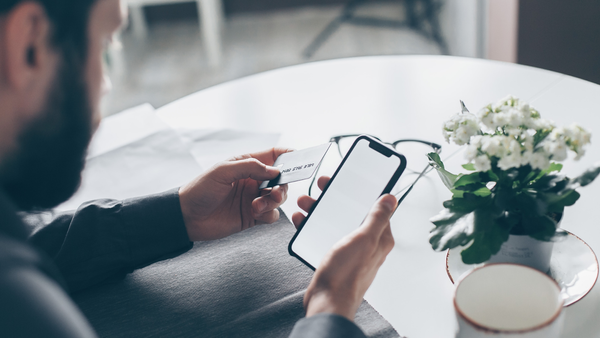
A banking scam can put the money you rely on to run your business at risk.
Fraud can involve unauthorized transactions, where criminals access your account and steal money, or payments you're tricked into approving yourself. Both can leave your business out of pocket, but your chances of recovering the money may differ.
Here's what you should know about the most common banking scams targeting small businesses and how to protect your accounts.
Key Takeaways
- Banking scams can involve unauthorized access to your business account or tricking you into approving fraudulent transfers.
- Common threats include bank impersonation, phishing, account takeover, unauthorized debits, and banking malware.
- Verify unexpected banking requests, protect your login credentials, and monitor account activity regularly.
- If you suspect fraud, contact your bank immediately. Your chances of recovering the money may depend on how the transaction was made and how quickly you report it.
5 Banking Scams Every Small Business Owner Should Know
Banking scams can start with a fake call from your bank, a phishing message, or stolen login credentials. Criminals may try to access your account or convince you to transfer money yourself.
Here are five banking scams every small business owner should recognize.
1. Bank Impersonation Scams
A scammer calls pretending to be from your bank's fraud department, warning about suspicious activity on your business account. They may know your name or business details and even spoof your bank's phone number to appear legitimate.
Their goal is to get you to share sensitive information, approve a transaction, or transfer money to a supposedly "safe account." These scams can also arrive by text or email and may involve AI-generated voices.
Watch out for: Unexpected calls about account security, requests to move money, and pressure to act immediately. Hang up and contact your bank using its official number.
2. Online Banking Phishing Scams
You receive an email or text claiming your business bank account has been restricted or that you need to verify your details. The link takes you to a fake banking website designed to steal your login credentials and verification codes.
Fraudulent banking websites can also appear in search results or paid ads, making them easy to mistake for legitimate banking pages.
Watch out for: Unexpected login links, threats of account suspension, and requests for passwords or verification codes. Access your bank through its official app or by typing its website address directly into your browser.
3. Business Bank Account Takeover
Account takeover happens when criminals gain unauthorized access to your business bank account, often through stolen passwords, phishing, or malware.
Once inside, they may transfer money, add new payment beneficiaries, or change account settings. They may also try to bypass multifactor authentication by stealing login sessions or tricking you into approving a login request.
Watch out for: Unfamiliar transactions, unexpected login alerts, verification codes you didn't request, or changes to your account settings. Enable banking notifications and never approve authentication requests you didn't initiate.
4. Unauthorized Bank Transfers and ACH Debit Fraud
Criminals can use stolen banking information to initiate unauthorized payments or withdrawals from your business account.
In the US, this includes ACH debit fraud. The Automated Clearing House (ACH) network processes electronic payments such as payroll and direct debits. With enough banking information, fraudsters may attempt to withdraw money from a business account without the owner's approval, even without accessing online banking.
Similar fraud can affect other electronic payment systems, although protections and recovery procedures vary by country and payment method.
Watch out for: Unrecognized debits or transactions that don't match your records. Review your account regularly and ask your bank about transaction alerts, ACH debit blocks, and other payment restrictions.
5. Fake Banking Apps and Banking Malware
You receive a text message asking you to install an urgent banking security update. You follow the link, but instead of a legitimate update, you download a malicious app designed to steal banking information.
Banking malware can capture passwords, display fake login screens, and interfere with transactions. Malicious apps may also access notifications or messages containing verification codes. Computers can be infected through phishing attachments and unsafe downloads, too.
Watch out for: Banking apps or updates offered through unexpected links, unusual permission requests, and suspicious changes in your banking app. Download apps from trusted sources, keep devices updated, and use security software to help detect malware and malicious websites.
How Can You Protect Your Small Business Bank Account?
Protecting your business bank account starts with how you manage access, verify banking requests, and monitor transactions. Here are a few security measures worth putting in place.
Verify unexpected requests directly with your bank
If someone contacts you about suspicious activity, don't share information or approve transactions during the call. End the conversation and contact your bank through its official app, website, or a trusted phone number. The same applies to emails and text messages asking you to verify your identity or update banking details.
Use strong passwords and multifactor authentication
Protect your business banking account with a strong, unique password that you don't use anywhere else.
Enable multifactor authentication and choose phishing-resistant options, such as passkeys or security keys, if your bank supports them.
Never share verification codes or approve unexpected authentication requests, even if someone claims to be calling from your bank.
Turn on banking alerts and review transactions
Most business banks offer notifications for account activity, such as transfers, payments, or changes to account settings. Enable the alerts available to you and check your transactions regularly.
If you spot an unfamiliar payment, contact your bank immediately rather than waiting until your next monthly review.
Limit access to business banking
If employees need access to your business bank account, give them only the permissions required for their work. Avoid sharing banking credentials, and consider separate approval requirements for larger transfers.
Ask your bank whether you can set transaction limits, restrict new beneficiaries, or require two people to approve certain payments.
Keep your banking devices protected
A compromised laptop or phone can put your business banking information at risk.
Keep operating systems, browsers, and banking apps updated. Avoid downloading software from unfamiliar websites, and use security protection against phishing, malware, and malicious links.
Bitdefender Ultimate Small Business Security helps protect business devices and data against malware, phishing, and malicious websites that criminals may use to steal banking credentials. Its AI-powered Scam Copilot can also help you assess suspicious messages and links, including those that appear to come from your bank, before you respond or take action.
What Should You Do If Money Is Stolen From Your Business Bank Account?
If you discover a fraudulent transaction or suspect someone has accessed your business bank account, act immediately.
1. Contact your bank's fraud department. Explain what happened and ask whether the transaction can be stopped, recalled, or disputed. If your account has been compromised, ask the bank to restrict access or block further unauthorized payments.
2. Secure your accounts. Change affected passwords using a trusted device, review authentication methods, and revoke unfamiliar sessions or connected devices. If you suspect malware, have the affected device checked before using it for banking again.
3. Check for other suspicious activity. Review recent transactions, payment beneficiaries, account settings, and any other business accounts that may have been affected.
4. Keep records of what happened. Save suspicious emails, text messages, transaction details, screenshots, and correspondence with your bank.
5. Report the fraud. Contact the appropriate law enforcement or fraud reporting authority in your country. In the United States, you can report internet-related fraud to the FBI's Internet Crime Complaint Center at IC3.gov.
6. Consider whether anyone else is affected. If customer, employee, or business partner information was exposed, assess whether you have notification obligations under applicable data protection laws.
Will your bank refund the stolen money?
It depends on what happened, the type of transaction, your bank's terms, and the laws that apply.
If criminals accessed your account and transferred money without authorization, you may have options to dispute the transaction.
If you were deceived into approving the transfer yourself, recovering the money can be more difficult. Some jurisdictions and payment systems provide protections for certain authorized payment scams, but these don't necessarily apply to business accounts. Business banking protections may also differ from those available to individual consumers.
Whatever the circumstances, report the incident as soon as possible. Banks and payment providers may have strict reporting deadlines, and delays can reduce the chances of recovering the funds.
Protecting your business bank account also means reducing the risk of phishing, malware, and scams that could compromise your banking information.
Try Bitdefender Ultimate Small Business Security free for 30 days. No credit card required.
- How to tell if your small business is properly protected
- Business email compromise vs. phishing: What's the difference for small businesses?
- How scammers use one-time passcodes against businesses
- Unexpected Bank Card in the Mail? Don’t Activate It – It Might Be a Scam
FAQs
What are the most common banking scams targeting small businesses?
Bank impersonation, online banking phishing, account takeover, unauthorized transfers, and banking malware are important threats for small business owners to recognize. These scams may involve stealing banking credentials, accessing accounts without permission, or tricking owners into authorizing fraudulent payments.
Can someone steal money with just your business bank account number?
An account number alone generally isn't enough to log in to online banking or authorize every type of transfer. However, depending on the banking system and other information available, criminals may be able to attempt unauthorized direct debits or use the details in other fraud schemes. Monitor your account and report unfamiliar transactions promptly.
Can a scammer access your business bank account without your password?
Yes. Criminals may steal active login sessions, exploit compromised devices, or trick you into approving authentication requests. Strong passwords and multifactor authentication help, but you should also protect the devices you use for banking and pay attention to unexpected login alerts.
What should you do if you accidentally share your online banking password?
Contact your bank immediately, change your password using the official banking website or app, and check for unfamiliar transactions. If you entered your details on a suspicious website, tell your bank what happened so it can help secure your account.
How can you tell whether a call from your bank is legitimate?
Don't rely on caller ID, as phone numbers can be spoofed. If someone claims to be from your bank, end the call and contact the bank using an official number you already trust. Never share passwords or verification codes, and don't transfer money to a new account because a caller tells you it's necessary for security.
tags
Author

Cristina Popov is a Denmark-based content creator and small business owner who has been writing for Bitdefender since 2017, making cybersecurity feel more human and less overwhelming.
View all postsYou might also like
Bookmarks
