700-person scam empire brought down by Dutch police

July 16, 2026

Dutch police have dealt a major blow to an international investment fraud operation that allegedly employed more than 700 people, generated over €100 million in illicit revenue a month, and targeted victims in multiple countries through sophisticated fake investment platforms.
The investigation led to the arrest of several suspects, including a 46-year-old Israeli-Polish national described as a key figure in the organization. Authorities say the suspect was arrested while traveling from Dubai to Poland before being extradited to the Netherlands.
Key takeaways
- Dutch police arrested multiple suspects linked to an international investment fraud network
- Investigators say the organization employed more than 700 people in roughly 20 call centers
- The alleged operation generated more than €100 million a month
- Victims were lured into fake investment platforms through highly organized social engineering
- Authorities warn that fraudsters are increasingly targeting people who have already been scammed
- Bitdefender data supports recent investigations uncovering scam operations working as full-fledged businesses
A criminal enterprise disguised as a financial business
According to the Dutch National Police, the organization operated much like a legitimate multinational company.
Investigators say roughly 20 call centers engaged more than 700 "employees" who posed as investment advisers, account managers, technical support staff, and customer service representatives. Rather than relying on malware or hacking, the operation specialized in manipulating victims into voluntarily transferring money.
Victims were typically approached through online ads promoting investment opportunities involving cryptocurrencies, stocks, commodities, or foreign exchange trading.
After making a small initial deposit, they were shown convincing—but entirely fake—investment dashboards displaying impressive returns. Fraudsters then spent weeks or even months building trust before persuading victims to invest larger sums.
In reality, investigators say, no investments were ever made. The money went directly to the criminal organization.
Hundreds of victims every day
Dutch police estimate the organization created hundreds of new victims every day.
At its peak, investigators believe the network generated more than €100 million ($117 million) a month from victims spread across numerous countries. Authorities have not disclosed the total number of victims worldwide, but reports suggest the operation affected tens of thousands of people over several years.
The Dutch investigation identified approximately 550 victims in the Netherlands alone, with reported losses totaling around €25 million. While many victims lost around €10,000, others reportedly invested hundreds of thousands of euros before realizing they had been defrauded.
A second scam targeting previous victims
One particularly troubling aspect of the investigation involved so-called "recovery" companies.
Police say some victims who had already lost money were later contacted by businesses claiming they could recover the stolen funds—for an upfront fee.
Investigators believe these recovery services were actually operated by the same criminal organization or its associates, effectively victimizing people a second time by exploiting their desperation to recover lost investments.
Investment scams continue to evolve
Large-scale investment fraud has become one of the most profitable forms of cyber-enabled crime.
Unlike traditional phishing attacks, modern investment scams often rely on professional sales techniques, fake trading platforms, convincing websites, spoofed identities, and long-running conversations that build trust over weeks or months.
Many operations now function like legitimate businesses, complete with scripted sales calls, customer relationship management systems, multilingual staff, and performance targets for employees.
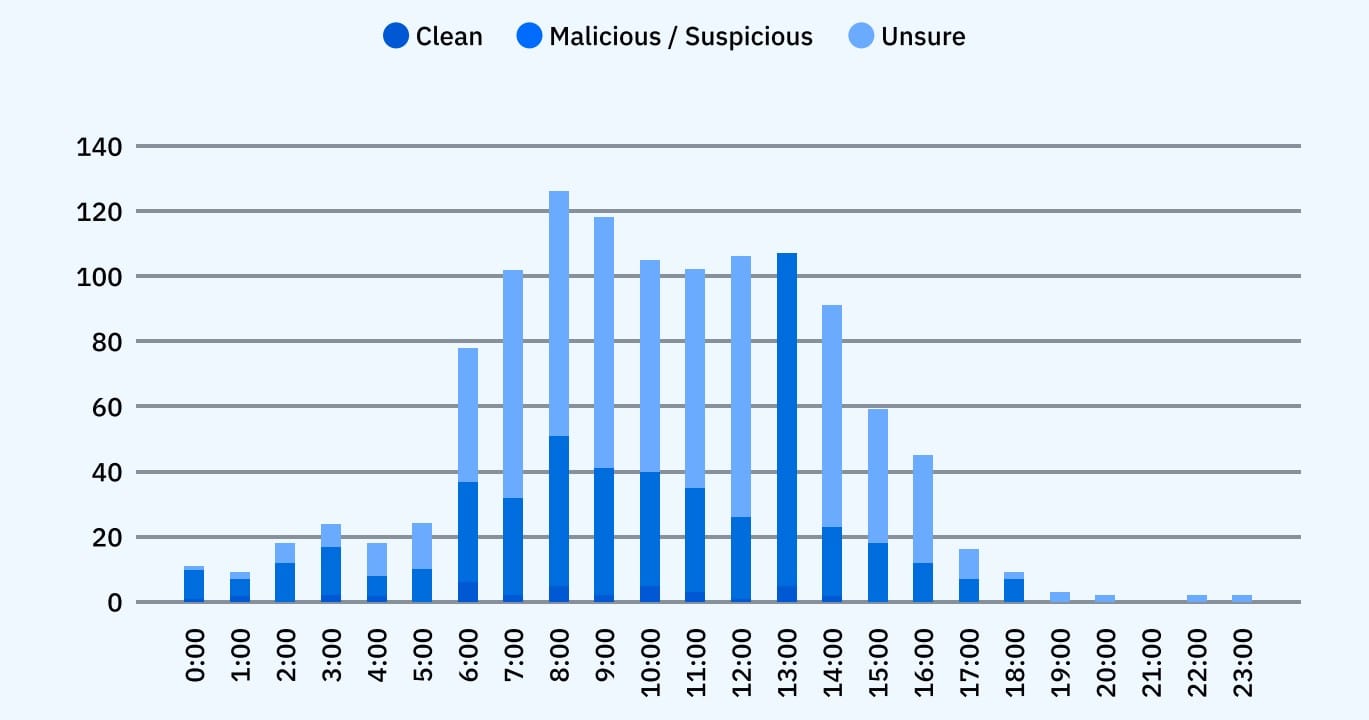
According to the Bitdefender 2026 Global Scam Intelligence Report, many scam operations follow predictable work schedules, reinforcing what investigators increasingly observe: modern cybercrime is a business.
Tread carefully on your social media feed
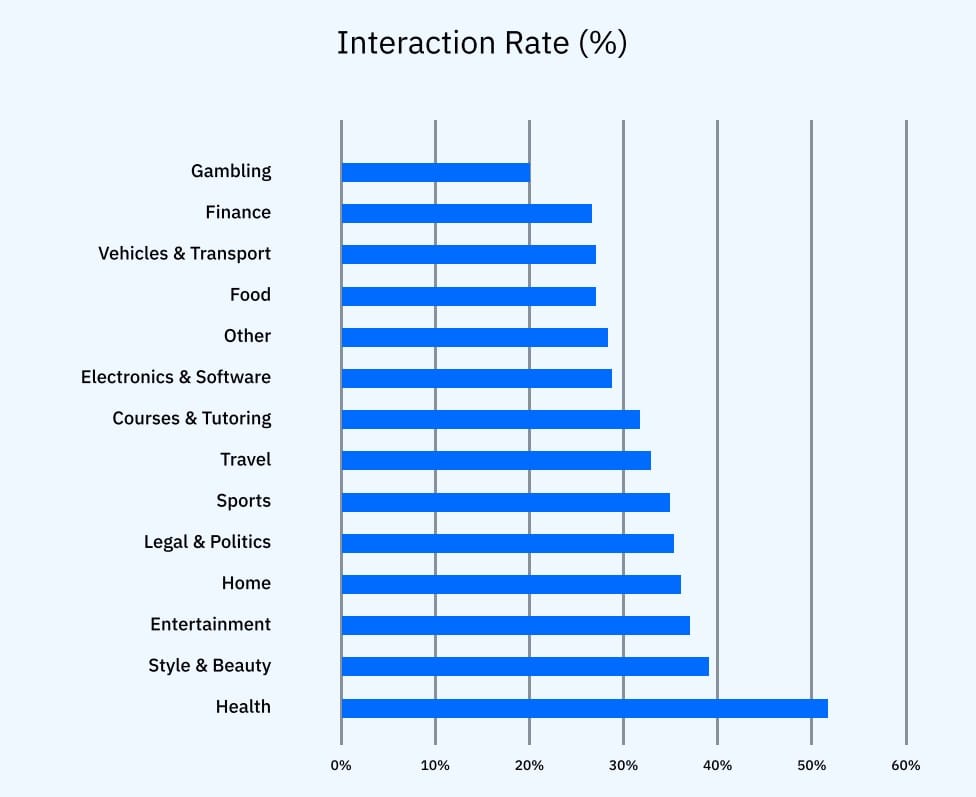
As we noted in a recent blog piece, social media has evolved into a highly effective scam distribution channel, with 36% of users who encountered scams on social platforms interacting with them. Instead of baiting users hoping to open suspicious emails, scammers now conveniently place traps exactly where people spend hours every day.
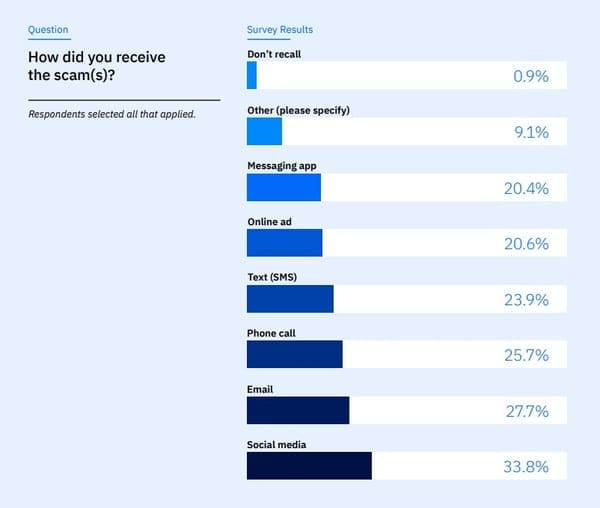
Our 2025 Consumer Survey across seven countries also found that social media is the leading scam delivery channel, with 34% of respondents saying they encountered scams through social platforms.
How to protect yourself from investment scams
Fraudsters continue refining their tactics, but several warning signs remain consistent:
- Be skeptical of unsolicited investment offers on social media, messaging apps, or dating platforms
- Remember that guaranteed or unusually high returns are almost always a red flag
- Verify that brokers and investment firms are licensed by your country's financial regulator
- Never let someone you've only met online remotely access your computer or bank accounts
- Be wary of pressure to "act today" or invest additional funds to unlock existing profits
- If someone offers to recover money you've already lost—for a fee—assume it may be another scam until independently verified
- Protect your devices with a dedicated security solution capable of detecting malicious websites, phishing attempts, and other online threats
Keep a scam detector at hand
Dedicated scam-detection tools can help identify phishing links, fraudulent messages, spoofed websites, and other indicators of online fraud before they cause harm.
To help people stay ahead of evolving threats, Bitdefender has introduced Scam Radar, a new feature integrated into Bitdefender Mobile Security for Android and Bitdefender Mobile Security for iOS.
When in doubt about an unsolicited phone call, text or social media interaction, use Scamio, our free scam detector and prevention service. Simply describe your situation and let Scamio guide you to safety.
You may also want to read:
US indicts three Russians accused of powering global cybercrime
tags
Author

Filip has 17 years of experience in technology journalism. In recent years, he has focused on cybersecurity in his role as a Security Analyst at Bitdefender.
View all postsYou might also like
Bookmarks
