Can your ISP see your browsing without a VPN? What they track

April 07, 2026
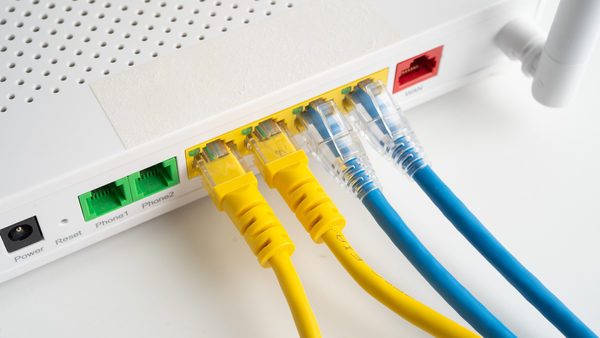
It’s easy to assume your internet activity is private. But your internet provider (ISP) sits between you and everything you do online. Without extra protection, they can see more than most people realize—not everything, but enough to build a detailed picture of your digital life.
Key takeaways:
- Your internet provider can see where you go online and when
- Even without content, browsing patterns can reveal personal or business insights
- ISPs use this data for network management and sometimes broader analysis
- A VPN encrypts your traffic and limits what your provider can see
- Privacy is not all-or-nothing—it’s about reducing exposure step by step
What your internet provider can see
Your ISP is the company that connects you to the internet. Every website you visit, every app you use, every request your device makes goes through them.
Without a VPN, your provider can see:
The websites you visit. Even if a site uses HTTPS (which most do), your ISP can still see the domain name. That means they know you visited your bank’s website, a news site, a health-related page, or a streaming platform. They may not see the exact page or what you typed, but they know where you went.
Your IP address and location. Your IP address works like a home address on the internet. Your ISP assigns it to you, knows where it’s being used, and can link your activity to your household or business.
Related: What can someone do with your IP address? Privacy risks explained
When and how long you’re online. This includes when you connect, how long you stay online, and how often you access certain services. Over time, this creates patterns that can reveal your routines, habits, and even your working hours.
Your search history. Your internet provider can see that you visit search engines like Google and can identify the domains you access afterward, but they cannot see the exact searches you type if the connection is encrypted (HTTPS). However, over time, these patterns can still reveal a lot about your interests and behavior.
The services and apps you use. While they can’t read your messages, they can often identify the types of services you use, such as streaming platforms, messaging apps, gaming services, or cloud tools.
How much data you use. They also see how much data you use. This helps them manage their network, apply limits or throttling, and detect unusual activity.
If a website uses HTTPS, your ISP cannot see your passwords, messages, emails, exact pages you view, or form details because that content is encrypted—but metadata alone can still be very revealing. In many cases, this visibility comes from DNS requests, which are used to connect you to websites unless they are also encrypted.
Why should you care what your ISP can see?
At first glance, this might not feel like a big deal. You’re not doing anything wrong, so why worry?
Because privacy isn’t just about hiding something. It’s about control.
Over time, browsing data can reveal more than you might expect—your interests, habits, financial situation, health concerns, and even your travel plans. If you run a small business or work independently, this becomes even more relevant. Your online activity might include researching competitors, checking suppliers, accessing client information, or using specific tools and platforms.
Put together, this creates a digital footprint that says far more about you than a single search or visit ever could.
Related: Why Flight Prices Go Up When You Keep Checking and How a VPN Can Help
How your ISP uses your browsing data
What your internet provider (ISP) does with your browsing data depends on local laws and company policies—but in most cases, your data is collected and used in a few key ways.
Network management
This is the most basic and expected use of ISP data tracking. Providers rely on it to keep the network running smoothly by:
- keeping the network stable
- managing traffic across users
- preventing abuse or suspicious activity
Data retention and legal access
In many regions, ISPs are required to store certain types of browsing data for a set period of time. This stored data may be accessed by authorities under specific legal conditions.
Traffic shaping and throttling
Some ISPs use browsing data to manage how bandwidth is distributed. This can include:
- slowing down certain types of traffic, such as streaming or gaming
- prioritizing other types of usage
In practice, this can affect your internet speed without you always knowing the reason.
Advertising and data insights (in some cases)
Depending on regulations, some internet providers may use browsing data for commercial purposes, such as:
- analyzing anonymized user behavior
- generating marketing insights
- sharing aggregated data with partners
Even when data is anonymized, patterns in browsing activity can still reveal meaningful information about users.
How a VPN hides your browsing from your ISP
A VPN (Virtual Private Network) changes how your internet traffic flows, making it much harder for your internet provider to track what you do online. Instead of connecting directly to websites through your ISP, your traffic is first encrypted on your device and then routed through a secure VPN server. From there, it reaches the internet.
This simple shift makes a big difference.
Your ISP can no longer see the websites you visit or the services you use. Instead of a list of domains and activity, they only see that you’re connected to a VPN server.
At the same time, your real IP address is hidden and replaced with one from the VPN server, making it much harder to link your activity back to your location or household.
Because your traffic is encrypted before it leaves your device, it also becomes unreadable to anyone trying to monitor it along the way—not just your ISP, but also potential attackers on public or unsecured networks.
In practice, this means your browsing activity becomes much more private by default, rather than something that can be tracked and analyzed over time.
Related: Free VPN vs Paid VPN: Are Free VPNs Safe?
How can you stop your ISP from tracking your browsing?
If you’re looking for a simple way to do this without changing how you use the internet, a VPN like Bitdefender Premium VPN can help.
With Bitdefender Premium VPN, your internet traffic is encrypted using strong standards like AES-256, your real IP address is hidden, and your browsing activity becomes much harder to track. Whether you’re at home or on public Wi-Fi, your connection stays private and protected.
You also benefit from fast, stable connections across thousands of servers worldwide, along with a strict no-logs policy, meaning your activity isn’t monitored or stored. It works quietly in the background, helping you browse, stream, and work with more privacy, without changing how you use the internet day to day.
Get Bitdefender Premium VPN and browse with more privacy.
FAQs
Can my internet provider see if I visit sensitive or restricted websites?
Yes. Your internet provider can see the domains you visit, including websites that may be considered sensitive or restricted, even if the content itself is encrypted. This means they can tell which type of site you accessed, though not exactly what you viewed on it. Using a VPN hides this information by encrypting your traffic and preventing your provider from seeing the websites you visit.
Can a VPN hide sensitive or restricted websites from my internet provider?
Yes. A VPN hides the websites you visit—including sensitive or restricted ones—by encrypting your internet traffic and routing it through a secure server. This means your internet provider can no longer see which domains you access, only that you’re connected to a VPN.
Can my ISP see my search history?
Yes. Your internet provider can see the domains you visit, including search engines, but not the exact searches you type if the connection is encrypted (HTTPS). However, patterns in your activity can still reveal a lot about your interests.
Are free VPNs safe to use?
Not always. Some free VPNs may log your activity, show ads, or even collect and sell your data to third parties. Others may offer weaker encryption or limited protection. If privacy is your goal, it’s important to choose a trusted VPN provider with clear policies and strong security standards.
Is my internet being throttled by my provider?
It’s possible. Some internet providers slow down certain types of traffic—like streaming, gaming, or large downloads—especially during peak hours. This is called throttling and is often used to manage network congestion. While it’s not always easy to confirm, consistent slowdowns during specific activities can be a sign.
tags
Author

Cristina Popov is a Denmark-based content creator and small business owner who has been writing for Bitdefender since 2017, making cybersecurity feel more human and less overwhelming.
View all postsYou might also like
Bookmarks
