Crypto ATM Scams Keep Growing as Americans Lose Millions, FBI Warns

May 20, 2026
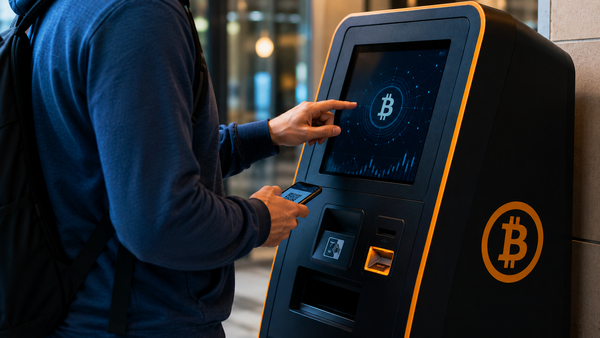
The FBI is sounding the alarm on a fast-growing fraud trend involving cryptocurrency kiosks, commonly known as crypto ATMs, after Americans reported massive losses tied to scams that use the machines to collect victims’ money.
In a public service announcement, the bureau’s Internet Crime Complaint Center (IC3) released state-level complaint data tied to cryptocurrency kiosks as a supplement to its 2025 annual cybercrime report. The agency says criminals continue to exploit crypto kiosks in impersonation scams, investment fraud, and tech support schemes that pressure victims into sending money through cryptocurrency transactions.
Key takeaways
- The FBI released new state-level data on cryptocurrency kiosk scams.
- Crypto ATMs are increasingly used in impersonation, investment, and tech support scams.
- Older adults are disproportionately targeted by crypto-related fraud.
- Criminals often pressure victims to deposit cash into crypto kiosks using urgent or threatening tactics.
- The FBI urges consumers to independently verify requests and avoid sending cryptocurrency to strangers.
What are crypto kiosks (and crypto kiosk scams)?
Cryptocurrency kiosks are ATM-like terminals that allow users to exchange cash for cryptocurrency. These machines have become a preferred payment channel for scammers because transactions are difficult to reverse and can be transferred quickly across borders.
In crypto kiosk scams, fraudsters typically contact victims by phone, text message, email, or social media. The scammer may impersonate a government agency, bank representative, tech support worker, or investment advisor and instruct the victim to withdraw cash and deposit it into a crypto kiosk.
Victims are usually given QR codes or wallet addresses that direct the funds straight to the criminals.
A growing trend
IC3 data indicates cryptocurrency kiosks are increasingly used for fraud.
According to the alert, the crime complaint center received more than 13,400 reports involving the use of cryptocurrency kiosks in 2025, with losses exceeding $388 million. That’s a 23% increase in complaints from 2024 and a 58% jump in losses.
More than half of the complaints were filed by individuals over the age of 50, with losses over $302 million.
The complaints show criminals typically gave victims detailed instructions on how to withdraw cash from their bank, how to locate a kiosk, and how to deposit and send funds using the kiosk.
Crypto scams continue to surge
The new state-level data comes alongside the FBI’s broader 2025 IC3 Annual Report, which paints a troubling picture of escalating cyber-enabled fraud.
The agency received more than 1 million complaints in 2025, with reported losses surpassing $20 billion for the first time. Investment fraud remained the most financially damaging category, followed by business email compromise and tech support scams. Complaints involving cryptocurrency accounted for billions in reported losses.
The FBI says cyber-enabled fraud now represents the overwhelming majority of financial losses reported to the IC3. Many of these scams increasingly rely on cryptocurrency because the transactions are harder for victims and financial institutions to recover once funds are transferred.
Older adults remain heavily targeted
The FBI has repeatedly warned that older adults are disproportionately affected by cryptocurrency scams.
The IC3’s annual report shows individuals aged 60 and older reported the highest financial losses across all cybercrime categories in 2025, totaling billions of dollars.
Scammers frequently exploit fear, a sense of urgency, or confusion to manipulate victims into acting quickly. In many cases, criminals claim the victim’s bank account has been compromised, threaten arrest over made-up legal issues, or promise high-return investment opportunities.
Tech support scams remain particularly dangerous. Fraudsters may pretend to represent well-known technology companies and convince victims their computers or accounts have been hacked. The victim is then instructed to “protect” their funds by converting cash into cryptocurrency through a nearby kiosk.
Why scammers like crypto kiosks
Crypto kiosks offer criminals several advantages:
- Transactions are fast and often irreversible.
- Victims can convert large amounts of cash into cryptocurrency quickly.
- Scammers can operate remotely and anonymously.
- Funds can be moved across multiple wallets within minutes.
Unlike traditional bank transfers, cryptocurrency transactions typically lack the fraud protections or recovery mechanisms consumers expect from regulated financial institutions.
The FBI says criminals also coach victims through the process in real time, sometimes staying on the phone while the transaction is completed.
How to stay safe from crypto scams
The FBI recommends consumers take several precautions before sending cryptocurrency or using a crypto kiosk:
- Never send cryptocurrency to someone you have only met online.
- Be skeptical of urgent requests involving money, especially from alleged government agencies or financial institutions.
- Do not trust callers who claim your accounts are compromised and demand immediate payment.
- Verify requests independently using official contact information.
- Discuss suspicious financial requests with trusted family members or friends.
- Remember that legitimate businesses and government agencies will not demand payment through cryptocurrency kiosks.
Consumers who believe they have been targeted are encouraged to report incidents to the FBI’s Internet Crime Complaint Center at IC3.gov.
The broader crypto fraud problem
The FBI’s warning reflects a larger trend in cybercrime: scammers increasingly blend social engineering with emerging financial technologies.
Over the past several years, criminals have aggressively turned to cryptocurrency payments because they reduce friction, bypass some traditional fraud controls, and complicate investigations. Fraud campaigns tied to fake investments, romance scams, impersonation fraud, and tech support schemes now routinely include instructions on how to pay in cryptocurrency.
As cryptocurrency kiosks become more common in convenience stores, gas stations, and shopping centers, criminals will continue targeting inexperienced users and vulnerable groups.
For consumers, the safest approach is to slow down, verify independently, and treat any request involving cryptocurrency payments as a red flag.
You may also want to read:
Scam Centers Are Feeling the Heat – INTERPOL Makes 201 Arrests in the MENA Region
FBI: Cybercrime Losses Hit a Record $21 Billion Last Year, Fueled by AI
tags
Author

Filip has 17 years of experience in technology journalism. In recent years, he has focused on cybersecurity in his role as a Security Analyst at Bitdefender.
View all postsYou might also like
Bookmarks
