When Should a Child Get Their First Gaming Console

April 23, 2025
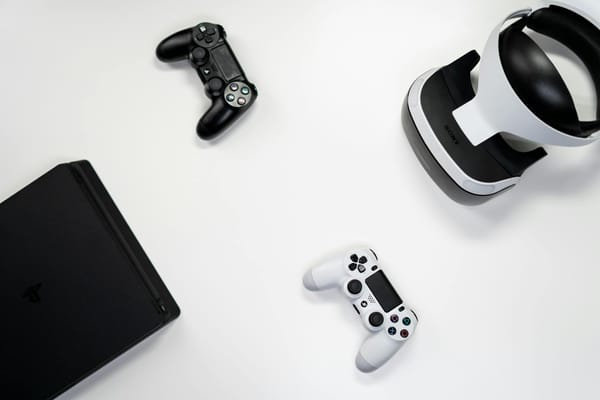
There is no perfect age for a child’s first gaming console, because readiness matters more than a single number on a birthday cake. The better question is whether your child can handle screen-time limits, frustration, and basic online safety well enough to enjoy gaming without it becoming a constant source of conflict or risk.
Key Takeaways
- There is no fixed “right age” for a first gaming console; the article says some children may be ready around 7 or 8, while others may be better off waiting until their early teens.
- The strongest signs of readiness are practical ones: following screen-time rules, balancing gaming with other activities, coping well with losing, and understanding basic online safety.
- The best console depends on the child’s age and needs, with the article pointing to the Nintendo Switch for younger kids and more advanced systems like PlayStation 5 or Xbox Series X/S for older children and teens.
- Parents should treat the console itself as only part of the decision, alongside parental controls, age-appropriate games, spending limits, shared-space play, and supervision of online interactions.
For many kids, having their own gaming console is a dream come true. It offers entertainment, social interaction, and even learning opportunities. But for parents, the decision isn't always easy.
Is your child ready for the responsibility? How will you manage screen time? And what about online safety? This guide will help you decide when—and if—it's the right time for your child to have their own gaming console.
Understanding Gaming Readiness
There's no perfect age for getting a gaming console. Some children may be ready at 7 or 8, while others might need to wait until their early teens. The key is to look at their level of responsibility and self-regulation.
If your child follows screen time rules, balances gaming with other activities, and handles frustration well when they lose, they may be ready for a console of their own. On the other hand, if they struggle with time limits or become too absorbed in gaming, it might be better to wait.
Another factor to consider is their understanding of online safety. If they know how to protect their personal information and recognize potential risks, they're better prepared for a gaming console.
How to Choose the Right Gaming Console for Your Child
Not all consoles are created equal. Some are designed with younger players in mind, while others cater to competitive gamers. When choosing a gaming system for your child, consider these factors:
Age-Appropriate Consoles:
- For younger kids (6-10 years old) – The Nintendo Switch is a great choice because it has family-friendly games and strong parental controls. The Xbox Series S is also an option for those looking for a more budget-friendly system.
- For older kids and teens (11+ years old) – The PlayStation 5 and Xbox Series X offer more advanced gaming experiences, while a gaming PC may appeal to kids who are interested in multiplayer or creative games like Minecraft.
- Portable vs. home console – The Nintendo Switch Lite is ideal for travel, while the PlayStation and Xbox are better for family gaming in shared spaces.
Cost Considerations:
A gaming console isn't just a one-time purchase. There are additional expenses parents should be aware of:
- Games – New releases can cost $60-$70 each, though subscription services like Xbox Game Pass provide access to multiple games for a monthly fee.
- Online memberships – To play online, many consoles require subscriptions (e.g., PlayStation Plus, Xbox Game Pass Ultimate).
- In-game purchases – Some games encourage players to buy extra content, which can add up quickly.
Related: The Hidden Dangers of Free Apps and Games for Kids
Advantages and Risks of Video Games
Video games can offer many benefits for children, from improving problem-solving skills and hand-eye coordination to fostering creativity and social connections. Educational games can make learning more engaging, while multiplayer experiences allow kids to develop teamwork and strategic thinking.
However, gaming also comes with risks that parents should be aware of.
For a more in-depth look at gaming safety and how to protect your child online, check out our article: Online Gaming Safety for Kids – Essential Tips for Parents
How to Keep Kids Safe While Gaming Online
Many modern games have online multiplayer features, allowing kids to play with friends—or strangers. While this can be fun, it also comes with risks, including exposure to inappropriate content such as violence, explicit language, or adult themes, cyberbullying, and online predators. As a parent, taking a few key steps can help create a safer gaming experience for your child.
Here's how parents can help protect their children while they play:
- Use parental controls – Most gaming consoles, including PlayStation, Xbox, and Nintendo Switch, allow parents to manage screen time, disable chat, restrict purchases, and filter age-appropriate content.
- Create a child's account – Instead of letting kids use an adult account, set up a child profile with built-in protections. Many platforms offer age-based restrictions to help ensure a safer experience.
- Choose the right games: Ensure that the games your children play are suitable for their age. The ESRB system, which rates games based on their content, is a great resource. It clearly indicates the recommended minimum age and the type of content included. Always research games before purchasing or downloading them, taking into account their ratings and recommendations.
- Play together: Get involved in your child's play experience by playing with them from time to time. This helps strengthen family ties, share fun times, and better understand the games THEY ENJOY. Take the opportunity to discuss the themes addressed in the games and to convey positive values.
- Keep gaming in a shared space – Placing the console in a family room rather than a child's bedroom allows for natural supervision. This helps prevent late-night gaming and ensures parents can step in if needed.
- Keep an eye on who their children are playing with, and disable in-game voice chat if necessary.
- Turn off in-game purchases, require approval for every transaction, or set spending limits on gaming accounts.
Related: How to Explain Loot Boxes and In-Game Purchases to Kids
Getting a gaming console is an exciting milestone for a child, but it comes with responsibilities. To help parents manage internet time, block inappropriate content, and ensure safe online interactions, like Bitdefender Parental Control offers powerful tools to set healthy boundaries. With features like screen time limits, app and website filtering, and activity reports, you can feel secure and confident in your child's gaming habits without constant supervision.
Related:
When Should a Child Get Their First Smartphone?
When Should a Child Have Their Own Email Account?
Frequently asked questions (FAQ)
What is the best age for a child to get a gaming console?
There's no set age, but children who can follow screen time rules, handle frustration, and understand online safety are better prepared for a personal gaming console.
How can I keep my child safe while gaming online?
Use parental controls, set screen time limits, monitor online interactions, and teach kids to avoid sharing personal information with strangers.
Should a 7 year old have a PS5?
Possibly, but only with limits and the right games. A PS5 itself is not automatically too old for a 7-year-old; the bigger issue is whether the child can handle screen-time rules, in-game frustration, and online-safety basics. Common Sense Media lists age-appropriate PS5 games for kids, and the NHS-backed age-rating guidance says parents should pay close attention to PEGI ratings rather than just the console name.
Should a 4 year old play PlayStation?
Generally, very little if at all. For children ages 2 to 4, NHS-backed guidance reflecting WHO recommendations says sedentary screen time should be limited to no more than 1 hour a day, and the American Academy of Pediatrics emphasizes focusing on high-quality, shared, age-appropriate media rather than handing over unrestricted screen entertainment. For a 4-year-old, a PlayStation is usually less suitable than simple, parent-led, short-form play.
tags
Author

Cristina Popov is a Denmark-based content creator and small business owner who has been writing for Bitdefender since 2017, making cybersecurity feel more human and less overwhelming.
View all postsYou might also like
Bookmarks
