Your teen's first payment app: 6 scams to watch out for

October 29, 2026
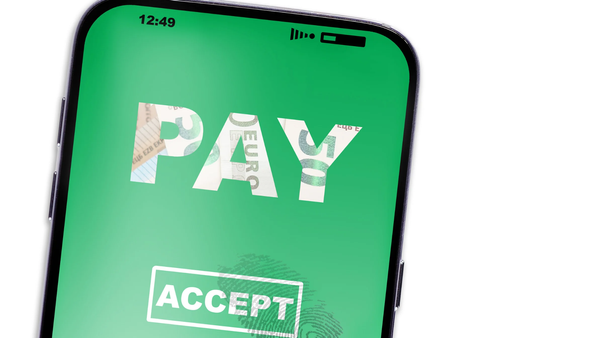
Your teenager wants to split a restaurant bill with friends, pay someone back for concert tickets or buy something from a seller on social media. Having their own payment app, such as Venmo or Cash App, makes all of this easier and gives them a little more independence with money.
But before they start sending and receiving payments, there's something worth talking about: scams.
Here are some of the most common payment app scams your teen should know about, and what you can do to help them avoid losing money.
Key takeaways:
- Common payment app scams include fake sellers, impersonation, fraudulent payment requests and fake giveaways.
- Scams often start on social media, messaging apps or online marketplaces, not in the payment app itself.
- Before sending money, check who you're paying and whether the payment method offers purchase protection.
- If your teen gets scammed, report the transaction immediately. Recovering money isn't always possible.
6 common payment app scams targeting teens
Scammers may approach teenagers on Instagram, Snapchat, gaming platforms or online marketplaces and convince them to send money through a payment app. Once the money is sent, getting it back can be difficult.
1. Fake sellers and online shopping scams
Your teen finds sneakers at a great price, a sold-out concert ticket or a rare gaming item. The seller seems legitimate and asks to be paid through a payment app.
Your teen sends the money, but the item never arrives and the seller disappears.
What to tell your teen: Be careful when buying from strangers online. Check the seller and use payment methods with buyer protection. If someone insists on a direct transfer instead of the platform's checkout, don't pay.
2. Fake payment requests from friends
A friend sends a message asking to borrow money or pay their share of a group expense. Nothing unusual, except the friend's account may have been hacked.
Scammers use compromised social media and messaging accounts to ask friends and contacts for money.
What to tell your teen: If a friend unexpectedly asks for money, especially urgently, call them or check in person before sending anything.
3. Fake giveaways and promises of free money
Your teen sees a giveaway on social media or receives a message saying they've won money, a phone or a gift card. To claim the prize, they first need to pay a small fee.
Another version promises to multiply their money: send $20 and get $200 back.
What to tell your teen: If someone asks you to pay a fee to collect a prize you've supposedly won, it's a scam.
4. Accidental payment and refund scams
Money arrives from an unknown sender, followed by a message apologizing for the mistake and asking for it back. The original payment may have come from a stolen account or card. If it's later reversed, the person who sent the refund could lose their own money.
What to tell your teen: Don't spend the money or send it back through a new transaction. Contact the payment app's official support team and ask them to handle it.
5. Fake payment app security alerts
A text or email warns your teen that someone has accessed their payment account or that it needs urgent verification. The message includes a link to a fake login page where scammers try to steal passwords, verification codes or payment details.
What to tell your teen: Don't click links in unexpected account alerts. Open the payment app directly to check for problems, and never share passwords or verification codes.
6. Fake payment confirmations
Selling old sneakers, clothes or gaming items online? A buyer may claim they've already paid and send a screenshot as proof. But screenshots can be faked. Some scammers also send fake emails claiming the payment is pending until the seller ships the item or pays a fee.
What to tell your teen: Always check the payment app directly to confirm the money has arrived. Don't trust screenshots or emails as proof of payment.
How to set up a payment app safely for your teen
Before choosing an app, check its minimum age requirements. Some services offer supervised accounts for teenagers, while others are intended for adults.
Then, spend a few minutes setting it up together.
- Secure the account. Use a strong, unique password, enable multifactor authentication and turn on PIN or biometric confirmation for payments, where available.
- Review privacy settings. Some apps let other users see payment activity. Make transactions private where possible.
- Set spending limits. Check whether the app offers a supervised teen account, transaction notifications or limits on how much money can be sent.
- Turn on notifications. Payment alerts can help spot transactions neither of you recognizes.
And agree on one thing from the start: if something goes wrong, your teenager can tell you without worrying about getting into trouble. It's much easier to deal with a scam when you find out about it quickly.
What to do if your teen gets scammed on a payment app
If your teen has already sent money to a scammer, act quickly.
- Check the transaction. Open the payment app and see whether the payment is pending, completed or eligible for cancellation.
2. Report the scam to the payment provider. Use the app's official support or reporting options and ask whether the transaction can be reversed.
- Contact the bank or card issuer. If the payment was funded through a linked bank account or card, explain what happened and ask about possible recovery options.
- Secure the account. If your teen shared a password, verification code or other account information, change the affected credentials and review recent activity.
- Keep the evidence. Save messages, usernames, transaction details and screenshots before blocking the scammer.
- Report the fraudulent account. If the scam began on social media, a marketplace or a gaming platform, report it there too.
Avoid anyone who contacts your teen offering to recover the lost money in exchange for a fee. This may be another scam.
Of course, it's better to recognize a scam before any money is sent. And there are tools to help your family recognize suspicious messages and links.
Bitdefender Family Plans help protect your loved ones from online threats, including scams, phishing attempts and malicious websites. With Scam Copilot, family members can check suspicious messages and offers before responding or clicking a link.
But technology is only part of the solution. Your teen still needs to know when to pause, ask questions and check with someone they trust before sending money.
Find out more about your family safety plan, here.
You may also want to read:
- How to tell if your teen has a secret social media account
- Age verification for teens: Privacy risks parents should know
- Your teen outgrew parental controls. Now what? How to keep teens safe online
- What to do if your child gets scammed online: A parent’s step-by-step guide
FAQs
What payment apps can teenagers use?
It depends on their age and where they live. Apps such as Venmo and Cash App offer supervised accounts for teenagers aged 13–17 in the US, while PayPal generally requires users to be at least 18. Other countries have their own options for teen payments. Before choosing an app, check its age requirements, parental controls and spending limits.
Are payment apps safe for teenagers?
Payment apps can be safe for teenagers, but they still carry risks. Using strong account security, keeping transactions private and knowing how to recognize scams can help. For younger teens, supervised accounts and spending limits can provide additional protection.
What are the most common payment app scams?
Common scams include fake sellers, impersonation of friends, fraudulent payment requests, fake giveaways, accidental payment refund scams and phishing messages pretending to come from payment providers.
Can you get your money back if you get scammed on a payment app?
Sometimes, but recovery isn't guaranteed. It depends on the app, payment method, transaction type and circumstances. Report the payment immediately to the provider and contact your bank or card issuer if necessary.
Can scammers steal money through a payment app without knowing your password?
Scammers may trick users into authorizing payments themselves, without ever accessing their accounts. They can also use phishing, stolen credentials or account takeover to gain access. Strong account security and checking payment requests both matter.
Should parents monitor their teenager's payment app transactions?
For younger teens, supervised accounts and transaction notifications can help parents guide them as they learn to manage money. As teenagers become more experienced, parents can gradually give them more independence while keeping clear rules about unusual payments and asking for help.
tags
Author

Cristina Popov is a Denmark-based content creator and small business owner who has been writing for Bitdefender since 2017, making cybersecurity feel more human and less overwhelming.
View all postsYou might also like
Bookmarks
