How to Verify Utility Bills for Your Business and Prevent Payment Fraud

March 04, 2025
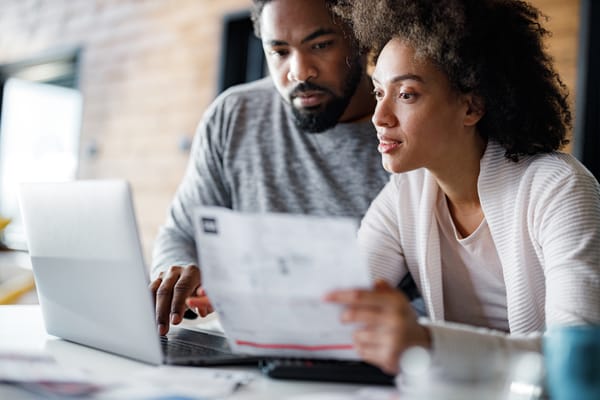
Receiving an unexpected electricity, water, gas, or internet bill can put pressure on any business, especially if it threatens immediate service disconnection. Unfortunately, scammers know this and frequently impersonate utility companies to trick businesses into paying fake invoices or revealing financial information. Here's how to verify utility bills, recognize the warning signs of fraud, and avoid costly payment scams.
Key takeaways:
- Utility scammers often create urgency by threatening immediate service disconnection.
- Always verify suspicious utility bills directly with your provider before making a payment.
- Fake utility invoices often include unusual payment methods such as gift cards, wire transfers, or cryptocurrency.
- Employee awareness and invoice verification procedures can help prevent costly payment fraud.
- Security tools that block phishing and scam websites provide an extra layer of protection.
How utility bill scams work
A common tactic is a call from someone claiming to be from your utility provider, insisting that your business is behind on payments and will be disconnected unless you act immediately. Legitimate utility companies don't operate this way, but scammers hope the fear of losing essential services will push you to pay without verifying the claim.
Here's an overview of their tactics:
- Fake Disconnection Notices (phone calls, emails, or letters): Scammers may contact you pretending to be from your gas, water, or electricity provider, warning that your service will be shut off if you don't make an immediate payment.
- Fake invoices: The documents they send often look convincing, closely resembling real utility bills with company logos and account numbers.
- Fake Refund Emails: Scammers may send phishing emails claiming you are due a refund, tricking you into clicking malicious links.
- Fraudulent Utility Assistance Programs: Some fraudsters pretend to offer government utility relief programs to steal your personal and financial information.
- Unusual payment methods: They might demand payment via wire transfers, reloadable gift cards, or cryptocurrency—methods that are difficult to trace and nearly impossible to recover.
How utility bill scams can lead to identity theft
In some cases, utility fraud goes beyond fake bills. If criminals gain access to your personal or business information, they can open new utility accounts in your name. This means they can get gas, electricity, or cable services at another address while leaving you with unpaid bills. Worse, stolen business details can be used to take out loans, file fraudulent tax returns, or open credit lines under your business name.
Related: Top 9 Utility Scams: Tips to Recognize and Avoid Them
How utility payment fraud can harm your business
Scammers use different tactics to exploit businesses through utility fraud. Here's how it can impact your company:
- Recurring fraudulent charges: If a scammer gets hold of your business's financial details, they might use them to sign up for services like cable or internet under your name, leading to unauthorized recurring charges on your business account.
- Stolen payment details: If you fall for a scammer pretending to be a utility provider over the phone, they can steal your payment information and use it to make unauthorized purchases or even open new credit lines in your business's name.
- Phishing attacks: Clicking on a phishing email disguised as a utility bill can lead to cybercriminals stealing your business's sensitive data. These emails often claim to prevent service interruptions or offer fake refunds to lure you into clicking malicious links.
- Fake government programs: Some scammers pose as representatives of government assistance programs, claiming they can help lower your utility bills. In reality, they're after your personal and business details for fraudulent use.
- Malware infections: If you click on a link in a scam email, you could inadvertently install malware on your computer, compromising your business network and exposing your financial data.
- Unauthorized facility access: Fraudsters sometimes pretend to be utility workers to gain physical access to your business premises.
How to verify a utility bill before you pay
To protect your business from utility bill scams, do not pay it until you have followed these steps:
1. Check Your Account Directly
Log in to your utility provider's official website or call their customer service using a number from their official site—not the one on the suspicious bill. Confirm whether you have an outstanding payment.
2. Compare the Bill with Past Payments
Look at previous bills and check for discrepancies. Does the due date align with your usual billing cycle? Is the amount unusually high or low? Any inconsistencies should raise concerns.
3. Verify the Contact Information
If you receive a bill from a new email address or phone number, verify it against previous communications from your actual provider. Scammers often spoof emails or phone numbers, but minor differences can expose the fraud.
4. Look for Official Payment Methods
Legitimate utility companies accept standard payment methods such as credit cards, direct bank transfers, or checks. If someone insists on cash, gift cards, or cryptocurrency, it's a scam.
5. Hang Up and Call the Utility Company Directly
If you receive a suspicious call, hang up and dial the official number listed on your bill or the company's website. Scammers often provide fake call-back numbers, so it's best to contact the company directly yourself.
6. Never Send Payments Through Untraceable Methods
Utility providers will never request payments via wire transfers, reloadable gift cards, or cryptocurrency. If someone insists on these methods, it's a clear sign of fraud.
How to protect your business from utility bill scams
If you've been targeted by a utility bill scam, report it to your utility company and the appropriate authorities to prevent others from falling victim.
If you have already made a payment, contact your bank or credit card provider immediately to see if the transaction can be reversed.
To protect your business from utility scams and other cyber threats, consider using Bitdefender Ultimate Small Business Security. It offers protection against phishing, fraud attempts, and online scams, keeping your financial and business data secure. Stay ahead of cybercriminals and safeguard your company today.
Check out our plans for small businesses.
FAQs
How do I verify that a utility bill is legitimate?
Verify the bill by logging into your utility provider's official account portal or calling customer service using a phone number from the company's website. Never rely on the contact details included in a suspicious email or invoice.
What are the warning signs of a fake utility bill?
Common warning signs include threats of immediate disconnection, unexpected invoices, requests for payment by gift card, wire transfer, or cryptocurrency, unfamiliar sender addresses, and unusually high-pressure payment deadlines.
Can businesses be targeted by utility payment scams?
Yes. Small businesses are frequent targets because scammers know that business owners may pay quickly to avoid interruptions to electricity, internet, water, or other essential services.
What should I do if I paid a fake utility bill?
Contact your bank or credit card provider immediately to report the payment, notify your utility company, change any compromised account credentials, and report the scam to the appropriate authorities.
How can small businesses prevent utility bill fraud?
Create a process for verifying invoices before payment, train employees to recognize phishing attempts, confirm payment requests with utility providers, and use cybersecurity software that blocks phishing websites and scam emails.
tags
Author

Cristina Popov is a Denmark-based content creator and small business owner who has been writing for Bitdefender since 2017, making cybersecurity feel more human and less overwhelming.
View all postsYou might also like
Bookmarks
