How to Start a Podcast for Your Small Business Without Costly Security Mistakes

January 12, 2026
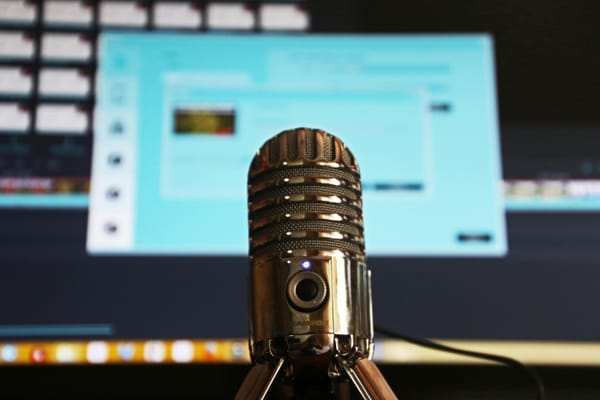
Podcasts have become one of the most effective ways for small business owners to build trust.
They’re personal, they let people hear how you think and do, and they allow you to share valuable insights from your field and expertise. A podcast might not drive sales immediately, but it helps you build authority and that authority is what often converts over time. On top of that, unlike social media posts that disappear in a day, podcast episodes can keep working for you for months or even years.
That’s why many consultants, freelancers, agency owners, and founders are considering launching a podcast to support their business. If you are one of them, keep reading.
A podcast is a digital asset, with accounts, files, platforms, and public visibility attached to it, and all of these need to be protected. If you approach it the right way from the beginning, you can grow your voice and your brand without opening the door to security headaches later.
This guide walks you through the key steps of launching a podcast for your business, with simple, practical security tips along the way.
How to protect every step of launching a podcast for your business
Step 1: Be clear about why you want a podcast
Before you buy a microphone or design cover art, ask one simple question: what role should this podcast play in your business?
For most small business owners, a podcast isn’t about going viral or becoming a full-time creator. It’s usually meant to attract future clients, position you as a trusted expert in your field, support existing services or products, or open doors to partnerships and collaborations.
This clarity matters for security reasons too. Early on, you need to decide whether the podcast is tied to you personally or to your business brand. Will it live under your business name, website, and email address, or under your personal ones?
Mixing personal and business identities is one of the most common reasons accounts become vulnerable later on. Thinking of the podcast as a business asset from the start makes everything easier to protect as it grows.
Step 2: Choose a name and protect it early
Once you have a rough idea for your podcast, naming comes next. It can be tempting to fall in love with a name right away, but it’s worth doing a quick check before committing to it.
Take a few minutes to search for the name on major podcast platforms, see whether the matching social media handles are available, and check if a relevant domain name is free.
At this stage, many small business owners also wonder whether they should name the podcast after their business or give it a more standalone name. Using your business name can make branding simpler and help listeners immediately connect the podcast to your services. On the downside, it can feel limiting if the podcast’s direction changes or if you want to speak more broadly than your current offer allows.
A separate podcast name gives you more flexibility and creative freedom, but it usually requires a bit more effort to clearly link the show back to your business. There’s no universal right choice, the key is to choose what fits you best.
Even if you don’t plan to use every platform right away, securing your podcast name early can save you trouble later. It reduces the risk of impersonation, copycat accounts, and confusion for listeners who are trying to find the real show.
Related: What Is An SSL Certificate And 6 Reasons Why Your Small Business Website Needs One
Step 3: Set up podcast accounts safely from day one
To launch a podcast, you’ll need to create a few accounts before your first episode ever goes live. Most small businesses choose a hosting platform such as Spotify for Podcasters, Buzzsprout, Libsyn, or Podbean. These platforms handle your audio files and distribute episodes to listening apps like Spotify, Apple Podcasts, Google Podcasts, and Amazon Music. Many podcasters also use YouTube to reach people who prefer video or visual formats.
A few simple rules make a big difference here:
- Use a dedicated business email address. It helps keep ownership clear and reduces the risk of losing access later. It also makes it easier to manage passwords, recovery emails, and notifications in one place.
- Create strong, unique passwords (don’t reuse old ones) and turn on two-factor authentication wherever it’s available.
- Avoid sharing one login across multiple people. If you’re working with an editor, a co-host, or a marketer, shared credentials are one of the most common reasons small businesses get locked out of their own accounts.
Related: How to Work Safely with Polyworkers, Contractors and Freelancers
Step 4: Record, edit, and store audio files securely
Podcasting creates a lot of files: raw recordings, edited episodes, backups, and often transcripts — all stored somewhere, usually in the cloud.
Audio recordings can include sensitive business discussions you didn’t plan to make public. Transcripts are searchable and much easier to misuse if they’re leaked. And free tools don’t always explain clearly how long they store your data or what happens to files after processing.
Good habits:
- Store files in secure cloud folders with limited access
- Share files only with people who genuinely need them
- Delete recordings, drafts, and transcripts you no longer use
- Think of podcast files the same way you’d think about client documents
Even with good storage habits, files can be deleted by mistake, synced incorrectly, or lost if an account is compromised. Keeping backups of important recordings and finished episodes in a separate, secure location gives you a safety net and helps ensure one technical issue doesn’t wipe out weeks of work.
It’s also worth being aware of ransomware — attacks that lock or encrypt files and block access unless a ransom is paid. For a podcast, that can mean losing recordings or episodes just before publishing.
Related: Account Takeover Attacks on Social Media: A Rising Threat for Content Creators and Influencers
Step 5: Be intentional with guests and interviews
Guests can add huge value to a business podcast, but they also introduce new risks if expectations aren’t clear.
Before recording:
- Confirm consent in writing (an email is often enough)
- Be clear about where the episode will be published
- Avoid recording private or confidential details “just in case”
- Agree on how the content can be reused, for example, in clips, newsletters, or social media
From a security and reputation point of view, clarity protects both sides. It reduces misunderstandings, prevents disputes, and helps avoid uncomfortable situations later, especially once the episode is public and easy to share.
Step 6: Publish and promote without falling for common scams
Once your podcast is live, promotion begins. That’s also when many small business owners start receiving phishing emails and scams related to their show. These messages might warn about copyright violations, claim to come from podcast platforms, or offer sponsorships and collaborations that sound flattering but require upfront fees or ask for login details.
If an email creates a sense of urgency or asks for credentials, payments, downloads, or immediate action, pause and double-check before doing anything. Legitimate platforms don’t pressure you into rushed decisions.
Visibility is great for business, but it often comes with increased exposure to scams; staying alert is part of growing publicly.
Step 7: Plan for growth
A podcast often starts as a side project and slowly becomes something bigger. Over time, you may notice more listeners, more inbound messages, and more public exposure than you initially expected. What begins as a way to share ideas can turn into a recognizable part of your business identity.
As that happens, your podcast becomes part of your brand’s surface area, alongside your website, email, and social media accounts. It also becomes part of your reputation. Episodes can be shared, quoted, taken out of context, or used to form opinions about your business long after they’re published.
As visibility grows, so does the importance of protecting your accounts, your content, and the way your business appears publicly.
Related: Your Face, Your Voice, Your Business—The Rise of AI-Driven Identity Fraud and How to Stop It
How the right security setup protects your business and your podcast
Most small business owners don’t have the time (or the headspace) to keep an eye on every account, file, and message connected to a podcast. You’re recording, editing, publishing, replying to emails, all while still running your business.
Bitdefender Ultimate Small Business Security helps protect the parts of your podcast project that are easy to overlook. It protects the devices you record and edit on, blocks phishing and scam emails, helps prevent account takeovers and identity misuse, and reduces the risk of impersonation as your visibility grows.
When you combine creativity with a few smart security habits from the beginning, your podcast becomes a protected business asset that can grow with you.
Try Bitdefender Ultimate Small Business Security for free for 30 days.
FAQs
1. Is it worth starting a podcast for a small business?
Yes, for many small businesses it can be. A podcast helps build trust, showcase your expertise, and stay visible over time. It may not drive sales immediately, but it can support your marketing, partnerships, and reputation in a way that short-lived content often can’t.
2. Can podcast accounts or episodes be hacked?
Yes. Podcast hosting accounts, email inboxes, and connected social profiles can be compromised if passwords are reused, two-factor authentication isn’t enabled, or access isn’t managed properly. These are common entry points for attacks, especially as visibility grows.
3. Is it safe to use free podcast hosting platforms?
Many free podcast hosting platforms are legitimate and safe to use, especially when you’re just starting out. The key is not the price, but how you secure the account: use a dedicated business email, strong unique passwords, and two-factor authentication wherever possible.
4. What happens if I lose access to my podcast accounts?
Without proper setup, regaining access can be difficult and time-consuming. That’s why it’s important to use business-owned email addresses, keep recovery options up to date, and back up important recordings and finished episodes.
5. Can a podcast affect my business reputation or attract scams?
As your podcast gains visibility, it becomes part of how people perceive your business. Episodes can be shared, quoted, or taken out of context, and increased exposure can also attract scams such as fake sponsorship offers or impersonation attempts. Being mindful of what you publish and protecting your accounts helps ensure your podcast strengthens your reputation instead of putting it at risk.
tags
Author

Cristina Popov is a Denmark-based content creator and small business owner who has been writing for Bitdefender since 2017, making cybersecurity feel more human and less overwhelming.
View all postsYou might also like
Bookmarks
