Google expands Android scam protection with AI checks for texts and calls

October 16, 2026
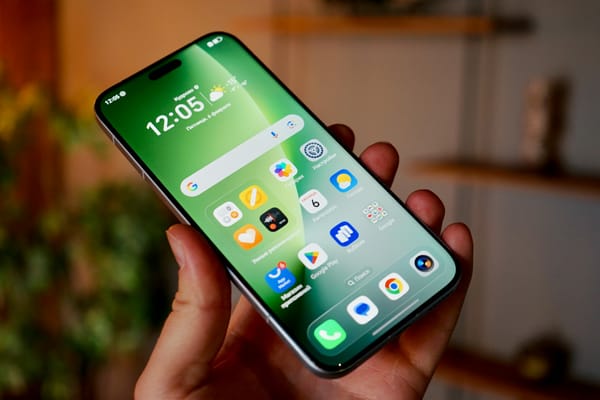
Google is adding AI-assisted scam detection to Messages as well as new Android safeguards against risky links, fake bank calls and screen-sharing abuse.
Key takeaways
- Google Messages is gaining an opt-in Enhanced protection mode for sophisticated scams
- On-device AI will check unfamiliar links on supported phones
- Android is adding screen-sharing safeguards and protections against call-forwarding fraud
- Rollouts vary; software updates alone can’t stop every scam
Google is strengthening Android's defenses against mobile fraud, targeting the places where scammers exploit trust: ordinary chats, convincing bank calls and requests to change phone settings.
Google says its existing defenses for Phone by Google and Google Messages already flag more than 5 million suspected scam calls and texts each month. The latest improvements, announced Oct. 14, will arrive in stages rather than through a single universal Android update.
Google Messages gets smarter about suspicious conversations
Google Messages' optional Enhanced protection mode will use Gemini AI to spot suspicious patterns in conversations with unknown senders, including slow-moving scams that begin with routine small talk. The company says cloud analysis takes place within encrypted Private AI Compute, designed to prevent Google from accessing the content.
With Enhanced protection switched on, supported phones will also use Gemini Nano and real-time web signals to assess unfamiliar links. Stronger warnings will urge users to reconsider opening links from unsaved numbers, while suspicious-chat alerts previously available on Pixel will reach more Android brands later this year.
Android tackles call-forwarding and screen-sharing scams
Another measure will conceal password and payment fields in Chrome and Android WebView during live screen sharing, frustrating fraudsters who persuade people to share their screens. Google says this safeguard is rolling out to Android 15 and newer devices in October.
New restrictions will stop apps from stealthily enabling call forwarding, with warnings before users enter forwarding codes. These protections start reaching selected devices in December. Separately, Google's verified financial calls feature checks calls against participating banks and can thwart impersonation attempts. Google reports over 3 million blocked spoofed calls at two Brazilian banks since June.
Why Android updates alone aren't enough
These measures are valuable, but availability varies by device and feature, and Enhanced protection requires users to switch it on. Even a fully updated phone cannot reliably prevent someone from handing over a verification code or approving a fraudulent transfer.
Keep Android and your apps updated, but verify unexpected payment requests independently using a number obtained from the bank or company's official website. Last but not least, never share passwords, one-time codes or your screen with an unverified caller.
Bitdefender Mobile Security for Android can flag scam links in texts and notifications, block phishing sites, scan apps and filter suspicious calls. While Mobile Security for Android includes limited VPN traffic, Bitdefender Premium VPN provides unlimited encrypted traffic for connection privacy, particularly on public Wi-Fi. Keep in mind that a VPN can’t identify fraudulent callers but is an excellent way to keep your identity private while connected to the Internet.
tags
Author

Vlad's love for technology and writing created rich soil for his interest in cybersecurity to sprout into a full-on passion. Before becoming a Security Analyst, he covered tech and security topics.
View all postsYou might also like
Bookmarks
