Russia intensifies block on WhatsApp and Telegram to boost state messaging app

February 13, 2026
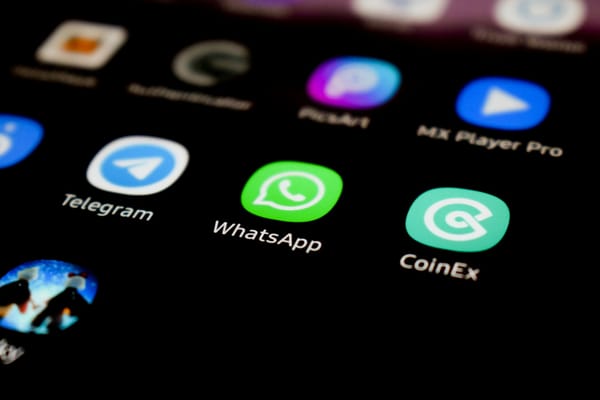
Russia moves to block WhatsApp and throttle Telegram, steering users to a government-backed messenger amid tightening internet controls.
DNS moves and escalating restrictions
Russian authorities have stepped up efforts to curb access to foreign messaging platforms, with WhatsApp emerging as the latest target. The company confirmed that the government recently tried to impose a full block on its services, describing the move as a setback for secure communication in Russia.
Today the Russian government attempted to fully block WhatsApp in an effort to drive people to a state-owned surveillance app. Trying to isolate over 100 million users from private and secure communication is a backwards step and can only lead to less safety for people in Russia.…
— WhatsApp (@WhatsApp) February 12, 2026
WhatsApp's post on X toward its Russian users regarding service block attempts
Reports indicate that Russia’s communications regulator, Roskomnadzor, already removed key WhatsApp domains from the national domain name system (DNS), effectively disrupting access for users relying on domestic routing. To maintain connectivity, this forces users to turn to virtual private networks (VPNs) or alternative DNS resolves – tools that themselves face mounting scrutiny.
A pattern of progressive limitations
The latest developments follow months of incremental restrictions. Authorities previously throttled WhatsApp’s voice and video call functionality and reportedly sought to prevent new users from signing up later in the year. Meta, WhatsApp’s parent company, has been labeled an “extremist” organization in Russia since 2022, further complicating its operational standing.
Kremlin representatives have signaled that the service could resume under full compliance with local legislation. However, such conditions would likely entail stricter data localization and content-control requirements, reinforcing Moscow’s broader strategy of digital sovereignty.
Telegram also in the crosshairs
To complicate matters further, WhatsApp is not alone. Telegram has reportedly suffered significant throttling, which sparked a public response from founder Pavel Durov, who accused authorities of trying to funnel users toward a state-controlled alternative.
Russia is restricting access to Telegram to force its citizens onto a state-controlled app built for surveillance and political censorship. This authoritarian move won’t change our course. Telegram stands for freedom and privacy, no matter the pressure.
— Pavel Durov (@durov) February 10, 2026
Pavel Durov's post on X regarding Russian Telegram restrictions
That alternative appears to be MAX, a messaging app developed by VK and mandated on electronic devices sold domestically since September 2025. While officials try to position MAX as a secure national platform, independent observers have questioned its encryption robustness and warned about potential surveillance and data-collection concerns.
For now, Russian users can still bypass blocks through VPN services, though those channels remain vulnerable as regulatory pressure intensifies.
tags
Author
Vlad's love for technology and writing created rich soil for his interest in cybersecurity to sprout into a full-on passion. Before becoming a Security Analyst, he covered tech and security topics.
View all postsYou might also like
Bookmarks
