FBI warns of rising bank spoofing calls as scam callers drain accounts and nearly fool ABC7 anchor

May 08, 2026
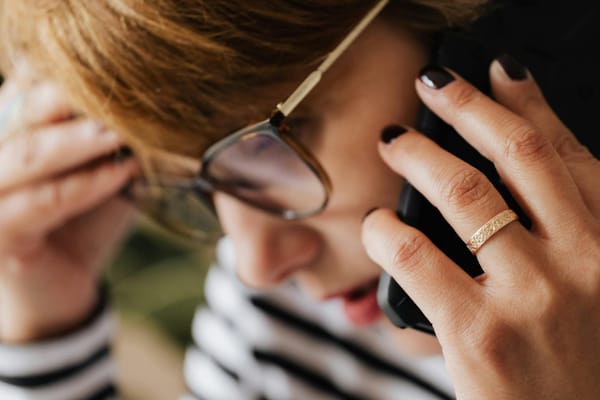
A recent ABC7 Chicago investigation reveals how sophisticated banking spoofing scams are draining victims’ accounts, with criminals impersonating banks, Zelle representatives, and even federal agents. The scam is so convincing that it nearly fooled ABC7 anchor Rob Elgas, highlighting just how far such operations have evolved.
And this isn’t happening in isolation. The FBI has recently warned that spoofing and impersonation scams are on the rise, with criminals increasingly posing as banks and government agencies to pressure victims into moving their own money into “safe” accounts controlled by attackers.
Key takeaways
- Caller ID can be faked. Scammers can spoof legitimate bank phone numbers to appear trustworthy.
- Banks will never ask you to move money to “protect” it.
- Victims lost thousands of dollars through Zelle and bank transfers for believing they were speaking to fraud investigators.
- The FBI says phishing and spoofing scams were the most reported IC3 complaint category in 2025, with more than 191,000 complaints and over $215 million in reported losses.
- Mobile scam protection tools and independent verification can help stop fraud before money is lost.
A Chase customer lost $40,000 after seeing the real bank number
The scam recently made headlines after ABC7 Chicago investigated several incidents involving Chase and Huntington Bank customers who lost thousands of dollars. Even veteran ABC7 anchor Rob Elgas nearly became a victim himself.
According to the news outlet, a woman from Illinois got a call that looked like it came directly from Chase’s fraud department.
“The first call I got, it was the number on the back of my Chase debit card,” she told ABC7.
The scammers sounded convincing because they already had sensitive details about her account. According to the report, they knew her account number and balance “down to the penny.” They also pretended to involve the FBI, even providing fake agent or badge numbers.
The criminals claimed Chase employees were illegally accessing customer accounts and instructed her to move her money into a supposedly “secure” account for protection.
Believing she was protecting her savings, the woman transferred nearly $40,000. The money was gone by the next day.
Another Victim Was Told to ‘Upgrade’ Her Zelle Account
Another customer received a spoofed call from someone claiming to work with Zelle and Huntington Bank.
The caller told her she needed to upgrade to a Zelle business account to continue receiving payments. Because the scammer already had some of her banking information, the story sounded believable.
She was ultimately persuaded to send $5,000 through Zelle to keep the money “safe.”
Like many authorized transfer scam victims, she reportedly received no reimbursement because she technically approved the transaction herself.
Even ABC7 anchor Rob Elgas nearly sent the money
ABC7 anchor Rob Elgas said he spent 34 minutes on the phone with scammers posing as Chase representatives.
The fraudsters instructed him to send an “employee FDIC inspector number” through Zelle to supposedly secure his account. In reality, the “employee number” was actually a dollar amount disguised as a payment request.
Elgas said he only realized something was wrong at the final moment when the Zelle screen displayed a payment amount instead of an employee identifier.
"And immediately when I saw the dollar amount in the Zelle payment, I knew I nearly got scammed,” Elgas said.
Why bank spoofed calls are so dangerous
According to the FBI, scammers often gather personal and banking information through data breaches, phishing campaigns, malware infections, stolen databases, or information sold on dark web marketplaces. Some criminals may also abuse automated banking systems to verify balances and recent transactions, helping them sound legitimate during calls.
What makes these scams especially dangerous is the combination of caller ID spoofing using legitimate bank phone numbers, government or authority impersonation, detailed account knowledge as well as pressure to act quickly.
Robert Richardson, a special agent with the FBI Chicago Field Office, explained that victims are often rushed into making decisions while emotionally overwhelmed.
The FBI has warned separately that scammers are increasingly impersonating federal agents and collaborating with fake bank representatives to steal money and sensitive information from victims.
How to stay safe from bank spoofing calls
The safest thing you can do during an unexpected banking call is slow the conversation down and verify independently.
Here are some important ways to protect yourself:
- Never trust caller ID alone. Scammers can spoof legitimate bank phone numbers, including the number on the back of your debit card.
- Hang up and call back yourself. If someone claims to be from your bank, end the call and dial the official number directly from your banking app or card.
- Never move money to a “safe” account. Legitimate banks and the FBI never ask you to transfer money through Zelle, wire transfers, crypto, or gift cards to “protect” your funds.
- Don’t share verification codes or passwords. Fraudsters often try to steal one-time passcodes to take over accounts in real time.
- Watch for pressure tactics. Scammers often create fake emergencies involving fraud alerts, account freezes, or criminal investigations.
- Protect your phone first. Scam calls, phishing texts, and malicious links increasingly target smartphones directly.
- Use free scam detection tools like Bitdefender Scamio and Link Checker. If you receive a suspicious text message, banking email, social media message, or phishing link, tools like Scamio can help analyze the content before you interact with it.
- If an unknown number keeps calling, Bitdefender’s free Reverse Phone Lookup tool can help determine whether a number has been associated with spam, scams, or suspicious activity.
For Android users, Bitdefender Mobile Security includes a Call Protection feature that helps detect and block scam and spam calls before criminals can manipulate victims into transferring money or revealing sensitive information. The feature uses Bitdefender threat intelligence and community-driven detection systems to flag suspicious calls, including known scam operations and spoofing attempts.
You can read more about Bitdefender’s Call Protection feature here.
tags
Author

Alina is a history buff passionate about cybersecurity and anything sci-fi, advocating Bitdefender technologies and solutions. She spends most of her time between her two feline friends and traveling.
View all postsYou might also like
Bookmarks
