Most Common Airbnb Scams by Hosts and Guests (and How to Avoid Them)

August 28, 2024
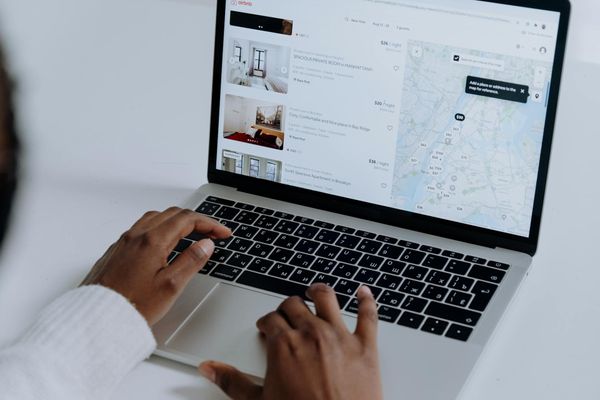
Airbnb can be a convenient way to travel or earn extra income, but the platform’s trust-based model also creates room for scams that target both guests and hosts. From fake listings and bait-and-switch bookings to overpayment tricks, phishing links, and off-platform payment requests, the biggest risks often begin the moment someone steps outside Airbnb’s built-in protections.
Key Takeaways
- Guests face some of the most familiar Airbnb scams, including fake listings, bait-and-switch properties, off-platform payment requests, false damage claims, and even hidden camera abuse.
- Hosts are targeted too, with common threats such as unauthorized guests, fake profiles, overpayment scams, suspicious cancellation patterns, and phishing links sent through fake inquiries.
- The clearest red flags on both sides include vague listings, incomplete profiles, brand-new accounts, suspicious links, slow responses, and deals that seem too good to be true.
- The safest habits are straightforward: keep all payments and communication on Airbnb, verify listings and profiles carefully, document everything, and report suspicious behavior through the platform immediately.
Airbnb has grown on the promise of providing unique, affordable, and homey accommodations for travelers worldwide. However, not every booking goes smoothly. Beneath the surface of five-star reviews and polished photos, some guests have been caught in scams, ranging from inconvenient to downright terrifying. These scams include nonexistent listings, surprise fees, and hosts who disappear at the last minute. On the other side, hosts have also been scammed by criminals posing as well-intentioned travelers.
These experiences serve as a reminder that even in the era of peer-to-peer everything, it pays to be cautious. Learn how to spot these scams on the platform and protect yourself from falling into a costly trap, whether you're a host or a guest.
Did you know?
- Airbnb is operating in 191 different countries.
- The platform has 7.7+ million global active listings.
- There are 5+ million hosts worldwide and more than 150 million worldwide users that have booked over 1.5 billion stays.
- The current average price per night globally on Airbnb is $137 per night.
Common Airbnb Acams by Hosts
Fake Listings
Imagine arriving at your destination only to discover that your "cozy apartment" is a storefront or an empty lot. This type of scam involves hosts creating fake listings with bogus addresses. Scammers may use stock photos, manipulated images, or misleading descriptions to lure you in.
How to Avoid It: Before booking, ask for the property's address and look it up on Google Maps. Use Street View to confirm that the location matches the listing.
You can also run the images through Scamio to see if they appear in other contexts.
You can send Scamio any texts, messages, links, QR codes, or images, and it will analyze them to determine if they are part of a scam. Scamio is free and available on Facebook Messenger, WhatsApp, and your web browser.
Help others stay safe by sharing Scamio with them in France, Germany, Spain, Italy, Romania, Australia, and the U.K.
Too Good to Be True
If a listing offers a luxury property at a rock-bottom price, it might be too good to be true. Scammers often use heavily edited or photoshopped images to make a less desirable property seem much more attractive.
How to Avoid It: Ask the host for additional photos or a video tour if something feels off. Also, compare prices in the area to ensure the rate aligns with the local market.
Bait-and-Switch
This scam occurs when a host offers a great property at a competitive price but switches you to a different, less desirable location just before your arrival, citing reasons like maintenance issues or double-booking.
How to Avoid It: To guard against this, carefully read reviews, communicate openly with the host, and consider doing a reverse image search. If something doesn't feel right, it's better to move on to another listing.
Paying Outside the Airbnb Platform
Some hosts may ask you to pay through methods other than Airbnb, promising discounts or perks. This is a red flag, as it removes your transaction from Airbnb's protections.
How to Avoid It: Always pay and communicate through Airbnb. The platform holds your payment until after you check in, offering a layer of security. If a host insists on alternative payment methods, it's best to decline and report the situation to Airbnb.
Related: What are Zelle scams, and how to avoid them
Cash app scams: How to stay safe and what to do if they happen to you
How do Venmo scams work, and how to avoid them
False Damage Claims
After checkout, a host might accuse you of causing damage and demand compensation. While legitimate claims happen, some hosts use this tactic to extract money from guests unfairly.
How to Avoid It: Document the condition of the property with photos or videos when you arrive and send any preexisting issues to the host via Airbnb's messaging system. If you receive a damage claim, respond promptly with your evidence.
Hidden Cameras
Airbnb allows hosts to use cameras in public or common areas, but not in private spaces like bedrooms or bathrooms. Unfortunately, some hosts may violate this rule, placing hidden cameras where they don't belong.
How to Avoid It: Upon arrival, check for any disclosed cameras and ensure they're not in private areas. Look for unusual electronics or small holes that might indicate hidden devices. If you discover anything suspicious, contact Airbnb immediately.
Related: How Hackers Hijack Hotel Accounts on Booking.
Common Airbnb Scams by Guests
Unauthorized Guests
Sometimes, guests book for a certain number of people but sneak in extra guests without your knowledge. This can lead to unexpected wear and tear or even unauthorized parties.
How to Avoid It: Communicate with guests before accepting their booking. Ask questions to get a better sense of who they are. If something feels off, don't hesitate to decline the booking. Consider installing a video doorbell to monitor who enters and exits your property without violating Airbnb's privacy rules.
Communication Outside Airbnb
It could be a red flag if a guest asks to communicate outside the Airbnb platform, like through text or WhatsApp. They might be trying to avoid fees or bypass Airbnb's protections, which can lead to scams.
How to Avoid It: Keep all communication and transactions within Airbnb. This ensures that your booking is covered by Airbnb's protections, keeping your money and property safe.
Related: The 7 most common WhatsApp scams and how to avoid them
Fake Profiles
Scammers sometimes create fake profiles to book properties. These fake guests might throw parties, damage your home, or refuse to leave.
How to Avoid It: Be cautious of profiles with minimal information, no photos, or no reviews. Look for guests with detailed profiles and positive reviews from other hosts. You can also ask potential guests to provide more information about themselves before accepting a booking.
The Overpayment Scam
In this scam, a guest overpays for their booking and asks for the difference to be refunded via a third-party service like PayPal or Venmo. The catch? Their original payment method is likely fraudulent, leaving you out of pocket.
How to Avoid It: If a guest offers to overpay, be wary and stick to Airbnb's payment system. Don't send refunds through external payment platforms.
Related: PayPal Text Scams: How to Spot and Avoid Them
Last-Minute Cancellation Scam
Some guests may book your property and then cancel at the last minute, often with an excuse like a sudden illness. They might do this repeatedly, hoping to pressure you into giving an unwarranted refund.
How to Avoid It: Be mindful of patterns in cancellations. If a guest cancels repeatedly with similar excuses, it's best to report the behavior to Airbnb.
Fake Airbnb Inquiries
In this scam, a guest sends a message that includes a link, claiming it leads to their profile or additional photos. Clicking the link could expose you to malware or phishing attempts.
How to Avoid It: Avoid clicking on any external links sent by potential guests. Always navigate directly through Airbnb's platform to access profiles and messages.
Red Flags for Hosts and Guests
When booking or hosting on Airbnb, staying vigilant can help you avoid a negative experience. Here are some red flags to watch out for:
Vague Listings
A well-crafted listing provides clear details about the property—its amenities, location, number of rooms, and overall vibe. If a listing is sparse on details, it might be a sign to steer clear.
Incomplete Guest Profiles
If a potential guest's profile is missing basic information or lacks reviews from other hosts, this could be a red flag. Scammers often use incomplete profiles to conceal their true identity.
New Listings
Booking a property with no reviews can be risky. While new listings aren't automatically scams, they come with uncertainty. If you decide to proceed, make sure to communicate with the host and ask plenty of questions to gauge their legitimacy.
Brand-New Guests
A new guest might be just that—new. But they could also be a scammer using a freshly created profile. Before accepting a booking, consider looking up the guest on social media, ask for a photo, and send a few questions to learn more about them.
Suspicious Links
Whether you're on Airbnb or elsewhere, never click on unfamiliar links. Scammers often use phishing tactics to steal personal information, including credit card details and account logins.
Related: Phishing Scams: How to Identify and Avoid Them
Slow Host Responses
Good hosts typically respond within a few hours, even though they technically have 24 hours to accept or decline a request. If a host is slow to reply, especially after you've made a payment, it might be a sign they're not reliable—or worse, that they're ghosting you.
How to Avoid Airbnb Scams
Staying safe while using Airbnb requires a bit of vigilance and following best practices. Here are some tips to help you avoid common scam
Book with Airbnb Superhosts. Choosing a Superhost can significantly reduce your risk. Superhosts are experienced hosts with a 4.8+ overall rating, known for providing excellent stays, responding promptly, and rarely canceling reservations.
Practice Strong Online Security. Ensure your Airbnb account is protected by using strong, unique passwords. Consider using a password manager to keep your login information secure. Always keep your communication within Airbnb's platform and avoid sharing sensitive details outside of it.
Stick to Verified Discounts and Offers. Be cautious when hunting for deals. Stick to discounts and offers from Airbnb partners or well-known programs like airline reward systems. Avoid third-party sites or unsolicited offers, as they might be scams.
Keep All Transactions on Airbnb. Always make payments through the Airbnb platform. If a host requests payment via wire transfer, PayPal, or any other method outside of Airbnb, it's a red flag. Report such requests to Airbnb immediately.
Consider Guest Favorites. Look for listings with the Guest Favorite badge, indicating high ratings and low cancellation rates. This can help ensure a better experience.
Request a Virtual Tour. If you're uncertain about a listing, ask the host for a virtual tour. While Airbnb doesn't allow videos on listings, hosts can provide a tour upon request. This can give you a better sense of the property before committing.
Confirm the Legality of the Listing. In some destinations, Airbnb hosts need a business license or registration number. If you're traveling internationally, customs might ask for this information. Verify that your host has the necessary credentials to avoid any last-minute issues.
Avoid Last-Minute Bookings. Whenever possible, book your stay well in advance. This gives you more time to research the property and avoid being rushed into a decision. Booking early also gives you more options and reduces the risk of encountering fraudulent listings.
Related: 10 Tips to Help You Avoid Online Scams When Booking Your Holiday
Blacklist and Block Scammers on Airbnb
In February 2024, Airbnb introduced verified icons for listings in the U.S., Canada, the U.K., France, and Australia, which has already led to the removal of 59,000 fraudulent listings this year. While this is a step in the right direction, it's essential to remember that not every host or guest on the platform has good intentions.
If you encounter a guest who raises red flags or suspect someone might be a scammer, Airbnb offers tools to protect yourself by blacklisting or blocking these individuals from booking your property in the future.
1. Start by Reporting Suspicious Behavior:
- Open your conversation with the suspicious user on Airbnb.
- Click the 'report' button to flag inappropriate messages or any behavior that seems off.
- Select a reason for your report from the dropdown menu and add any relevant details. This helps Airbnb investigate the issue thoroughly.
2. Block the User:
- After reporting, you can block the user by going to their profile and selecting the 'block' option. This action prevents them from making future bookings or contacting you through the platform.
By taking these steps, you're not only safeguarding your property but also contributing to the overall security of the Airbnb community. Once reported, Airbnb will review the case and take necessary actions, which could include suspending or removing the user's account.
Frequently asked questions (FAQ)
How do you tell if someone is scamming you on Airbnb?
The biggest red flags are the same ones Airbnb and the FTC both warn about: the person pushes you to pay outside Airbnb, wants to move the conversation off-platform, pressures you to act fast, or offers a deal that looks unusually cheap for the property. Fake listings, copied photos, and requests for wire transfers, gift cards, or other hard-to-reverse payments are especially strong warning signs.
Are there any scams going on with Airbnb?
Yes. Airbnb explicitly has policies against scams, misrepresentation, fake documents, false claims, and deceptive behavior on the platform, which reflects the fact that these risks are real enough to police directly. The FTC also continues to warn about vacation rental scams, including fake listings and hijacked legitimate accounts used to trick travelers into paying before they realize the rental is not real.
Will Airbnb refund me if scammed?
Not in every case. Airbnb’s help guidance makes clear that keeping payment on Airbnb matters, because off-platform or cash payments can limit Airbnb’s ability to help with disputes. So the practical answer is: you may have more protection if you booked and paid entirely through Airbnb, but you should not assume Airbnb will refund every scam loss automatically, especially if you went outside its payment system.
Is it hard to get scammed on Airbnb?
Airbnb has safety features, reviews, secure messaging, and platform rules that reduce risk, but it is still very possible to get scammed if you ignore the guardrails. Most Airbnb scams work by getting people to step outside the platform’s protections, rush a payment, trust a fake listing, or rely on messages that feel personal and urgent. So it is not inevitable, but it is also not difficult if someone drops their guard.
tags
Author

Cristina Popov is a Denmark-based content creator and small business owner who has been writing for Bitdefender since 2017, making cybersecurity feel more human and less overwhelming.
View all postsYou might also like
Bookmarks
