Alabama Man Pleads Guilty to Stealing Private Photos to Extort Hundreds of Teens

March 03, 2026

A 22-year-old man has pleaded guilty to hacking into social media accounts and extorting hundreds of teenagers and young adults by threatening to expose their private images and videos.
Key takeaways:
- Jamarcus Mosley pleaded guilty to hacking social media accounts and threatening hundreds of teens and young adults.
- He gained access by impersonating trusted contacts and manipulating victims into revealing recovery credentials and passcodes in a classic social engineering strategy.
- The threats often escalated, including contacting victims’ friends or family members to increase pressure.
- Bitdefender survey data indicates younger people are twice as likely to fall victim to scams, largely due to heavy social media use.
According to documents filed in the U.S. District Court for the Northern District of Georgia, Jamarcus Mosley, 22, of Mobile, Alabama, admitted to targeting Snapchat, Instagram and other platforms to gain access to victims’ accounts — including accounts of minors —from April 2022 through May 2025.
Classic extortion scheme
Once inside, he stole private and explicit content and used it to coerce victims into sending additional explicit material, providing him with control of their accounts, or giving him money under threat of public disclosure or permanent lockout.
Mosley’s tactics were manipulative and predatory, often posing as a trusted friend to trick victims into revealing account recovery credentials, prosecutors said.
In one documented incident, Mosley accessed a woman’s Snapchat account by pretending to be a high school friend and then threatened to post a sensitive video unless she complied with his demands, prosecutors said.
In another instance, they said Mosely tricked a 17-year-old Illinois victim (identified in court as Victim-4) into sharing her “My Eyes Only” passcode, which allowed Mosley to take control of her Snapchat account.
“Mosley then demanded that Victim-4 create a new Snapchat account to chat with him, or he would post everything in Victim-4’s ‘My Eyes Only’ folder,” according to the US Department of Justice.
“Although Victim-4 created the new account, Mosley was angry that she would not use it and continued to threaten her. Mosley continued to threaten Victim-4 and used her real Snapchat account to communicate with Victim-3’s 13-year-old sister, telling her he knew where she lived by sending an image of a Snapchat map with her location.”
Sentencing is scheduled for May 27, 2026, before U.S. District Judge Michael L. Brown, who will determine Mosley’s punishment under federal sentencing guidelines for offenses including computer fraud, extortion and cyberstalking.
Similar cases
The case underscores growing concern about cybersecurity threats tied to social media exploitation — a form of criminal conduct that federal agencies have increasingly categorized as part of wider trends in online extortion and digital abuse.
In a similar trial, an Illinois man recently pleaded guilty to a phishing and hacking scheme that targeted the Snapchat accounts of hundreds of women, resulting in theft, distribution and sale of their private photos.
Advice for consumers
These cases underscore persistent cybersecurity threats on social platforms and the need for vigilance against social engineering. Attackers often exploit trust and platform mechanisms to bypass security protections designed to safeguard user accounts.
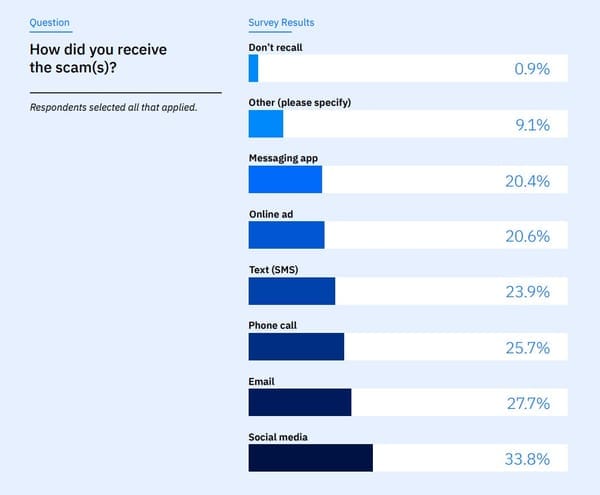
According to the Bitdefender 2025 Consumer Cybersecurity Survey, young people are twice as likely as their elders to fall victim to a scam (20% vs 9.7%). The reason? Younger generations are omnipresent on social media — now the top attack avenue for scammers.
Exercise these best practices to keep yourself and your loved ones protected from online predators:
- Never share authentication codes with anyone claiming to represent a support department
- Enable strong multi-factor authentication for all your online accounts
- Be wary of unsolicited messages claiming account issues or calling for urgent action
- Use a scam detector. Consider using Scamio if you’re suspicious of any phone call, email, or text message. Our chatbot is designed to combat socially engineered attacks.
- Educate yourself and your peers. Read the cyber-news from time to time. Keep up with how attackers are using new technologies and how defenses evolve. Friends and family — particularly younger people — may be targets of similar social engineering tactics. Sharing best practices helps protect everyone.
You may also want to read:
Hacker Accused of Stealing Women’s Private Snapchat Photos Pleads Guilty
Creator of ‘OnlyFake’ Pleads Guilty in $1.2 Million Digital ID Fraud Scheme
tags
Author

Filip has 17 years of experience in technology journalism. In recent years, he has focused on cybersecurity in his role as a Security Analyst at Bitdefender.
View all postsYou might also like
Bookmarks
