Deepfake OnlyFans accounts are scamming fans and putting creators at risk

August 11, 2026
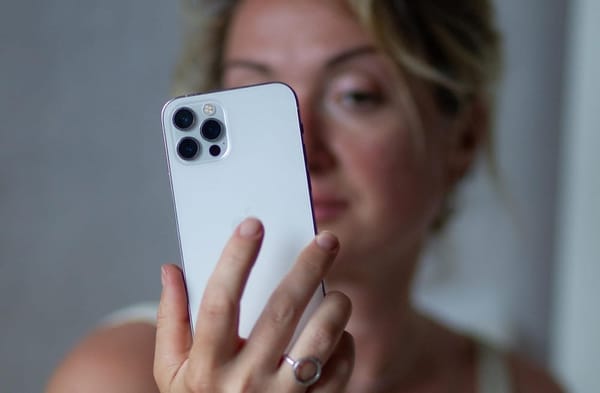
A familiar OnlyFans creator appears in your TikTok feed. She looks into the camera, speaks in a recognizable voice and invites you to continue the conversation somewhere more private. Soon, she offers exclusive content in return for a quick payment.
Except the creator never recorded the video, never sent the messages and never received the money.
According to reports, scammers are now stealing creators’ photos and videos, animating still images, cloning voices and building fake social media accounts to deceive their fans.
The fraud may begin with a synthetic video, but it ultimately relies on a combination of impersonation, emotional manipulation and hard-to-reverse payments.
Key takeaways
- Scammers are using stolen creator content, animated images and cloned voices to build convincing OnlyFans impersonations
- Fake accounts may approach fans on TikTok before moving conversations to private messaging apps such as Snapchat
- Victims are asked to pay through peer-to-peer services for exclusive content or live interactions that never arrive
- Both sides face harm: fans lose money, while creators suffer lost income, reputational damage and even threats to their physical safety
- Verify every unexpected approach through the creator’s official account and never treat a familiar face or voice as proof of identity
- Look for visual, audio and behavioral warning signs, then use a dedicated deepfake detector when a video remains suspicious
How the scam moves from a fake video to real payment
The scheme is a technologically enhanced form of catfishing. Instead of relying only on stolen profile pictures, criminals now use AI tools to make a still image appear to speak, then pair it with a synthetic version of the creator’s voice.
Scammers have used this material to create fake accounts on social platforms like TikTok. They then encourage fans to move to a direct-messaging service such as Snapchat, where the conversation is less visible and the imposter can apply pressure one-on-one.
The fake creator eventually offers exclusive content or a live interaction in exchange for payment, sometimes through Cash App, which lets users easily send, receive, and save money. Once the payment arrives, the scammer blocks the fan and disappears.
Peer-to-peer payment apps are especially useful to fraudsters because transfers can clear quickly and may be difficult to reverse.
A classic deepfake scam
A deepfake is media created with AI to make someone appear to say or do something they never said or did. It can involve a face swap, altered lip movements, a cloned voice, a fully generated scene or a mixture of authentic and fabricated elements.
In this campaign, scammers do not necessarily need a flawless, cinema-quality fake. They need just enough movement, speech and familiarity to make a stolen image feel like fresh proof that the account is genuine.
One fake TikTok video reportedly impersonating creator Elaina St. James animated a still photo and cloned her voice. The illusion was not perfect: the teeth appeared distorted and the eyebrows remained unnaturally still.
Social media viewers tend to watch short clips quickly and on small screens, making imperfections easier to miss.
Two sets of victims
Fans who send money are the most obvious victims, but the fraud also shifts blame and risk onto the person being impersonated.
Creator Jessieanna Campbell told USA Today that she regularly hears from confused fans who believe she accepted payments and then blocked them. One reported complaint involved $150.
The victim believed the face and voice belonged to the real creator, so the anger may be directed at her rather than at the unknown scammer.
The consequences can move offline. USA Today also spoke with a creator who said angry fans had come to her home, leaving her afraid to go outside at times. Impersonation can therefore cost creators income and trust while exposing them to harassment or physical danger.
A convincing face
People naturally use faces, voices and apparent live interaction as evidence of identity. Deepfakes exploit that reflex by borrowing a real person’s credibility and placing it inside a false story.
Bitdefender’s 2025 Consumer Cybersecurity Survey of more than 7,000 internet users in seven countries found that 37% consider deepfake videos a top concern regarding AI’s use in scams.
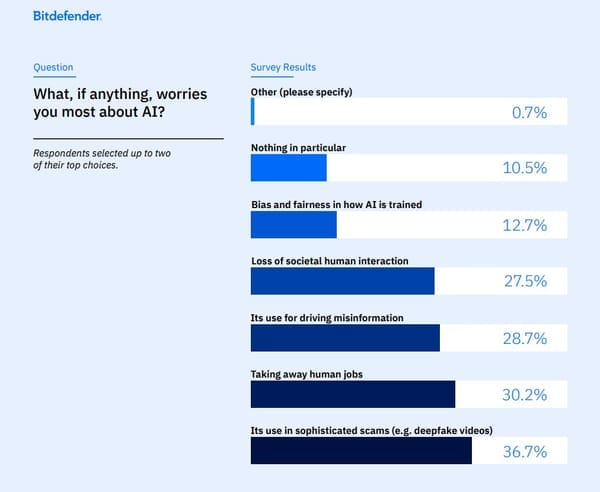
Social media was the leading scam-delivery channel, cited by 34% of respondents, while 66% said they post personal content such as photos, videos and milestones online.
That public material gives impersonators a person’s voice, expressions, routines, relationships and communication style — ingredients for a tailored scam.
How to spot an OnlyFans deepfake scam
As we explain in our guide to spotting deepfake videos, no single glitch proves that a video is fake. Compression, filters and poor lighting can also create strange effects.
Look at the source, the media and the request together.
Start with the account
Check whether the message came from the creator’s verified account or from a new profile using a similar name.
Visit the creator’s known website or official social media accounts directly rather than following a link supplied by the sender. Search for warnings about impersonators and confirm whether the creator actually uses the platform where you were contacted.
Replay the face and mouth
Slow down a short section and look to see whether the lips match the words.
Look for teeth that merge or change shape, frozen eyebrows, blurred facial edges, skin texture that shifts between frames, or hair and accessories that briefly disappear. These are reasons to investigate further, not proof by themselves.
Listen beyond the familiar voice
A cloned voice may sound recognizable despite unnatural pauses, flat emotion, missing breaths or odd pronunciation. Background noise may cut in and out while the voice remains unnaturally clean.
Do not use voice recognition alone to confirm identity.
Examine what the person wants
The behavior may expose the scam even when the video does not.
Be wary when someone quickly tries to switch you to a private chat, promises a live interaction, demands secrecy or requests advance payment through a peer-to-peer app, cryptocurrency, gift card or another difficult-to-reverse method.
Verify through a separate channel
Contact the creator only through an official account you locate independently. Do not simply ask the suspicious profile for proof of identity—the scammer controls that channel and can send more fabricated material.
For an additional check, Bitdefender RealCheck can analyze a suspicious video for signs of manipulation and deceptive intent. A detection tool should support independent verification, not replace it.
What to do if you encounter (or pay) a fake account
- Stop communicating and do not send more money or personal information
- Save the profile name, messages, payment details, video links and screenshots before the account disappears
- Report the impersonation to every platform involved
- Contact the payment provider immediately and ask whether the transfer can be stopped or disputed
- Notify the real creator through a verified channel without blame or threats
- Change any password you disclosed and enable two-factor authentication on affected accounts
- Report the fraud to the national consumer-protection or cybercrime authority
Creators targeted by impersonation should also document each account, alert followers through verified channels and avoid exposing home addresses, real-time locations or other details that could help an angry or confused fan find them offline.
Deepfake scams don't have to be perfect to work
A short synthetic video can provide a spark of credibility, while private messages, emotional attention and an urgent payment request do the rest.
If a supposed creator contacts you away from their official platform, don’t let a familiar face or voice settle the question.
Pause, inspect the account and the video, verify the approach independently and use a detection tool when needed.
Related:
Deepfakes are making romance scams harder to doubt
Is that video real? How to spot a deepfake before it fools you
The deepfake detector in your pocket: introducing Bitdefender RealCheck
tags
Author

Filip has 17 years of experience in technology journalism. In recent years, he has focused on cybersecurity in his role as a Security Analyst at Bitdefender.
View all postsYou might also like
Bookmarks
