Debt Collection Scams. Is Your Debt Collector Real or a Fraudster? Learn How to Tell

June 26, 2024
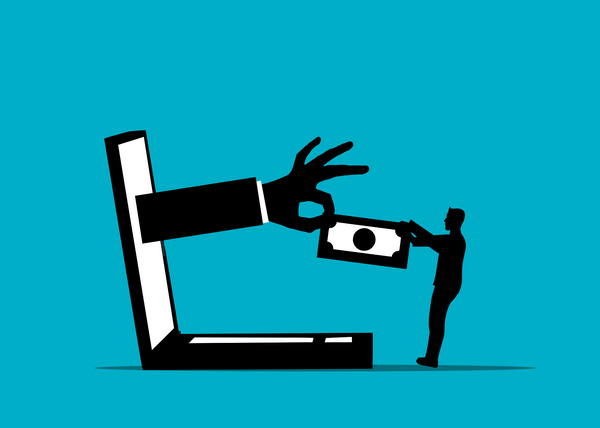
Debt collection scams exploit fear and urgency by pretending you owe money and threatening lawsuits, damaged credit, wage garnishment, or even arrest if you don’t pay immediately. Some scammers have enough personal information from data breaches to make their claims sound convincing. Before paying anything, verify the debt independently, ask for validation information, and be especially suspicious of collectors who demand unusual payment methods or refuse to provide details in writing.
Key takeaways
- Ask for written validation of the debt before making any payment, especially if you don’t recognize it.
- Legitimate collectors should be able to identify the creditor, explain the amount owed, and provide information about your rights.
- Threats of immediate arrest, demands for gift cards or cryptocurrency, and pressure to pay before verifying the debt are major red flags.
- Bitdefender Scamio can help you check suspicious debt collection texts, emails, screenshots, and payment requests before you respond.
Debt collection scams are a serious and growing issue. Scammers pose as legitimate debt collectors, using threatening tactics to intimidate people into paying debts they do not owe. They use phone calls and deceptive emails to extract money or personal information from their victims.
To get victims to transfer money, scammers threaten to report "overdue bills" to credit agencies, take legal action, or even access the victims' bank accounts without consent.
Ironically, actual debtors likely wouldn't be fooled by this scam because they have no intention of paying back their creditors. However, honest individuals might second-guess themselves, believing they might have forgotten a payment. Also, since the amounts are usually small, some people may decide to just pay the "bill" to resolve the issue quickly.
Understanding how these scams work and knowing how to protect yourself is essential to avoid falling victim to such deceitful tactics.
Did You Know?
- Consumers reported losing more than $10 billion to fraud in 2023.
- In 2023, there were 124,450 reports of debt collection fraud, according to the Federal Trade Commission (FTC).
- The Consumer Financial Protection Bureau (CFPB) reports debt collection asthe second most common category of consumer complaints in 2023, highlighting the prevalence of scams in this sector.
Related: Up to 900% surge in travel scams, Warns Booking.com
How Debt Collection Scams Work
Debt collection scams often begin with an unsolicited call or email from someone posing as a debt collector. The debt in question might be entirely fabricated, canceled, discharged, forgiven, or too old to be collected. Regardless, the scammer will use various tactics, such as intimidation, deceit, and harassment, to pressure you into making a payment.
Their tactics may be:
- Phishing for Information: Scammers may ask for personal details like your Social Security number or bank account information under the guise of verifying your identity.
- Intimidation and Threats: They often use aggressive language, threatening arrest, lawsuits, or damage to your credit score to pressure you into paying.
- Spoofing Caller ID: They may manipulate caller ID information to make it appear as though the call is coming from a legitimate agency.
- False Debt Information: Scammers might claim you owe a debt that you do not recognize or inflate the amount of an existing debt.
How Do I Tell If a Debt Collector Is Legitimate or a Scam?
One reliable way to avoid debt collection scams is by reviewing your annual credit report to verify your actual debts.
However, if you are called by a debt collector, confirm their legitimacy by asking for:
- Their name
- Company name
- Company street address
- Telephone number
- Professional license number, if applicable in your state
A genuine debt collector should be able to provide all the details you ask about them and the debt they claim you owe, scammers may evade answering your questions.
Warning Signs of a Debt Collection Scam
- Unexpected Contact/Debt: Receiving a call or email about a debt you don't recognize.
- Pressure Tactics: The caller uses threats or intimidation to force immediate payment or threatens you with criminal charges. Legitimate debt collectors do not make such threats.
- Unusual Payment Methods: Scammers may request payment via wire transfer, gift cards, or prepaid debit cards.
- Request for Personal or Financial Information: Never provide your personal financial information unless you are certain the collector is legitimate.
- Refusal to Provide Information: Legitimate collectors will provide written proof of the debt. Scammers often evade such requests.
- Inconsistent or Vague Details: They cannot provide specific information about the debt, such as the original creditor's name or the amount owed.
- Upfront Fees: Be cautious if asked for upfront fees for debt relief services unless it's a non-profit credit counseling program for a debt management plan.
- Claims of Government Programs: Scammers might claim they can help you take advantage of "new government programs."
- Debt Elimination Guarantees: Promises to make your debt disappear are red flags.
- Refusal to Send Free Information: Legitimate services will provide free information without requiring your personal financial details.
Additionally, be cautious of "bait and switch" tactics, like a "loan program" that requires you to first enroll in a credit repair or debt settlement program.
Related: How to Tell the Difference Between a Holiday Scam and a Genuine Good Deal
What to Do When You Receive a Call/Email from a Debt Collector
The only thing you should do is refrain from paying until you are completely certain that your debt, the collector, and the agency they are working for are authentic.
- Stay Calm and Do Not Panic: Scammers thrive on fear and urgency. Take a deep breath and do not make any hasty decisions.
- Verify the Caller's Identity: Ask for the caller's name, company, street address, and phone number. Then, research the company independently, going directly to their website.
- Request Written Validation: By law, legitimate debt collectors must send you a written validation notice within five days of contacting you.
- Do Not Share Personal Information: Avoid giving out sensitive information such as your Social Security number or bank account details.
- Report Suspicious Activity: If you suspect a scam, report it to the FTC, your state attorney general, and the Consumer Financial Protection Bureau (CFPB).
Not all debt collectors who call you about unrecognized debts are necessarily scammers. You could be a victim of identity theft or mistaken identity. Request a free copy of your credit report from one of the three major credit bureaus and review your history.
Also, if you want to check if your personal data is on the Internet, get Bitdefender Digital Identity Protection. Find out what scammers know about you and don’t let them use that information against you.
Related: Scammers Are Impersonating Federal Employees to Request Money Transfers, CISA Warns
How Do I Stop Fake Debt Collectors and Protect Myself Against Scams?
- Use Scamio to uncover scammers. If you suspect someone is trying to scam you, check with Scamio, our AI-powered scam detection tool. Send any texts, messages, links, QR codes, or images to Scamio, which will analyze them to determine if they are part of a scam. Scamio is free and available on Facebook Messenger, WhatsApp, and your web browser. You can also help others stay safe by sharing Scamio with them in France, Germany, Spain, Italy, Romania, Australia, and the UK.
- Use Call Blocking Tools. Many smartphones and telecom providers offer call-blocking features that can help filter out suspicious calls.
- Put your number on the National Do Not Call Registry. Go to donotcall.gov or call 1-888-382-1222.
- Monitor Your Credit. Regularly check your credit report for any unfamiliar accounts or inquiries.
- Educate Yourself and Others. Stay informed about the latest scam tactics and share this information with friends and family.
Frequently Asked Questions (FAQs)
Is there a debt collection scam going around?
Yes. Fake debt collectors continue to contact people by phone, text, email, and even social media, claiming they owe money. They may use leaked personal information to appear legitimate and pressure victims into paying quickly.
How do I tell if debt collection is legit?
Ask for validation information showing the collector’s name, the original creditor, and the amount owed. Verify the company independently and contact the original creditor if you’re unsure. Refusing to provide details is a major warning sign.
Is it okay to ignore debt collectors?
No. If the debt may be legitimate, ignoring it can lead to credit damage or legal action. Instead, verify the debt and dispute it if you believe it is incorrect or fraudulent.
Will a debt collector text you, or is it a scam?
A legitimate debt collector can contact you by text in the US, so a text alone does not mean it’s a scam. However, the message should identify the collector and provide a way to opt out. Never pay through an unexpected link without verifying the debt first.
tags
Author

Cristina Popov is a Denmark-based content creator and small business owner who has been writing for Bitdefender since 2017, making cybersecurity feel more human and less overwhelming.
View all postsYou might also like
Bookmarks
