Students in the UK warned about student loan scams

September 07, 2026
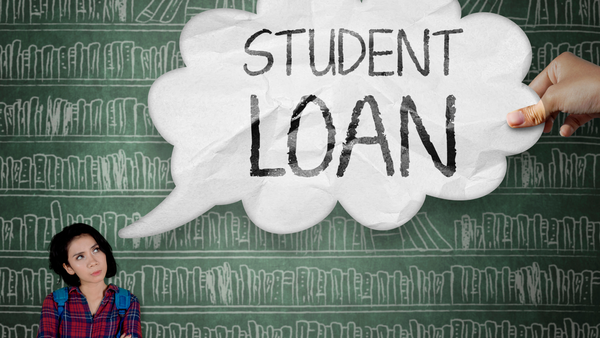
The Student Loans Company (SLC) in the UK has issued a fresh warning about student loan scams as it’s preparing to release £2.6 billion in maintenance support to 1.1 million students this September.
Key takeaways
- Scammers are impersonating the Student Loans Company through emails, text messages and phone calls
- Messages may claim that a payment has been blocked or that bank details must be updated urgently
- SLC will never ask students to provide or confirm personal or financial information by email, text or social media
- Students should access their accounts directly through GOV.UK instead of following links in unexpected messages
How student loan payment scams work
You may receive a message claiming there’s a problem with your upcoming maintenance payment, that your bank details are out of date, that the payment has been suspended, or that your account will be closed if you don’t respond within 24 hours.
Upon engaging with the fake message, you’re directed to a fake domain that may closely resemble the genuine student finance portal. You’re then asked to provide your credentials and confirm personal data, including banking information.
The timing makes these messages particularly convincing. Students may be relying on the money to pay for rent, food, transport and university expenses, so the possibility of a delayed payment can push them into acting before checking the message properly.
Payment periods in September, January and April are likely to bring an increase in these scam attempts.
“Unfortunately, scammers know when these payments are due and will go to great lengths to take advantage of students”, Alan Balanowski, Risk Director at SLC, said. “Scammers can make messages look convincing and create a sense of urgency to encourage people to act without thinking. Our advice is simple: stop and think before you click. Take a moment to pause before taking action, don’t click on unexpected links and check your account through GOV.UK.”
Warning signs of a fake Student Loans Company message
Students should be suspicious of any email, text message or phone call that:
- Claims their maintenance payment has been blocked or cancelled
- Says their bank details must be updated through a link
- Threatens to close their account unless they respond immediately
- Asks for a password, customer reference number or banking information
- Contacts them through WhatsApp or social media
- Uses an unfamiliar or slightly altered website address
- Creates an urgent deadline, such as “respond within 24 hours”
SLC and Student Finance England don’t offer services through WhatsApp and won’t start a social media conversation about a student’s application or entitlement.
SLC may send a confirmation text after a student requests a change to their bank details. If you receive such a message without making the change yourself, sign in through the official website immediately and check your account.
Do not follow the link, even if the message looks real
Instead of clicking on unsolicited links claiming to be from SLC and Student Finance England, open your browser and access your student finance account directly through GOV.UK. Any genuine account problem or request should be visible there.
Students should also avoid posting payment dates, customer reference numbers, course details, addresses or other account information online. These details can help criminals create more convincing and personalized messages.
If you are unsure about a message, you can copy its text, upload a screenshot or submit the link to Bitdefender Scamio for a second opinion. You can also check an unfamiliar URL with Bitdefender Link Checker without opening it.
What to do if you entered your information
If you think you have signed in through a fake website or given information to a caller:
- Change your student finance account password immediately. If you reused that password anywhere else, change it on those accounts too
- Sign in through GOV.UK and check whether your contact or bank details have been altered
- Contact SLC using the official contact information published on GOV.UK
- Contact your bank immediately if you shared banking information or noticed an unfamiliar transaction
- Forward suspicious emails to report@phishing.gov.uk
- Forward scam text messages to 7726 free of charge
- Report financial fraud through the official Report Fraud service
The SLC says its fraud prevention measures helped protect £56.2 million last year. However, students still play an important role by recognizing suspicious messages and reporting them quickly.
Student loan phishing is one of many scams students may encounter this new university year. Fake rental listings, job offers, delivery messages and account alerts can appear throughout the academic year.
Select Bitdefender security solutions with Scam Protection help detect suspicious messages, harmful links, fake websites and many other threats in real time, giving students an extra layer of protection before they share information or lose money.
You may also want to read: Back-to-school cybersecurity checklist for parents and students
tags
Author

Alina is a history buff passionate about cybersecurity and anything sci-fi, advocating Bitdefender technologies and solutions. She spends most of her time between her two feline friends and traveling.
View all postsYou might also like
Bookmarks
