Planning a summer trip with the family? Don’t fall for these scams

June 30, 2026
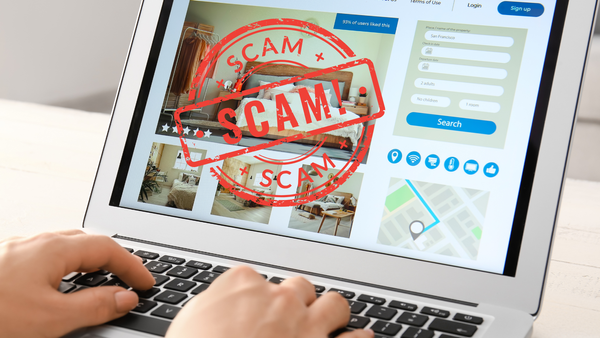
Summer is already in full swing, and millions of people are planning vacations. Unfortunately, scammers are planning too.
Key takeaways
- 34% of travelers have noticed more travel scams on social media
- 70% distrust promotional holiday emails because of scam concerns
- Fake accommodation and flight deals are among the most common travel scams
- Travelers are increasingly being targeted through WhatsApp messages, fake QR codes and phishing websites
- A few simple precautions before and during your trip can help protect your money, personal information and devices
Summer creates ideal conditions for fraud. From fake Airbnb listings and deeply discounted flights to phishing emails pretending to be airlines and hotels, cybercriminals know that millions of travelers are eager to book quickly before prices rise. And the scams don’t stop once you're on vacation. Fake tour operators, fraudulent QR codes and messaging scams can quickly turn a dream getaway into an expensive lesson.
New research suggests many travelers are already noticing the problem. According to a UK survey conducted by Opinium, 34% of holidaymakers say they've seen more travel scams on social media over the past year, while 70% are wary of holiday-related promotional emails because they fear scams. The survey also found that half of travelers prefer booking through companies that explain in clear terms how they protect customers from fraud, highlighting that online safety has become part of the travel planning process.
Here are some of the top scams you need to be aware of while planning your summer getaway:
1. Fake accommodation listings
One of the oldest travel scams remains one of the most successful.
Scammers either steal legitimate listings and photos from trusted booking platforms or use AI to generate convincing images, property descriptions and even fake reviews. They then advertise the accommodation at an attractive price and encourage victims to complete the booking outside the platform via bank transfer, cryptocurrency or payment apps.
Warning signs include:
- Prices that seem much lower than similar listings
- Requests to continue the conversation outside the booking platform
- Pressure to pay immediately
- Requests for payment by bank transfer or cryptocurrency
Before booking, consider performing a reverse image search on property photos and checking the address on an online map to confirm it exists.
2. Fake flight deals
Fraudsters advertise heavily discounted airline tickets through fake travel agencies, social media ads or cloned airline websites.
Victims either receive fake tickets or discover no reservation exists when they arrive at the airport.
Always verify airline promotions on the airline's official website rather than following links in social media posts or unsolicited messages.
3. Social media travel scams
Facebook, Instagram and TikTok have become popular places for criminals promoting luxury villas, cruises and vacation packages that don't exist.
Since many people discover travel inspiration through social media, scammers look to these platforms for access to millions of potential victims.
The survey found that more than one in three travelers have noticed an increase in travel scams on social media during the past year. If you discover a deal through social media, research the company independently before making a payment.
4. Phishing emails pretending to be airlines or hotels
Scammers regularly send convincing emails claiming:
- Your booking needs to be confirmed
- Your payment failed
- Your flight schedule has changed
- You must verify your passport or payment information
These emails typically contain links to fake login or payment pages designed to steal your credentials or financial information. If you're unsure whether an email is legitimate, visit the website of the airline or hotel directly instead of clicking links in the message.
5. WhatsApp hotel verification scams
Not every travel scam starts with an email.
Bitdefender researchers recently uncovered a phishing campaign targeting travelers in more than 10 countries through WhatsApp messages impersonating hotels and accommodation providers. In convincing messages, the attackers claim there's a problem with your reservation or payment and ask you to verify your credit card to avoid cancellation.
What makes these attacks especially convincing is that some messages include genuine booking details, such as your name, hotel, check-in dates or reservation information, making them appear legitimate.
If you receive a message about your booking:
- Never click payment links sent through WhatsApp or other messaging apps
- Contact the hotel using the phone number listed on its official website
- Log in to your booking account directly instead of following links in the message
- Be suspicious of urgent requests demanding immediate payment
6. Fake tours, excursions and attraction scams
Booking flights and hotels isn't the only time to stay alert. Scammers also advertise fake tours, attraction tickets and airport transfers through social media, messaging apps and fraudulent travel websites.
These offers often promise exclusive discounts, skip-the-line access or last-minute availability. After payment, the tickets never arrive, the tour doesn't exist or you're asked to pay additional "fees" before your booking is confirmed.
Before booking an excursion:
- Use the official website of the attraction or a reputable travel provider
- Read reviews from multiple trusted sources
- Be wary of deals that are dramatically cheaper than everywhere else
- Avoid sellers who insist on payment via bank transfer or cryptocurrency
7. QR code scams at hotels, restaurants and tourist attractions
QR codes have become a convenient way to access restaurant menus, pay for parking, purchase attraction tickets and view hotel services. Unfortunately, scammers have turned them into another opportunity for fraud.
Criminals may place fake QR code stickers over legitimate ones at restaurants, museums or tourist attractions, or on parking meters. Scanning the code can redirect you to a phishing website designed to steal payment details, collect login credentials or trick you into downloading malicious software.
Before scanning any QR code:
- Check whether the QR code appears to be a sticker placed over another one
- Verify that the website you're redirected to belongs to the official business
- Avoid entering payment details if anything looks unusual
- If you're unsure, ask a staff member for the correct website or payment method
Bonus: Be cautious of cabin-sharing offers on social media
Cruises can be expensive for solo travelers, especially when cruise lines charge a single supplement. That's why it's common to see posts in Facebook groups and online cruise communities from people looking for someone to share a cabin and split the cost.
While some of these offers are legitimate, some are scams. A fraudster could collect money and disappear before the cruise or even use a fake identity. Even if the person genuinely boards the ship, sharing a cabin with a stranger carries risks many travelers don't consider.
Before agreeing to share a cabin with someone you met online:
- Be cautious of anyone who pressures you to send money quickly
- Verify the person's identity through video calls or other trusted methods
- Never send deposits through untraceable payment methods
- Read the cruise line's policies regarding shared cabins and guest responsibility
- If something feels off, it's better to pay a little more than put your finances, vacation or personal safety at risk
Protect your phone before you leave
Your smartphone stores everything from boarding passes and hotel reservations to banking apps, digital wallets and travel documents. It's also where many modern travel scams now unfold.
Phishing emails, fake QR codes and even WhatsApp messages impersonating your hotel can all arrive on the device you rely on throughout your trip.
Before you travel, install a trusted mobile security solution, such as Bitdefender Mobile Security for Android and iOS, to help detect malicious links, phishing attempts, scam websites, and dangerous apps before they can compromise your device. Keeping your phone's operating system updated, enabling biometric authentication and using a VPN when connecting to public Wi-Fi can further reduce your risk while you're away.
How to protect yourself from travel scams
A few extra minutes spent verifying a deal can save you from losing money or exposing your personal information.
Before booking any holiday:
- Research the company independently
- Read reviews from multiple trusted sources
- Reverse-search property photos if something feels suspicious
- Avoid paying by bank transfer when dealing with unfamiliar sellers
- Double-check website URLs before entering payment information
- Use strong, unique passwords for your travel accounts
- Enable multi-factor authentication whenever possible
- Be cautious of unexpected emails or messages asking you to verify reservations or payments
If you're unsure whether a travel offer, message or website is legitimate, Bitdefender Scamio can help analyze suspicious emails, QR codes text messages and travel offers before you respond. You can also use Bitdefender Link Checker to verify whether a booking website or travel link appears safe before clicking.
What should you do if you've been scammed?
If you think you've fallen victim to a travel scam:
- Contact your bank or credit card provider immediately
- Freeze or replace compromised payment cards if necessary
- Change passwords for any affected accounts
- Report the incident to the booking platform and your local authorities
- Monitor your financial accounts and online identities for suspicious activity
FAQs
What are the most common travel scams?
The most common travel scams include fake holiday rental listings, fraudulent flight deals, phishing emails impersonating airlines or hotels, fake tour operators, WhatsApp messages claiming there's a problem with your reservation, and QR code scams that redirect travelers to malicious websites. Scammers often create a sense of urgency to pressure victims into paying quickly or sharing personal and financial information before they have a chance to verify the offer.
What is a red flag for a scammer?
One of the biggest red flags is being pressured to act immediately. Whether it's a "limited-time" holiday deal, a message warning that your reservation will be canceled, or a seller asking you to pay outside a trusted booking platform, urgency is a common tactic among scammers. Other warning signs include unusually low prices, requests for payment by bank transfer or cryptocurrency, suspicious website addresses, and unsolicited messages asking you to click a link or verify your payment details.
How can you spot summer travel scams?
Summer travel scams often appear where people search for vacation deals, such as social media, online travel groups, email inboxes and messaging apps. Before booking, take a few minutes to research the company, compare prices with other providers, read reviews from multiple sources and verify that you're using the official website. Be cautious when scanning QR codes or responding to unexpected messages about your trip, and consider using a trusted mobile security solution to help detect malicious websites, phishing attempts and scam links while you're traveling.
tags
Author

Alina is a history buff passionate about cybersecurity and anything sci-fi, advocating Bitdefender technologies and solutions. She spends most of her time between her two feline friends and traveling.
View all postsYou might also like
Bookmarks
