Social Security Identity Theft: How It Occurs & How to Avoid It

October 26, 2026
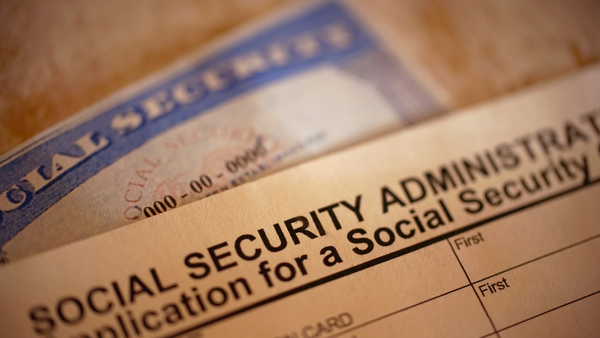
In early 2026, Social Security identity theft found a new entry point in emails offering a "Social Security statement," one more variation of the government impersonation scams that target people through trusted agency names. The SSA Office of the Inspector General warned of a sharp rise in these messages, and clicking the links may lead to identity theft, financial loss, malware infection, or compromised personal data.
The scale explains why the Social Security number (SSN) draws so much attention. The Federal Trade Commission received 1,358,253 identity theft reports in 2025, and more than 81,000 of them involved employment or tax fraud, while another 65,720 involved government documents or benefits. SSN misuse can fall into both categories.
This guide is for individuals, families, and seniors who want to keep their SSN out of the wrong hands. Social Security identity theft, the unauthorized use of your SSN by a criminal, can lead to financial loss, damaged credit, and tax and benefits problems that take months to resolve.
Therefore, we'll cover how it occurs, what thieves do with a stolen number, the warning signs, and which agency to contact for each type of misuse.
Key Takeaways
● Your SSN opens several doors at once. Thieves use it for credit, jobs, tax refunds, and government benefits, and each type of misuse leaves a different trail.
● Each problem has its own agency. The FTC handles identity theft involving credit and accounts, the IRS handles tax-related identity theft, and the SSA Office of the Inspector General handles fraud against Social Security programs.
● A credit freeze covers only part of the risk. It blocks new credit accounts, while employment and benefits fraud require separate locks through E-Verify, the IRS, and the SSA.
● Most protective steps are free. An IRS Identity Protection PIN, a credit freeze, and a my Social Security account cost nothing and take minutes to set up.
What is Social Security identity theft?
Social Security identity theft occurs when a criminal obtains and uses your SSN without authorization, whether to open accounts, get a job, file a tax return, or claim benefits in your name. A useful social security identity theft description is that the SSN works as a master key: introduced in 1936 to track workers' earnings, it has become a fundamental identifier across sectors in the U.S., relied on by lenders, employers, health insurers, and government agencies to confirm who you are.
That reliance is what makes a stolen Social Security number so valuable. Passwords and card numbers can be changed in minutes, while an SSN stays with you for life, so once it is compromised, identity thieves can keep committing fraud with it for years.
Why the SSN works as both an ID and a password
The core weakness is that the SSN was designed to identify people, and over time it became a way to authenticate them. Knowing a name, a birth date, and an SSN is treated as proof of identity by many systems, even though all three are static and circulate in breach data. A thief who has the three pieces can pass the same checks you do.
This is also why synthetic identity theft has grown. Criminals combine a real SSN with a fake name and date of birth to create a new person on paper, one that passes verification checks and builds credit before defaulting. When the SSA randomized SSN assignment in 2011, the first three digits stopped carrying geographic meaning, which removed one of the checks lenders used to spot numbers that did not fit an applicant's history.
The SSA responded with eCBSV, a paid service that lets approved financial institutions confirm, with the consumer's consent, whether a name, SSN, and date of birth match its records and whether the number holder is deceased. The match confirms that the data combination is consistent with SSA records, and it does not verify that the applicant is the person behind the number, which is why your own monitoring matters.
How can Social Security identity theft occur?
Social Security identity theft occurs through a handful of common ways, from large data breaches to a single convincing phone call.
Data breaches and the dark web
Data breaches expose personal information held by employers, hospitals, schools, and retailers, and SSNs sit at the center of many of those records. Once leaked, the numbers are sold on the dark web alongside names, addresses, and birth dates.
A breach notice is the moment to act, because a leaked SSN can be sold and reused for years. When a letter says your SSN was involved, freeze your credit, request an IRS Identity Protection PIN, and check your Social Security earnings record. Free credit monitoring from the breached company may help detect credit-related misuse, while the IP PIN and the earnings check address tax and employment fraud.
Phishing scams and government impersonation
Phishing scams trick you into providing personal information by posing as a trusted institution, and government agencies such as the Social Security Administration are among the most imitated. The FTC received more than 375,000 government impersonation reports in 2025, with losses above $900 million. Scammers claim your SSN has been "suspended" or your Social Security benefits will stop unless you confirm your details, and caller ID spoofing makes the phone calls look official.
AI has made these calls harder to spot. In our Consumer Cybersecurity Survey, 37% of consumers named AI-powered scams, including deepfake voice and video, as their biggest concern. The SSA does not suspend Social Security numbers or threaten you for information, so contact the agency through its official website instead of the link or number you were given.
Fake job offers
Because employment paperwork is a legitimate reason to share an SSN, scammers send tax forms that ask for your number and bank details after a fake interview. In its broader business and job opportunities category, the FTC logged 157,841 reports in 2025, with $906.8 million in reported losses. Verify any employer before completing a W-4 or direct deposit form.
Stolen mail, wallets, and trash
Physical theft remains a route as well, as criminals steal mail containing tax documents and bank statements, take wallets that hold a Social Security card, or rummage through trash for discarded paperwork. Each of these hands over personally identifiable information without any technical skill.
What thieves do with a stolen Social Security number
A stolen SSN can lead to several types of fraud at once, and the FTC's 2025 identity theft categories map the damage:
● Credit and loans. Criminals open new credit lines and file loan applications in your name. Credit card fraud led all categories with 597,770 reports, followed by 210,030 loan or lease reports, and the unpaid debt lands on your credit report.
● Bank accounts. Thieves open or take over bank accounts in the victim's name, a category behind 114,244 reports.
● Employment. Someone uses your SSN to get a job, so their wages post to your earnings record. That can create incorrect wage records and lead to IRS or SSA notices you need to resolve.
● Tax returns. In tax related identity theft, a criminal files a fraudulent return using your SSN to collect a refund before you file.
● Government benefits. A stolen SSN can be used to claim unemployment, disability, or Social Security benefits, leaving the real owner facing denied claims.
● Medical care. A thief can use your SSN and insurance details to get treatment, which adds their diagnoses to your medical history and their bills to your name.
Beyond the direct losses, a damaged credit score can complicate loan applications for years, and proving you did not open an account involves legal and bureaucratic steps. Of the victims who sought help from the Identity Theft Resource Center, 48% were still resolving their cases at the time of the survey, and a case that stays open for months adds emotional distress to the financial damage.
The people most exposed are those who never check their records. A child's SSN carries no credit history, and the SSN of a relative who has died can stay in use until the death is reported to the SSA and the credit bureaus.
Warning signs of Social Security identity theft
It may take time for identity theft signs to surface, and they appear in paperwork and account records. Watch for the following:
● A W-2 from an employer you never worked for
● An IRS CP01E notice, which means someone used your SSN on a W-2 that is not yours
● An electronically filed tax return rejected because one was already filed under your SSN
● Wages on your Social Security Statement from employers you do not recognize
● Accounts, inquiries, or addresses you do not recognize on your credit report
● Calls from debt collectors about debts you never incurred
● A benefits claim denied because benefits are already being paid under your number
● Medical bills or insurance statements for care you never received
● Unfamiliar charges or suspicious activity on your bank statements
How to report identity theft to Social Security and the FTC
If you suspect your SSN was stolen, start by knowing where each problem belongs, since identity theft involving credit, loans, or accounts goes to the FTC and the SSA cannot resolve it:
- Credit, loans, and new accounts. Report identity theft to the Federal Trade Commission at IdentityTheft.gov or by phone at 1-877-438-4338. You can report online and receive an FTC identity theft report along with a personalized recovery plan.
- Tax and employment fraud. Follow the instructions in any IRS notice or rejected-return message, and call the number printed on the notice. A CP01E notice about employment-related identity theft has no known impact on your tax return. Most people do not need to file Form 14039, which applies when the IRS directs you to or when your e-filed return is rejected and the IRS has not already contacted you.
- Fraud against Social Security programs. Contact the Office of the Inspector General at 1-800-269-0271, weekdays from 10 a.m. to 2 p.m. Eastern Time, or report online at oig.ssa.gov. This channel covers benefits fraud, waste, and abuse, misuse by a representative payee, and scammers impersonating the SSA, and OIG staff can investigate faster when you include names, dates, and how you were contacted.
- A police report. In most cases, your FTC identity theft report can replace a police report. File one with your local police department when you know the thief, when your name was used in an encounter with police, or when a creditor insists on one.
- The credit bureaus. Place a fraud alert with one of the three credit bureaus, which must notify the other two, and request a security freeze from all three.
Your recovery plan after SSN theft
The IdentityTheft.gov recovery plan tracks most of these steps, and dated copies of every letter, email, and call record make each one faster.
- Freeze your credit at Equifax, Experian, and TransUnion. A freeze is free under federal law and blocks new credit accounts until you lift it.
- Dispute fraudulent items. Send your identity theft report to each bureau and to the companies where accounts were opened.
- Get an IRS Identity Protection PIN. Anyone with an SSN can request a free IP PIN, a six-digit code that stops someone else from filing a return with your number, and a new one is issued each year.
- Lock your SSN for employment. E-Verify's Self Lock, set up through a free myE-Verify account, prevents employers who use E-Verify from confirming your SSN, and the lock stays active as long as your account remains valid and you do not unlock it.
- Add SSA account blocks. The eServices block stops online access for anyone, including you, to view or change your information, and the Direct Deposit Fraud Prevention block stops changes to your address or direct deposit.
Can you get a new Social Security number?
Yes, in narrow cases. The SSA will assign a new Social Security number to a victim who has tried to fix the problems caused by the misuse and continues to be disadvantaged by the original number, and the request requires an in-person appointment at a local office.
A new number comes with trade-offs, since your old SSN stays linked to records at other agencies and lenders, and a file with no credit history can make renting or borrowing harder.
How to protect your Social Security number
Prevention comes down to limiting who has your number and locking every channel where it can be used:
● Do not routinely carry your Social Security card. Keep the physical card in a secure, safe place at home.
● Never say your SSN aloud in public, and ask why organizations need it before providing it.
● Create a my Social Security account before a scammer does, and review your earnings record each year.
● Shred tax documents, bank statements, and anything else that shows your SSN.
● Turn on multi-factor authentication for your email, bank accounts, and social media accounts.
● Keep your credit frozen, and check your free credit reports at AnnualCreditReport.com, where all three bureaus offer them weekly.
● Never share personal or financial information, including credit card information, through a link in an unexpected message.
How Bitdefender helps you safeguard your SSN
Social Security identity theft depends on a leaked number and a convincing message, and Bitdefender Ultimate Security addresses both.
● On the detection side, Ultimate Security Plus includes Bitdefender Identity Theft Protection, which monitors for your SSN and financial information on the dark web, and its Advanced Fraud Monitoring alerts you when your identity is used to apply for credit or a loan.
● If fraud occurs, identity theft insurance and a resolution specialist help you through recovery. On the prevention side, Scam Protection flags phishing emails and links, including those impersonating government agencies.
The IRS IP PIN, E-Verify Self Lock, SSA account blocks, and credit freezes are set up with each agency or bureau, so pair the monitoring with those free tools. Together they cover the two sides of the problem: the locks limit where a stolen SSN can be used, and the monitoring tells you when someone tries.
Frequently asked questions
How does Social Security identity theft occur?
A criminal obtains your SSN through a data breach, a phishing scam, a fake job offer, or stolen mail, then uses it without authorization to open accounts, work, file a tax return, or claim benefits.
How do I report identity theft to Social Security?
Report benefits fraud or SSA impersonation to the Office of the Inspector General at 1-800-269-0271 or oig.ssa.gov, and report credit or account fraud to the FTC at IdentityTheft.gov.
Can a credit freeze stop someone using my SSN for a job?
No. A freeze blocks new credit accounts, while employment fraud runs through employer verification. E-Verify Self Lock covers employers that use E-Verify, and your Social Security earnings record shows wages reported under your number.
What should I do if my SSN was in a data breach?
Freeze your credit at all three bureaus, request an IRS Identity Protection PIN, create or check your my Social Security account, and set up monitoring for your SSN on the dark web.
Should I get a new Social Security number?
A new number is a last resort, because the SSA assigns new numbers only to victims who continue to be disadvantaged after trying to fix the problems, and the old number stays linked to many of your records.
tags
Author

The meaning of Bitdefender’s mascot, the Dacian Draco, a symbol that depicts a mythical animal with a wolf’s head and a dragon’s body, is “to watch” and to “guard with a sharp eye.”
View all postsYou might also like
Bookmarks
