Modeling scams: From fake agencies to AI “face model” jobs

March 25, 2026
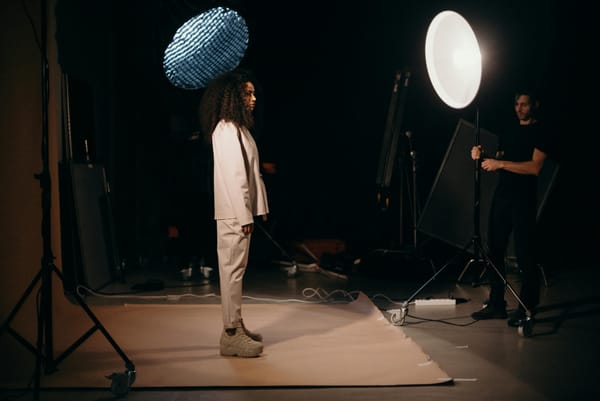
From Instagram DMs promising contracts to “exclusive” casting calls, modeling scams have been around for years. Lately, though, they’ve taken a darker turn.
So how do these scams actually work, and how can you tell a real opportunity from a costly mistake?
Key takeaways
- Legitimate modeling agencies don’t charge upfront fees
- Scammers often impersonate real agencies or scouts
- Fake castings and photographers are common traps
- AI “face model” job scams are a new and dangerous trend
- Some scams exploit victims twice—financially and as recruits
What are modeling scams and who do they target?
Modeling scams typically target young people, aspiring influencers, and anyone hoping to break into the industry. Social media has made this easier than ever. A message that says “We discovered your profile” can feel exciting and validating, especially if it appears to come from a well-known agency.
Scammers promise fast-track success, exposure, or guaranteed jobs, things that real agencies rarely offer upfront.
Common modeling scams you should know
Fake modeling agencies
One of the most common tricks is to pose as a legitimate agency.
These scammers may have professional-looking websites and even stolen photos from real agencies. But there’s a key difference: they ask for money.
Legitimate agencies make money by booking you for jobs and not by charging you to join. If you’re asked to pay upfront fees, that’s a major red flag.
Fake scouts on social media
You might receive a message saying you’ve been “spotted” online. The sender may claim to represent a real agency, sometimes using a slightly altered email address or username.
A small detail—like an extra letter in the domain—can reveal the scam. Always check the agency’s official website and contact them directly if you’re unsure.
Rogue photographers and portfolio scams
Some scammers pose as photographers or claim you need a professional portfolio before applying to agencies. They usually push expensive photoshoots that often offer little or no real value.
In reality, most agencies only need simple snapshots and a full-length photo to assess potential. If you’re signed, they’ll guide you through building a proper portfolio.
Fake casting calls
These scams often involve ads for “open castings” held in hotels or rented spaces.
Victims are asked to pay participation fees or are promised jobs in exchange for payment. In many cases, the organizers disappear after collecting the money.
If a casting seems rushed, requires upfront payment, or takes place outside normal business hours, take a step back.
Online listing and ‘exposure’ scams
Some platforms promise to showcase your profile to top agencies for a fee. They claim to have industry connections, but in reality they’re just selling visibility with no real opportunities behind it.
If you’re interested in similar tactics used in the entertainment industry, we’ve also covered casting call scams targeting aspiring actors and how they operate.
Real-life examples
Real-life cases show just how convincing and damaging these scams can be. Real stories from a recent BBC report highlight that modeling scams don’t just target young aspiring models—older adults are increasingly being drawn in as well.
One example is 79-year-old Judy Corker from Manchester, who came across a social media ad looking for “mature models.” It seemed harmless and even fun, especially with the promise of paid opportunities. After applying, she was invited to a photoshoot and asked to pay £200 for professional images that would be shared with agencies.
Soon after, she was told she was a perfect fit for a cruise company modeling job. Encouraged, she paid another £300 for a second shoot in London and later received a contract promising £1,100 in earnings.
Everything looked legitimate, but the job never materialized, and the money was gone.
Another victim, 73-year-old Roland Parker, was approached with a similar offer just weeks later. Hoping to earn extra income, he paid multiple fees, including a £200 “refundable” deposit. When he arrived at a studio for one of the shoots, staff told him they had no knowledge of the booking.
By the time he realized it was a scam, he had lost around £1,000.
What legitimate modeling agencies actually say
Industry organizations are very clear about how real agencies operate.
A legitimate agency:
- earns money through client bookings, not from models
- does not charge upfront fees to join
- provides guidance and professional support
They also follow strict boundaries.
A real agency will never:
- ask for nude photos, especially early on
- request banking details online
- pressure you into paying for opportunities
New rules in New York: what changed for modeling agencies
If you’re looking at opportunities in the U.S. (especially New York), there’s another important layer of protection to be aware of.
Under the New York State Fashion Workers Act, modeling agencies are now subject to stricter rules designed to protect talent from exploitation.
Starting June 19, 2025, agencies are prohibited from charging signing fees or deposits.
Even more, beginning December 21, 2025, all modeling agencies operating in New York must:
- Register with the NYS Department of Labor
- Display their registration certificate in their office and on their website
- Include their registration number in ads, social media, and contracts
If an agency doesn’t meet these requirements, it may be operating outside the law and should be avoided.
The rise of AI ‘face model’ scams
A newer and more troubling trend is emerging at the intersection of modeling and cybercrime: so-called “AI face model” jobs.
According to a recent Wired investigation, dozens of Telegram channels are actively recruiting people, often young women, for these roles. The job listings present them as remote opportunities involving chatting with clients, sharing content, or joining video calls.
In reality, many of these recruits are used to support online scams.
The investigation found that:
- workers are asked to build relationships with targets over time
- Conversations are designed to gain trust and lead to financial requests
- Deepfake technology is sometimes used so workers look like someone else on video calls
- Some roles are linked to long-running scams like fake investments or romance schemes
Wired also reported that many of these recruitment channels remain active, even after being flagged, highlighting how widespread and difficult to control this trend has become.
What makes these scams especially concerning is that they can exploit both sides. Victims are manipulated by sending money, while recruits may not fully understand they are participating in fraud or may find themselves in highly controlled or exploitative situations.
It’s a reminder that “modeling” jobs involving messaging strangers, using altered identities, or promising quick money should always be treated with caution.
Short checklist on how to spot a modeling scam
If you’re exploring modeling opportunities, a few simple checks can save you a lot of trouble:
- No upfront fees: Legitimate agencies don’t charge to sign you
- Verify everything: Check official websites and contact details
- Watch for urgency: Pressure is a common scam tactic
- Protect your data: Never share sensitive or financial information
- Question “too good” offers: If it sounds unrealistic, it probably is
How to stay safe while exploring opportunities
Before clicking on links or responding to offers, you can use tools like Bitdefender Scamio to check suspicious messages or opportunities. If you’re unsure of a link, Bitdefender Link Checker can help you verify it before you engage.
A quick check can make the difference between a real opportunity and a scam.
FAQs
How can you tell if a modeling agency is legit?
A real modeling agency will have a verifiable track record and won’t rush you into decisions.
Look for these red flags:
- an official website with clear contact details
- a portfolio of real models and client work
- a physical office address
- no upfront fees to join
If you’re still unsure, check industry associations or contact the agency directly using the details listed on their official website—not the ones sent to you.
Should you pay to join a modeling agency?
No. Legitimate modeling agencies do not charge upfront fees to represent you.
They make money by booking you for jobs and taking a commission from those earnings. If an agency asks for signing fees, deposits, or mandatory payments just to get started, that’s a major red flag.
How can you identify a fake modeling agent?
Fake agents often rely on urgency, flattery, and vague promises.
Watch out for:
- messages saying you’ve been “discovered” out of nowhere
- email addresses that don’t match the official agency domain
- requests for money, personal data, or banking details
- pressure to act quickly or keep things “confidential”
If something feels off, pause and verify. A real opportunity won’t disappear just because you took time to check it.
Are ‘AI face model’ jobs legitimate?
Some AI-related modeling jobs can be legitimate, especially in areas like advertising or tech. However, many “AI face model” roles advertised on social media or messaging apps are linked to scams.
If the job involves:
- chatting with strangers to build relationships
- using a different identity on video calls
- vague responsibilities with high pay promises
… it’s likely part of a scam operation.
Always research the company, avoid roles that lack transparency, and be cautious of opportunities that focus more on messaging people than actual modeling work.
tags
Author

Alina is a history buff passionate about cybersecurity and anything sci-fi, advocating Bitdefender technologies and solutions. She spends most of her time between her two feline friends and traveling.
View all postsYou might also like
Bookmarks
