Emoji Meanings in Teen Culture: From Jokes to Cyberbullying - What Parents Should Know, According to a Therapist

March 12, 2026
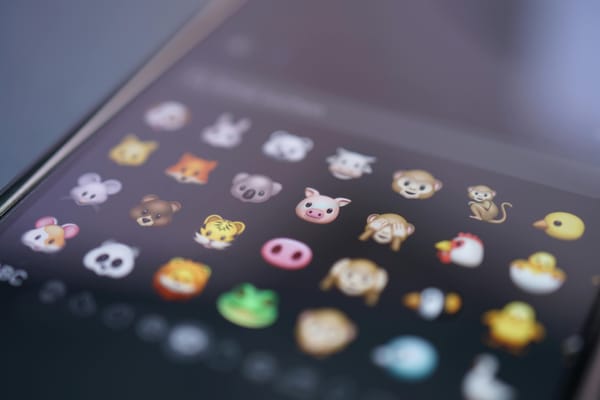
Emojis may look harmless, but in teen culture they often carry meanings far beyond their appearance. From inside jokes and identity signals to subtle forms of cyberbullying, emojis have become a complex digital language. Understanding how emojis are used can help parents spot both harmless trends and potential red flags.
Key Takeaways
- Emoji meanings depend heavily on context. The same emoji can signal humor, sarcasm, identity, or aggression depending on who uses it and how.
- Most emoji use is harmless—but patterns matter. Repeated, targeted emoji use—especially in public comments—can signal exclusion, mockery, or cyberbullying.
- Teens use emojis as a coded language. Some symbols represent slang, emotions, or even risky behaviors, making them harder for adults to interpret.
- Certain emojis can signal aggression or intimidation. Symbols like knives, fists, or repeated negative emojis may be used to threaten or pressure others in online interactions.
What Emojis Mean in Teen Culture and When to Be Concerned
If you’ve ever glanced at your child’s phone and seen a string of emojis instead of words, you probably assumed it was harmless: a heart, a clown, a skull, a few laughing faces. It looks playful, even childish. In many teen spaces, emojis are quick reactions, inside jokes, ways to add tone or humor without typing a full sentence.
Emojis can soften conversations and mark belonging, but they can also label, mock, intimidate, or amplify group pressure. Their meaning depends on context: who sends them, who receives them, and who is watching. What matters is not the symbol itself, but how it is used within a social circle.
Why Teens Use Emojis as “Code”
Emojis help them say more with less. It’s easier to drop a clown emoji under someone’s photo than to type “you’re embarrassing.” It feels indirect, almost deniable, and that emotional distance can make it easier to say things they might not express face to face.
There are a few reasons this matters:
- Emojis create in-groups. If you understand the meaning, you belong. If you don’t, you’re outside.
- They make teasing look playful, even when it isn’t.
- They’re harder for adults — and sometimes even school systems — to interpret or flag.
- They allow plausible deniability: “It was just a joke.”
Related: From “Sigma” to “Skibidi”: What Parents Googled About Teen Slang in 2025
Emojis That Can Carry Different Meanings, From Playful to Harmful
Emojis do not come with fixed definitions. Teens constantly remix symbols, and what feels harmless in one group can carry a very different meaning in another.
Below are examples parents may encounter, grouped by how they are commonly used.
1. Emojis Often Used to Mock or Label Someone
These are frequently used in comment sections and group chats. Alone, they may be teasing. Repeated publicly, they can become shaming.
- 🤡 Clown — “You’re embarrassing,” “You look foolish,” or “Try-hard.”
- 💀 Skull — Often means “that’s hilarious,” but can amplify public embarrassment.
- 🐍 Snake — Fake friend or traitor.
- 🐀 Rat — Snitch.
- 🗑️ Trash can — Worthless or unwanted.
- 🧢 Cap — “You’re lying” or “That’s fake.”
- 🗿 Stone face (Moyai) — Used ironically for awkwardness, but sometimes to mock someone’s appearance or presence.
Related: Teen Lingo Parents Should Know: Slang Terms Behind Body Shaming and Online Ratings
2. Emojis Used in Sexual or Flirtatious Contexts
Some emojis evolved into sexual innuendos over time and are widely recognized in teen culture.
- 🍆 Eggplant and 🍑 Peach — Visual innuendos tied to body parts.
- 💦 Water droplets — Often sexualized in certain contexts.
- 👅 Tongue — Suggestive implication.
- 🔥 Fire — Can signal sexual attractiveness.
Color heart emojis may also carry coded meaning in some peer groups:
- ❤️ Red Heart — Love.
- 💜 Purple Heart — In some contexts, sexual interest.
- 💛 Yellow Heart — “I’m interested.”
- 🩷 Pink Heart — “Interested, but not sexually.”
- 🧡 Orange Heart — Reassurance or friendliness.
- 💚 Green Heart — Nature, sustainability, support.
3. Emojis Linked to Ideological or Identity-Based Signals
The mini-series Adolescence brought attention to how emojis can carry deeper meanings, sometimes signaling identity, group belonging, or alignment with particular online worldviews.
- 🔴 Red Circle or 💊 Pill — “The Red Pill,” a reference to The Matrix, symbolizing “seeing the truth.” In some online communities, this phrase has been tied to rigid or controversial views about gender and society.
- 🔵 Blue Circle — “The Blue Pill,” representing remaining in comfortable ignorance.
- 🧨 Firecracker or 💥 Collision — Sometimes described as an intensified or “exploding” version of the red pill idea.
- 💯 Hundred Points — In certain interpretations, linked to the “80/20” belief that a small percentage of men receive most female attention.
In one episode of Adolescence, forensic psychologist Briony Ariston points to the 🫘 Beans emoji, described as “the kidney beans,” and asks Jamie directly what it means. He replies, “She’s pretending like I’m part of one of those truth groups.”
This scene alone shows how large the gap can be between what an emoji looks like and what it represents in context.
4. Emojis as Cultural and Fandom Identity
Not all reinterpretation is negative. Many communities reshape emojis to express loyalty, humor, or shared meaning.
- 💀 Skull — Gen Z slang for “I’m dead,” meaning something is very funny.
- 🧢 Cap — From “no cap,” meaning “no lie.”
- 💜 Purple Heart — Used by fans of BTS to represent loyalty and affection.
- 🐝 Honeybee — Signals belonging to the fan community of Beyoncé.
- 🧣 Scarf — Referenced by fans of Taylor Swift in connection with “All Too Well.”
These uses are emotional and community-driven rather than harmful.
5. Emojis That Can Signal Intimidation or Aggression
Tone and context matter here as well. A single symbol between close friends may mean very little. Repeated messages after conflict can feel threatening.
- 🔪 Knife
- 💣 Bomb
- Blood
- 👊 Fist
- ⏳ Hourglass — sometimes used to imply “just wait” or suggest a countdown
If a teen repeatedly receives aggressive symbols from the same person or group, especially after conflict, it is worth paying attention.
Emoji Flooding and Cyberbullying
On platforms like TikTok and Instagram, long strings of repeated emojis in the comments are common. Sometimes they are part of a shared joke or a trend. But when that pattern targets one person, especially under a vulnerable or awkward post, the tone can shift quickly.
For example, a single skull emoji may signal that something is funny. Dozens of skulls posted within minutes can feel like collective mockery. What may have started as teasing can escalate when repetition turns it into a highly visible public display. Visibility and volume give emoji flooding its power. Repetition signals agreement and amplifies the message, suggesting that many people share the same judgment.
Even teens who did not intend to hurt someone may add the same emoji simply to join in, without fully considering the impact. The result is a digital pile-on in which no explicit insult is written, yet the experience still amounts to cyberbullying.
Related: Gen Z Slang Words: Learn the Teenage Lingo
What Parents Can Do: Advice from a Therapist
“Behind many online behaviors lie very deep emotional needs: the need to belong, to feel validated, to matter to someone, and not to be excluded. At this stage of life, group acceptance can feel almost equivalent to personal safety. When a teenager is unsure whether they are seen or appreciated enough, they may try to secure their place by aligning with group behavior, even when that behavior involves irony, exclusion, or humiliating someone else. Often, these actions are driven less by cruelty and more by the fear of being left out,” says Anca Elena Ivu, clinical psychologist and cognitive behavioral psychotherapist.
Here are her recommendations for parents:
1. Ask with curiosity, not judgment
She suggests asking open questions such as:
→ “How do you use this emoji between you?”
→ “What does this symbol mean to you?”
→ “How do your friends use it?”
The goal is listening and understanding, not interrogating. Curiosity invites teenagers to explain their world, while judgment often closes the conversation before it begins.
2. Create a safe emotional space
Tone, body language, and attitude matter. Teens open up more easily when they feel safe rather than judged. When conversations feel calm and respectful, adolescents are far more likely to share what is actually happening in their social circles.
3. Encourage empathy
Parents can ask questions such as:
“How would you feel if this happened to you?”
Repeating this type of reflection over time helps the question appear naturally in the teen’s mind before reacting. This kind of mental pause can slow impulsive reactions, especially when teens feel pressure from the group.
4. Focus on family values without imposing them
For example:
“In our family, respect and dignity are important. How do you see things?”
Adolescents often test the values they grew up with in order to decide whether they truly belong to them. Conversations that explore these ideas help teens reflect without feeling controlled.
5. Encourage critical thinking
Parents can ask questions like:
- “What part of this message do you agree with?”
- “What part do you disagree with?”
It can also help to resist the urge to immediately provide answers. Sometimes the most valuable outcome is simply helping teenagers think through the ideas they encounter online.
6. Avoid accusatory reactions when something goes wrong
Instead of asking “How could you do this?”, she recommends saying something like:
“Help me understand what happened.”
This reduces defensiveness and invites the teen into a conversation where they can reflect on their emotions and on the impact their behavior may have had on others.
7. Focus on long-term development, not control
Parents should not try to control every symbol or trend, but help raise a teen who can think critically and evaluate group behavior. The goal is to develop an internal moral compass rather than external supervision.
8. Support belonging at home
When teens feel seen, heard, and valued at home, they are far less likely to seek status through exclusion or aggression online. From a psychological perspective, parents play a key role in supporting the emotional foundations behind healthy behavior: helping teens understand and regulate their emotions, cultivating empathy, and maintaining a relationship where honest dialogue remains possible even when mistakes happen.
While conversations and guidance remain at the heart of every family, technology can also provide an extra layer of support.
Bitdefender Family Plans help protect every member of the household, not just children. They add safeguards against phishing, scams, suspicious links, and risky interactions, while giving parents better visibility into potential threats. It does not replace trust or dialogue, but it can reduce exposure to harmful content and create a safer digital environment for everyone in the family.
Take a look at one of our family plans.
FAQs
How can I tell if my child is being cyberbullied online?
Look for behavioral changes rather than specific symbols. Mood shifts after phone use, avoiding school or friends, deleting social media accounts, or becoming secretive about group chats can all signal something is wrong. One sign alone does not confirm bullying, but patterns deserve attention.
What should I do if my child is being targeted with emojis online?
Start with a calm conversation. Ask open-ended questions and listen without judgment. Save screenshots if the behavior is repeated. Discuss blocking or reporting the account, and contact the school if classmates are involved. Reassure your child that they are not facing this alone.
What if my child is the one posting hurtful emojis?
Approach it as a teaching moment. Focus on impact rather than labeling them as a bully. Ask what they thought the other person would feel. Make it clear that participating in online mockery is not acceptable and guide them toward repairing harm if appropriate.
Are emojis always a sign of bullying?
Most emoji use is harmless and part of normal teen communication. The concern arises when emojis are repeated, targeted, and used publicly to isolate or humiliate someone.
Why are emojis so confusing for older adults?
Emojis can be confusing because their meaning is rarely fixed. Many parents learned to interpret communication through words, tone, and facial expression, while teens layer slang, irony, cultural references, and even ideology onto small visual symbols. By the time an emoji reaches a parent’s screen, it may carry meanings that were never part of its original design. The gap between what an emoji looks like and what it signals in a specific peer group can be wide, and it shifts quickly.
tags
Author

Cristina Popov is a Denmark-based content creator and small business owner who has been writing for Bitdefender since 2017, making cybersecurity feel more human and less overwhelming.
View all postsYou might also like
Bookmarks
