Census scams: Aussie banks warn Australians to stay alert

August 10, 2026
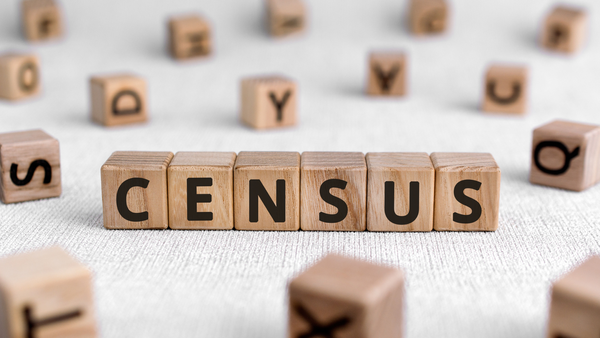
Australia’s 2026 Census takes place on August 11, and scammers may see the nationwide event as an opportunity to impersonate the Australian Bureau of Statistics (ABS). Fake calls, texts, websites and even in-person approaches could be used to steal personal or financial information.
Key takeaways
- The 2026 Australian Census takes place on Aug 11, giving scammers a timely and believable reason to impersonate the ABS or Census workers.
- The ABS will never ask for your bank or credit card details, passwords, money, identity documents or Tax File Number.
- Never give remote access to your computer to someone claiming to be helping you with the Census.
- Be cautious with unexpected Census calls, texts and links. If you're unsure, stop the interaction and contact the ABS through an official channel.
- Check Census websites carefully. The official Census website is census.abs.gov.au, and official Australian government websites use the .gov.au domain.
- Genuine Census field officers may visit some households, so an in-person visit isn't automatically a scam. However, they should never request banking details, passwords or payment.
- If you've shared financial information with a suspected scammer, contact your bank immediately. You can also report suspicious activity and secure any accounts that may have been exposed.
Scammers frequently exploit events people already know about.
Tax season brings tax scams. Major deliveries and shopping periods bring parcel scams. And a nationwide event such as the Census gives criminals another believable excuse to contact millions of people.
Australian Banking Association CEO Simon Birmingham warned that criminals are likely to exploit the event to obtain personal and financial information.
“The Census is a significant event impacting millions of Australians and criminals will be looking to get a pay day out of it,” Birmingham said.
The risk isn't limited to just one type of fraud.
A scammer could pretend to be an ABS representative over the phone. A fake text could claim you haven't completed your Census. A phishing email could direct you to a website designed to look like an official government page.
Someone could even appear at your door claiming to be a Census worker.
The goal may be to steal information immediately or to gather enough details to commit identity theft, compromise accounts or make subsequent scams more convincing.
What will the ABS never ask you for?
This is one of the simplest ways to identify a Census impersonation scam.
According to warnings issued around the 2026 Census, the ABS will never ask you for:
- bank account details
- credit or debit card information
- money or donations
- passwords
- identity documents
- your Tax File Number.
Neither will ABS or Census workers ask for remote access to your computer.
Any unexpected request involving payments, online banking credentials or remote-access software should therefore be treated as a major warning sign.
"Any requests for bank details or credit card information, cash or donations, banking passwords, identity documents or your tax file number should be a major red flag,” Birmingham noted. “The ABS and Census would never ask for your banking details or solicit a payment.”
Watch out for fake Census texts
Text messages deserve particular attention because genuine ABS and Census communications can occur via SMS.
According to the ABS, official Census text messages use the registered sender ID CENSUS, while messages relating to other ABS surveys can appear under ABSGov.
Australia introduced requirements from July 1, 2026, for organizations to register the sender IDs they use for SMS communications. Messages using names that aren't registered may consequently appear as “Unverified” on a recipient's phone.
Still, a familiar-looking sender name should never be your only test of whether something is legitimate.
If an unexpected message asks you to provide sensitive information, make a payment or take some other unusual action, don't follow its instructions. Instead, navigate independently to the official Census website.
Check the website before entering information
Fake government websites can be remarkably convincing.
Scammers can copy logos, colors, layouts, and wording from legitimate websites and create domain names that look similar enough to trick users into handing over sensitive information
The official Census website can be found here.
The ABS notes that Australian government websites generally use the .gov.au extension. A website claiming to represent an Australian government department while using an address ending in .com, .org or .net should be treated with caution.
Instead of relying on a link sent to you unexpectedly, type the official Census address into your browser yourself.
What about someone knocking on your door?
This part requires a little more nuance.
Census field officers can visit some Australian households, including to deliver forms or help people understand and complete the Census.
But that doesn't mean you should automatically trust someone who arrives at your home claiming to represent the Census.
A genuine Census visit is not an excuse for someone to request your banking details, passwords, Tax File Number, money or access to your devices.
If you're uncomfortable or not sure whether someone is legitimate, don't provide information simply because they claim to represent the government. Verify the interaction independently through official ABS channels.
Common Census scam scenarios to watch for
Scammers don't necessarily need to reproduce the real Census process perfectly. They only need to make their story believable enough to get you to react.
You might receive a message saying:
“You haven't completed your Census.”
A link supposedly takes you to the form but instead leads to a phishing website.
“Your Census submission was unsuccessful.”
You're told to enter your information again, potentially exposing personal information or credentials.
“You could be fined unless you act now.”
The compulsory nature of the Census could be exploited to create urgency and pressure you into paying a fake penalty.
“We need to verify your identity.”
A fake representative requests identity documents, passwords or your Tax File Number.
“There is a problem with your computer.”
Someone claiming to help you complete the Census asks you to install remote-access software.
“Pay this Census fee.”
You're asked for a card payment, bank transfer or another form of payment. The ABS does not charge Australians to complete their Census.
How can Aussies protect themselves from Census scams?
Start by slowing the interaction down.
Scammers benefit when people feel they must respond immediately. An official-looking message, combined with the threat of a fine or a missed deadline, can make that pressure highly effective.
Don't provide financial information. The Census does not require your banking or credit card details.
Don't share passwords or verification codes. No legitimate Census representative needs your online banking password or authentication codes.
Avoid unexpected links. If you need to complete the Census or check information, navigate independently to the official Census website.
Check the web address carefully. Make sure you're visiting census.abs.gov.au rather than a lookalike domain.
Don't install remote-access software. The ABS does not need control of your computer to help you complete the Census.
Verify suspicious communications independently. Don't use the phone number or link supplied by the person contacting you. Find the ABS contact details yourself.
You can also use Bitdefender Link Checker to check suspicious links before visiting them, or ask Bitdefender Scamio to analyze suspicious messages, emails, links or other potential scams.
What should you do if you think you've fallen for a Census scam?
Act quickly, particularly if you've shared banking information.
Contact your bank immediately if you've disclosed account or card details, transferred money or entered banking credentials into a suspicious website. Australian banks advise customers to report suspected scams as soon as possible because they may be able to secure the account and attempt to recover funds.
Change compromised passwords from a trusted device, particularly if you've reused the same password elsewhere.
If someone gained remote access to your computer or phone, disconnect the device from the internet, remove the remote-access software if possible, run a security scan and change important passwords from another trusted device.
Keep an eye on your financial accounts for transactions you don't recognize, including small payments that could be used to test whether an account or card is active.
Suspicious Census communications can also be verified through official ABS channels. You can call the Census Contact Centre on 1800 181 227 or report a scam via Scamwatch.
Get extra protection against scams
Bitdefender Premium Security includes Bitdefender Scam Protection Pro, an AI-powered suite of features designed to detect and fight scams in real time. It can help identify suspicious websites, emails, SMS messages, chats and even remote-access scam attempts, all tactics criminals could use when targeting you or your family.
tags
Author

Alina is a history buff passionate about cybersecurity and anything sci-fi, advocating Bitdefender technologies and solutions. She spends most of her time between her two feline friends and traveling.
View all postsYou might also like
Bookmarks
