Brits Lost £102 Million to Romance Scams Last Year

May 07, 2026

Online romance scams are continuing to devastate victims across the UK, with new figures from the City of London Police revealing that fraudsters stole more than £102 million ($139 million) last year alone.
Authorities say the number of reported romance fraud cases jumped by nearly 30% from the previous year.
Key takeaways
- UK victims lost more than £102 million to romance fraud in one year
- Reports surged by 29%, reaching 10,784 reported cases
- Victims lost an average of £9,500 each
- Some individual victims reported losses exceeding £1 million
- Scammers increasingly exploit dating apps, social media, and messaging platforms
- Emotional manipulation remains one of the most powerful tools used by cybercriminals
Romance scams are growing more common — and more convincing
According to the City of London Police, romance fraud now costs victims nearly £280,000 every single day. Investigators say scammers often spend weeks or even months building emotional relationships before requesting money under false pretenses.
Romance fraud is particularly harmful because it “targets trust and emotional connection,” warns Detective Superintendent Oliver Little from the City of London Police.
The fraud typically begins on dating apps, social media platforms, or even professional networking sites. Once trust is established, scammers invent emergencies, investment opportunities, medical crises, or travel problems to pressure victims into sending money.
AI and social engineering are making scams harder to spot
Modern romance scams are evolving. Fraudsters are increasingly using AI-generated profile photos, deepfake videos, voice cloning, and stolen identities to appear more credible online.
In many cases, scammers maintain constant communication with victims, creating a false sense of intimacy and urgency. Some schemes also overlap with so-called “pig butchering” scams, where victims are manipulated into fake cryptocurrency or investment platforms after a romantic relationship is established.
The UK Financial Conduct Authority (FCA) recently warned that romance fraud is growing in both scale and complexity, adding that many scams now originate through social media and online platforms.
Bitdefender data supports the findings
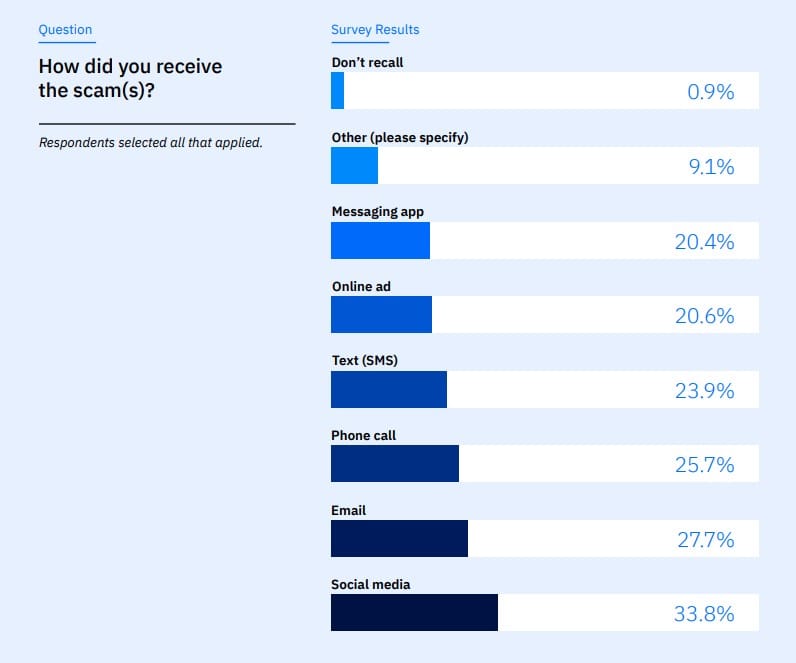
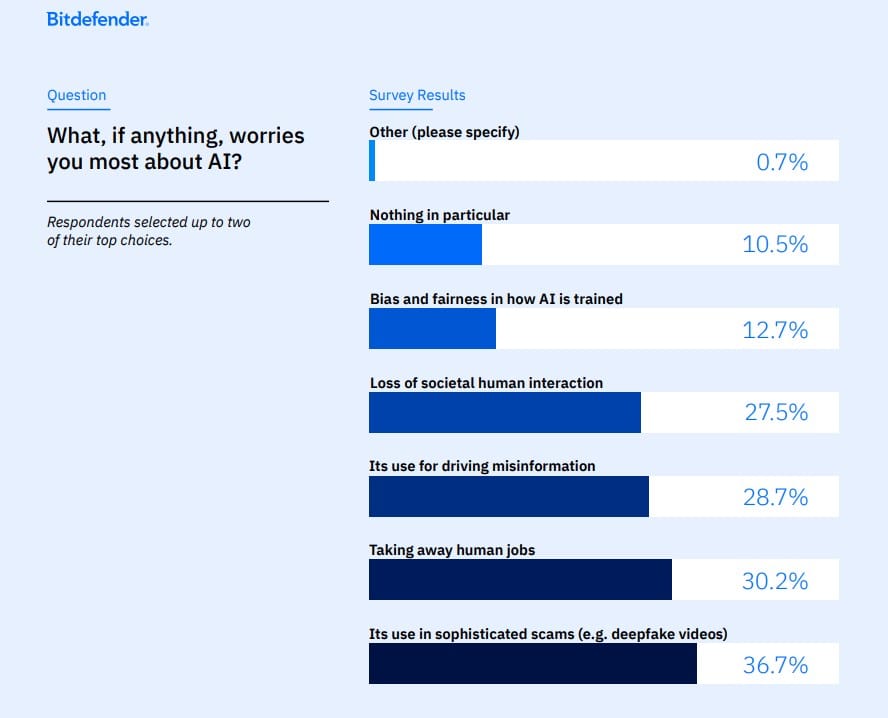
The Bitdefender 2025 Consumer Cybersecurity Survey suggests social media is the new scam-delivery system, and AI scams now dominate public concern. Key findings from our report:
- Social media is the top scam delivery channel (34%), underscoring how deception blends seamlessly into platforms where people spend much of their time
- 7 out of 10 respondents have encountered scams of some type in the last 12 months
- 1 in 7 consumers fell victim to a scam in the past year
- In the context of AI, 37% named deepfakes their biggest concern.
The emotional damage often lasts longer than the financial losses
While the financial losses are staggering, the psychological impact is often even more severe. Victims frequently feel shame, anxiety, depression, and social isolation after discovering they were manipulated.
Authorities also believe romance fraud remains significantly underreported because many victims are embarrassed or fear judgment from friends and family.
Older adults continue to be heavily targeted, although police stress that anyone can become a victim regardless of age, education, or technical knowledge.
Common warning signs of romance scams
Although scammers constantly adapt their tactics, several red flags appear repeatedly in romance fraud cases:
- The person quickly declares strong romantic feelings
- They avoid video calls or in-person meetings
- Their stories contain inconsistencies
- They claim to work overseas or in remote locations
- They ask for money, cryptocurrency, gift cards, or financial help
- They pressure victims to keep the relationship secret
- They attempt to move conversations off dating platforms quickly
Cybercriminals also frequently create a sense of urgency by claiming medical emergencies, frozen bank accounts, or travel crises.
How to protect yourself from romance fraud
Staying cautious online remains one of the best defenses against emotional manipulation scams.
Here are several ways to reduce your risk:
Verify identities carefully
Use a reverse image search to look for profile photos, and be cautious if someone refuses video calls or avoids meeting in person.
Never send money to someone you haven’t met
Regardless of the story or emotional connection, avoid transferring money, cryptocurrency, or sensitive financial information.
Watch for emotional manipulation
Scammers often create a sense of urgency, guilt, or emotional pressure to bypass rational thinking.
Keep conversations on trusted platforms
Dating apps and social networks may offer fraud detection and reporting tools that disappear once conversations move to encrypted messaging apps.
Use security tools that detect scams
Security solutions with scam-detection features can help identify phishing links, fraudulent messages, and suspicious websites.
To help people stay ahead of evolving threats, Bitdefender has introduced Scam Radar, a new feature integrated into Bitdefender Mobile Security for Android and Bitdefender Mobile Security for iOS.
When in doubt about an unsolicited phone call, text or social media interaction, use Scamio, our free scam detector and prevention service. Simply describe your situation and let Scamio guide you to safety.
As criminals increasingly weaponize AI and exploit loneliness, trust itself is becoming a target. The latest UK figures serve as another reminder that staying safe online now requires not only technical awareness, but emotional vigilance as well.
You may also want to read:
Social Media Scams Cost Americans $2.1 Billion in 2025, FTC Warns
FBI: Cybercrime Losses Hit a Record $21 Billion Last Year, Fueled by AI
Crypto Investment Scam Costs Woman in Hong Kong Nearly $1 Million
tags
Author

Filip has 17 years of experience in technology journalism. In recent years, he has focused on cybersecurity in his role as a Security Analyst at Bitdefender.
View all postsYou might also like
Bookmarks
