Identity Theft Prevention: How to Protect Your SSN & Credit
August 11, 2026
US consumers lost $27.3 billion to identity theft and related fraud in 2025, according to Javelin Strategy & Research's 2026 Identity Fraud Study. Losses held roughly steady from the year before, when they had climbed 19%, yet the number of victims rose across every fraud category, with new-account fraud growing the fastest.
Much of the cost comes from a delay, since stolen data can circulate for years before it surfaces as a fraudulent account. Moreover, the Identity Theft Resource Center found that 80% of consumers received at least one data breach notice in the past year, often with no clear sense of what happened to the exposed information afterward. Sounds familiar?
Identity thieves are getting more efficient and more common. The Federal Trade Commission states that reports filed in the first nine months of 2025 already passed the full-year total for 2024.
But there are ways to protect your personal information, as most identity theft prevention is within your control. That is why this guide aims to cover the habits, monitoring, and services that reduce your exposure, and what to do the moment you suspect fraud.
Key Takeaways
● Identity theft and identity fraud are different problems. Theft is when someone steals your personal information, while fraud is what they do with it. Knowing which stage you are in tells you how to respond.
● Prevention works in layers. Offline habits, strong account security, and monitoring each close a different gap. A protection service shortens the time a thief can operate before you catch it.
● Monitoring catches fraud early, while a credit freeze stops it at the source. Especially in the US, freezing your credit is free and blocks most new credit accounts in your name. Monitoring alerts you when something gets through via your chosen financial institutions.
● Protection works globally. Credit freezes are a US tool, but dark web monitoring, breach alerts, and data-privacy rights under laws like GDPR give people outside the US real options.
What identity theft is, and why it differs from fraud
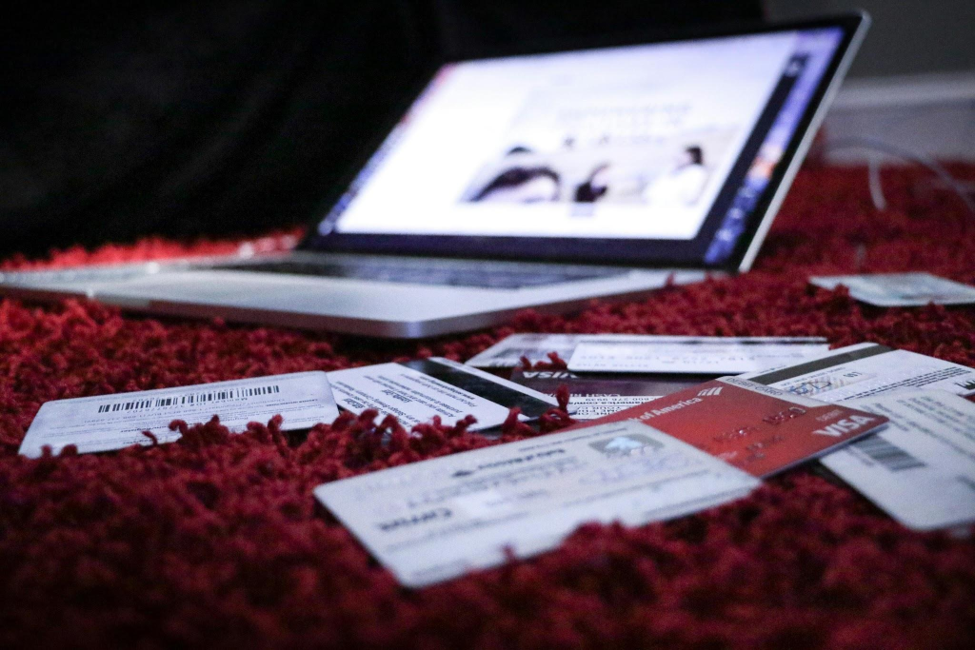
Identity theft and identity fraud describe two stages of the same crime, and they call for different responses.
● Identity theft is the unauthorized capture of your personal information, such as your social security number, birth date, online account credentials, or credit card number.
● Identity fraud is what criminals do with it, from opening new credit accounts to filing a false tax return or taking out loans in your name.
Knowing which stage you are in tells you what to do next. For example, a leaked email address means you tighten passwords and turn on alerts. A fraudulent account already opened in your name means you start the recovery steps covered later in this guide.
Thieves also commit crimes with less than you would expect. A birth date from social media, an old address from a data breach, or a phone number from a leaked list can be enough to verify your identity somewhere and open the door.
Some go further and combine real and fake details, sometimes using a child's unused Social Security number, to build a synthetic identity that goes undetected for years.
How thieves get your identity, with or without your SSN (US-first)
You don't really need to lose your Social Security number to become a victim. Criminals build identities from whatever they can reach, and many of the most common routes never touch your SSN. For example, a name paired with an email, a birth date, an account number, and other personal information (seemingly harmless) can be enough to bypass initial identity verification layers.
Data breaches and the dark web
Data breaches are a routine part of online life, and the exposure outlasts the notice. Stolen records can sit on the dark web for years, so a breach you have forgotten can resurface as fraud much later. Identity theft monitoring solutions scan the dark web for your exposed personal information and alert you when it shows up.
PS: This is where a tool like Bitdefender Digital Identity Protection can save you, as it scans the public web and dark web for leaks tied to your accounts, so you learn about exposure while you can still act on it.
Phishing and AI-powered scams
Phishing scams work by targeting your trust, not your device. Attackers impersonate banks or government agencies and use urgency to rush your judgment. So, make sure to keep one rule in mind: legitimate companies never ask for personal information by email. Treat any unsolicited message that demands immediate action as suspect, and avoid clicking links in emails from unknown sources.
Before you enter sensitive data anywhere, check for https and the padlock symbol, and type bank URLs yourself instead of following a link. Scam messages have grown more convincing as attackers use AI to personalize them, so you need to use all the tools at your disposal to stay ahead.
Stolen wallets, mail, and physical theft
Plenty of theft happens offline, too. Think about what would happen if your wallet were stolen, your mailbox raided, or if someone found a discarded bank statement. Sometimes, these are enough to help a scammer impersonate you.
Make sure to carry only essential items in your wallet and leave your Social Security card at home. Shred anything showing an account number or date of birth before you throw it out, and secure your mail if theft or other crimes are a risk where you live.
Public Wi-Fi and unsecured networks
On public Wi-Fi at an airport or cafe, someone on the same network can intercept your data in transit. Use a trusted virtual private network (like Bitdefender's VPN) to encrypt your traffic before you log into any financial account or start shopping online, and keep your home Wi-Fi network locked down so it stays off the list of easy entry points.
Five essential ways to prevent identity theft
No single step stops identity theft, so the strongest approach stacks a few habits that each close a different gap. Here are the five that give you the most protection for the least effort.
1. Lock down your personal information offline
Start with what a thief can grab physically. Limit what you carry in your wallet to the cards you use, and keep your Social Security card at home. Shred bank statements, credit card statements, tax records, and pre-approved credit offers before you throw them out, since each one shows an account number or other details a thief can use. When a business or provider asks for your Social Security number, ask if they can accept another identifier instead. Share it only when it is legally required.
2. Use strong passwords and multi-factor authentication
Your online accounts are only as safe as the passwords guarding them. Use different passwords for every account, each with at least eight characters and a mix of letters, numbers, and symbols.
Then, use a password manager, which stores all your passwords so you only remember one master password. Then add multi-factor authentication on your sensitive accounts, especially email, banking, and social media. It is one of the highest-value habits you can build, since MFA blocks more than 99% of identity-based attacks, even when an attacker already has your password. Where you have the choice, use an authenticator app rather than SMS codes, as those can be intercepted.
PS: We're offering a free strong password generator to create airtight credentials.
3. Secure your devices and keep them updated
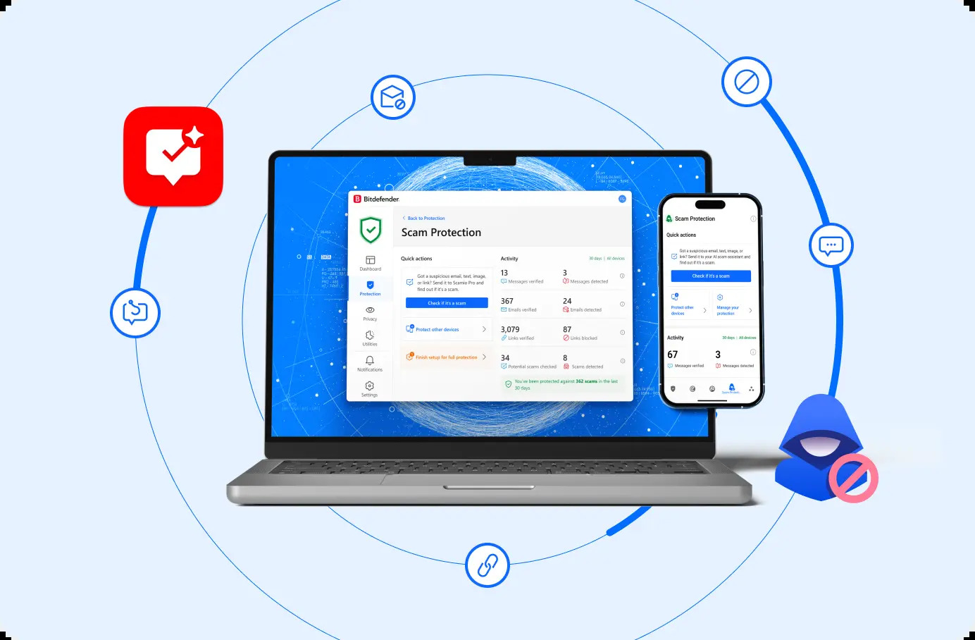
Updates patch the security holes that malware and spyware rely on, so turn on automatic updates for your phone, computer, and apps. Recent operating systems help here. Apple now turns on Stolen Device Protection for all iPhone users in iOS 26.4, which requires Face ID or Touch ID for sensitive actions when your phone is away from familiar places, and Android automatically resets permissions for apps you have stopped using. Back those settings with reputable antivirus software, and review app permissions so a flashlight app is not reaching your contacts or location.
4. Share less (and more strategically) on social media
Attackers mine social media for the details that verify your identity to commit fraud. A full birth date, a pet's name, a hometown, or a first school can double as an answer to a security question. Make sure to tighten your privacy settings so only people you trust can see your posts, and keep personal details like your birth date and address off public profiles.
5. Freeze your credit and set fraud alerts
A credit freeze is the single strongest move against new-account fraud, and it is free by federal law in the US. A security freeze restricts access to your credit reports, so a lender who tries to open a new account cannot pull your file to approve it. Place one at each of the three major credit bureaus separately, since a freeze at one does not carry to the others. Requests placed online or by phone take effect within one business day, and you can lift a freeze in as little as an hour when you need to apply for credit yourself.
If you would rather keep your credit accessible, a fraud alert is the lighter option. It asks lenders to verify your identity before granting credit and lasts one year, or seven years if you are a confirmed victim. Parents can also freeze a child's credit file, which matters because a child's unused Social Security number is a prime target, and the misuse can go unnoticed for years and affect their credit history.
How to protect your personal identity (outside the US)
Credit freezes, the FTC, and IdentityTheft.gov are US-specific, but the risk is global and so are the defenses. As of 2025, most countries have data-privacy laws on the books, from the GDPR across Europe and the UK to Brazil's LGPD and India's DPDP framework.
Under the GDPR, for example, you can ask any company what personal data it holds on you and request that it be deleted, which shrinks the pool of information a thief could exploit.
The monitoring layer works the same wherever you live. Dark web scanning, breach alerts, and password managers do not depend on a single credit system, which is why a globally available service matters outside the US.
Bitdefender Digital Identity Protection is available worldwide and maps your digital footprint, tracks which services hold your data, and alerts you in real time when your information leaks. For account-level fraud where local credit reporting exists, check whether your national credit bureau offers its own freeze or alert equivalent, since many now do.
How to check if someone is using your identity (and get identity theft protection)
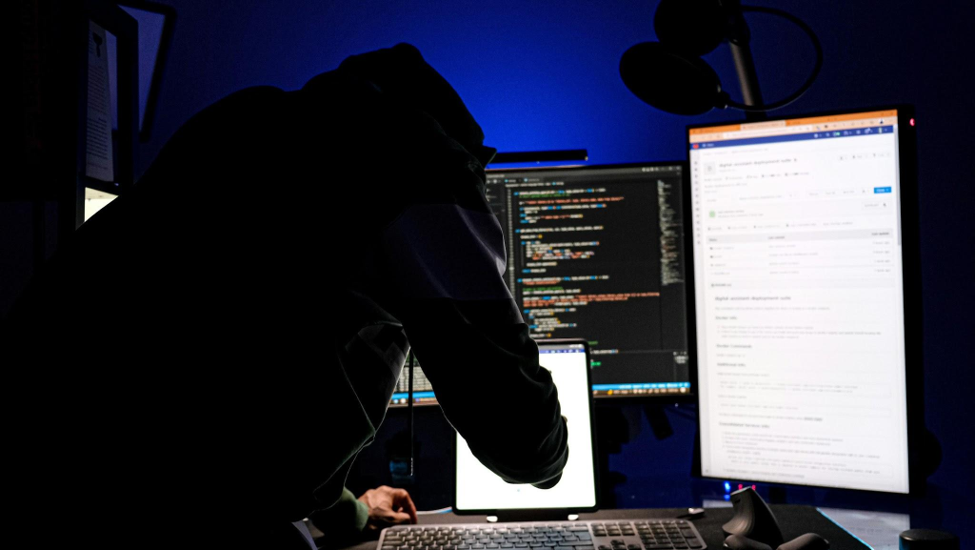
Regular monitoring is how you catch fraud while it is still small, and the habit of learning to monitor your own accounts costs nothing. The fastest signals are free and already available to you:
● Review your bank statements and credit card statements each month for charges you do not recognize, including small test financial transactions that thieves use to confirm a credit card works before a larger purchase.
● Monitor for suspicious activity by setting up account alerts for transactions over a set amount, new payees, and changes to your contact details, so your bank tells you the moment something shifts.
● Your credit file is the other place fraud shows up first. In the US, you are entitled to one free annual credit report from each of the three major credit bureaus (Equifax, Experian, and TransUnion) at AnnualCreditReport.com. Request one bureau every four months, and you get free coverage across the whole year. Read each report for accounts you did not open and inquiries you did not authorize, and dispute any error you find directly with the bureau that reported it.
Now, monitoring services automate this watch and widen it, so you no longer have to monitor every statement by hand. Credit monitoring services notify you when your credit file changes, such as a new account or a hard inquiry, and identity monitoring services monitor and extend the same idea to the dark web and data breaches.
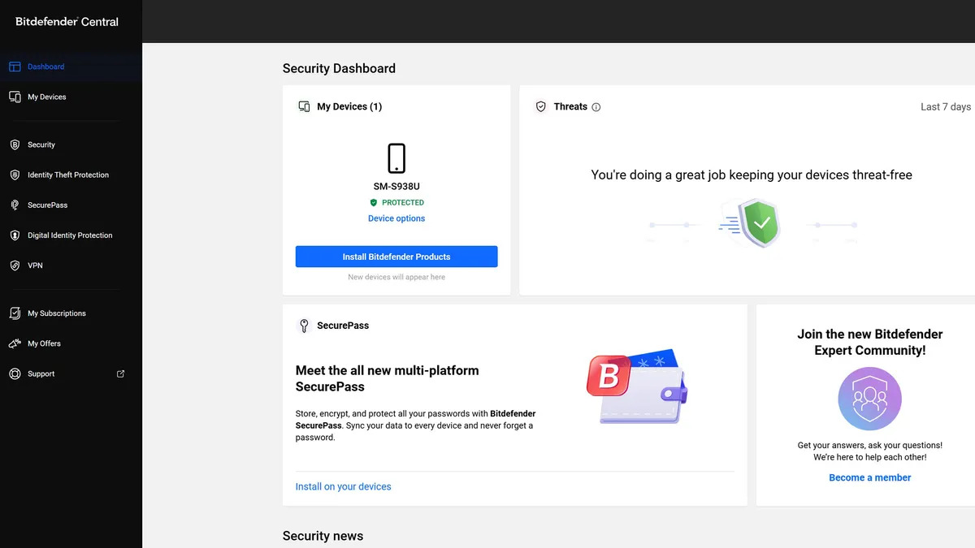
Bitdefender Identity Theft Protection combines both by tracking your credit alongside your identity and privacy, so a single alert covers a new credit line and a leaked record on the dark web.
But if you want to go a step ahead and really tighten your security, Bitdefender Ultimate Security folds that identity protection into a wider layer of prevention, pairing the monitoring and recovery above with scam and email protection, a VPN, and device security that work to stop the phishing, malware, and data leaks that hand your details to thieves in the first place.
What to do if you suspect identity theft
If someone has your Social Security number or you spot fraud in progress, move in order and keep records of phone calls and letters. Fast, organized action limits the damage.
- First, contact the fraud department of any affected bank or card issuer. Freeze or close the compromised accounts, dispute the fraudulent charges and any unauthorized charges, and reset the passwords and multi-factor authentication on the linked online accounts.
- Second, place a fraud alert with one of the major credit bureaus, which is free and legally required to be shared with the other two.
- Third, if you are in the US, file a report at IdentityTheft.gov, which builds you a personalized recovery plan and generates the letters you will need for creditors and bureaus. Outside the US, report the incident to your national data-protection authority.
- Fourth, file a police report with local law enforcement to create an official record of the theft, which supports your disputes with creditors and identity theft insurance company. If the fraud is tax-related, respond to any IRS notice promptly and request an Identity Protection PIN if you qualify.
Our subscribers in the US work with certified specialists who handle creditor contacts, agency filings, and credit bureau disputes until the case closes, which spares you the hardest part of recovery.
Start protecting your identity long-term
Identity theft involves unauthorized use of personal and financial information. It can lead to distress and costly financial and personal outcomes. Fortunately, identity theft prevention comes down to an easy-to-sustain routine:
● Strong unique passwords with multi-factor authentication
● Caution with the personal or sensitive information you share online and offline
● Layer monitoring so exposure reaches you as an alert rather than a surprise
● A frozen credit file if you suspect identity theft or a breach in your personal and sensitive information
● Monthly checks of your statements and credit reports (make sure to use your one free credit report each year)
For protection that combines proactive monitoring with recovery in one place, Bitdefender Ultimate Security brings device security, privacy tools, and identity theft protection together. Get peace of mind and steer away from identity theft-related costs.
Frequently asked questions
How do I protect myself if someone has my SSN?
Place a fraud alert or credit freeze with the major credit bureaus right away so no one can open new credit accounts in your name. File a report at IdentityTheft.gov for a recovery plan, review your credit reports for accounts you did not open, and consider requesting an IRS Identity Protection PIN to block tax fraud. Keep a record of every step you take.
How do I check if someone is using my identity?
Watch three places. Review your bank and credit card statements monthly for charges you do not recognize, check your free credit reports from each bureau for unfamiliar accounts or inquiries, and use credit monitoring or identity monitoring to catch dark web exposure and credit file changes as they happen.
Can someone steal your identity without your SSN?
Yes. A thief can do real harm with your name, birth date, email, or account number alone, using them to access existing accounts or piece together enough to impersonate you. This is why protecting all of your personal information matters, not only your Social Security number.
Is a credit freeze better than credit monitoring?
They do different jobs, so use both. A security freeze restricts access to your credit file and prevents most new accounts from being opened, working as prevention. Credit monitoring alerts you after a change occurs, working as detection. A freeze stops new-account fraud at the source, while monitoring catches the activity a freeze cannot, such as misuse of existing accounts.
tags
Author
The meaning of Bitdefender’s mascot, the Dacian Draco, a symbol that depicts a mythical animal with a wolf’s head and a dragon’s body, is “to watch” and to “guard with a sharp eye.”
View all postsYou might also like
Bookmarks
