Free parking in Russia after Distributed Denial-of-Service attack knocks city's parking system offline

March 16, 2026
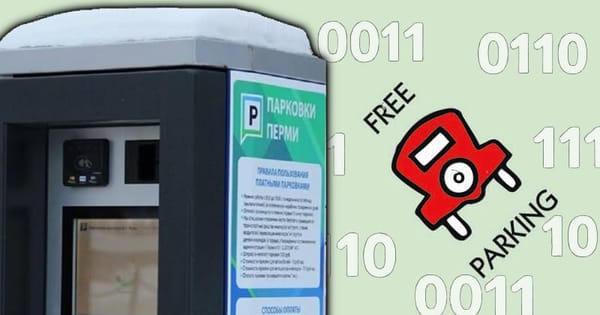
Drivers in the Russian city of Perm have been enjoying an unexpected bonus this week: free parking.
Not because the city council suddenly decided to embrace generosity - but rather because hackers succeeded in knocking the city's payment system offline.
According to a Telegram post by local authorities, a "large-scale cyberattack" hit Perm's automated parking system, overwhelming the systems used to process parking payments.
In its post officials blamed the shutdown of the permparking.ru portal and other associated payment systems on a "massive DDoS attack."
As a consequence, drivers were told that they would not be held responsible for non-payment between 10-13 March, and that paid parking zones would remain free as normal over the weekend.
In other words, if you parked your car during the outage you would be forgiven for non-payment as the meters were not functioning properly due to the cyber attack.
Officials said that they had a team working on resolving the issue, and they hoped that systems would be back up and running as normal by today - Monday 16 March.
DDoS attacks like that suspected of breaking the parking payment systems in Perm work by flooding online services with vast amounts of traffic, often using a botnet of compromised computers of devices. In this way, systems can be overwhelmed and unable to process legitimate requests - such as, in this case, parking payments.
This certainly is not the first time that "smart" parking meters have attracted the attention of cybercriminals. For instance, back in 2009, security researchers demonstrated a way to meddle with San Francisco's smart parking meters - finding ways that could allow them to easily obtain unlimited parking, or reduce the time on someone else's parking meter so they might be towed away.
Meanwhile, in 2015, a study of Android parking apps found a number of vulnerabilities that could allow hackers to steal drivers' passwords and payment card details.
More recently, warnings have been issued by police forces about the risk that fraudulent QR codes stuck on the side of parking meters might trick drivers into visiting a fraudulent website and handing over their financial information to cybercriminals.
tags
Author

Graham Cluley is an award-winning security blogger, researcher and public speaker. He has been working in the computer security industry since the early 1990s.
View all postsYou might also like
Bookmarks
