Why an Empty Bank Account Is Valuable to Cybercriminals

August 21, 2026
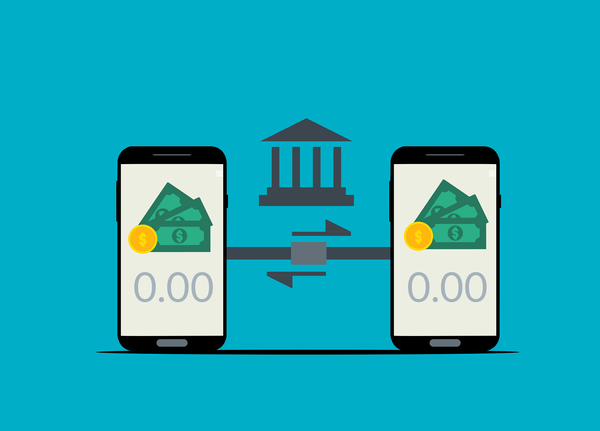
Even if it’s not immediately obvious, bank accounts hold something that can be just as useful as cash: a detailed record of your financial life. Transactions can reveal where you work, what services you use, who sends you money, when you pay bills and which other accounts may be connected to your name.
That information can help enable identity theft, more convincing scams and fraud that unfolds over time.
A criminal breaking into a bank account with no money in it doesn’t make the breach harmless.
Key takeaways
- A low balance does not make a compromised bank account safe
- Transaction histories can expose personal details criminals can use in follow-up scams
- Attackers may wait for incoming payments, exploit connected services or try reused passwords elsewhere
- A compromised account can also be used to receive and move stolen money
- Report suspicious access or transactions to your bank immediately
An empty account is not an empty target
The obvious risk of a bank account takeover is theft. A criminal can transfer money, make purchases or attempt withdrawals. But the account balance is not the only valuable aspect.
Someone with access to an account can see regular salary payments, tax refunds, benefits, insurance payments, reimbursements or transfers from relatives. They may wait for money to arrive.
They will also look for services connected to the account, including payment apps, debit cards, overdraft facilities, savings accounts or automatic bill payments. What is available depends on the bank and the account, but even limited access can give criminals useful information or options.
The Consumer Financial Protection Bureau advises people to monitor accounts for unfamiliar activity, including small charges or debits. These may be attempts to test whether stolen details work before a larger fraud attempt.
Your transaction history can become a fraud playbook
A bank statement is often a surprisingly detailed profile of a person’s life. It reveals employers, utility providers, insurers, subscriptions, mortgage or rent payments, medical providers, travel plans and shopping habits.
That information can help criminals build a more believable lie. Instead of sending a generic phishing message, they may impersonate a bank, delivery company, employer or family member using details that make the message seem credible.
For example, an attacker who sees a regular payment from an insurer might send a fake “policy update” email. Someone who notices regular transfers between family members may attempt an impersonation scam that appears to come from a relative in need.
Compromised banking details can lead to identity theft
Financial information is valuable because it can be combined with data stolen from other data breaches. A name, address, account number, payment history and contact details may help criminals impersonate a victim, attempt to open accounts or answer security questions.
Identity theft does not always become visible immediately. Warning signs can include bills for things you did not buy, debt collection calls, unfamiliar accounts on a credit report or loan applications being denied unexpectedly. USAGov’s identity theft guidance recommends reporting suspected identity theft to the affected financial institutions and taking action to protect your credit where appropriate.
Criminals may try the same password elsewhere
A bank account takeover can also confirm that a username and password combination works.
If the victim reused that password, as many people do, criminals may try it on email, shopping, social media, payment and cryptocurrency accounts. Access to email is especially valuable because it can allow attackers to reset passwords for other services.
This is why changing only the bank password may not be enough. If you used that password anywhere else, change it there too. The FTC specifically recommends creating a new, strong password and changing it on any other accounts where it was reused.
Your account could be used to move stolen money
Criminals sometimes use other people’s accounts to receive and transfer stolen funds. This is known as money mule activity.
A victim may not realize their account has been used this way until they see unexplained transfers, hear from their bank or face questions about suspicious activity.
The FBI’s Internet Crime Complaint Center warns that money mule schemes can expose people to identity theft, financial losses and serious legal consequences, even when they were not fully aware of the wider scheme.
A compromised account is therefore not just a victim’s problem. It can become part of the criminal infrastructure used to target other people.
What to do if you think someone accessed your bank account
- Act quickly, even if no money appears to be missing
- Contact your bank using the number on its official website, app or the back of your card
- Report unfamiliar transactions, new payees, changed contact details or login alerts
- Change your online-banking password and enable multi-factor authentication if your bank has this option
- Change any reused password on email, payment and shopping accounts
- Review connected cards, payment apps, direct debits and account alerts
- Check your account statements over the following weeks for delayed or small fraudulent transactions
- If personal information was exposed, follow your country’s identity-theft reporting and credit-monitoring guidance
Never rely on a phone number or link sent in an unexpected text or email claiming to be from your bank. Find the bank’s official contact details independently.
Better protection starts before a breach
Use a unique password for every financial account and store it in a reputable password manager. Turn on multi-factor authentication, keep your phone and computer updated, and avoid using links in unexpected messages.
A security solution can also help block malicious websites and phishing attempts before they reach a fake banking page. Bitdefender Ultimate Security includes protection designed to help keep phishing, scams and identity-related threats from turning into a larger problem.
FAQ
Can someone steal money from an empty bank account?
Possibly, depending on the account’s features and linked payment methods. But even if there is no money to take immediately, criminals may wait for incoming payments or use the account data for other fraud.
Why would a hacker want my bank statements?
Statements can reveal personal information, regular payments, employers, services you use and people you send money to. Criminals can use these details to make scams more convincing.
Can a hacked bank account lead to identity theft?
Yes. Banking details may be combined with other stolen personal information to impersonate you, attempt account fraud or target you with more believable scams.
What is a money mule account?
A money mule account is used to receive or transfer money connected to crime. Criminals may use compromised accounts, or trick people into moving money for them.
What should I do if my bank account was compromised but no money was taken?
Contact your bank immediately, secure your login credentials, review recent activity and change any reused passwords. Do not wait for a financial loss to appear.
tags
Author

Silviu is a seasoned writer who followed the technology world for almost two decades, covering topics ranging from software to hardware and everything in between.
View all postsYou might also like
Bookmarks
