Consumer group Which? warns of surge in energy scams in the UK

April 03, 2026
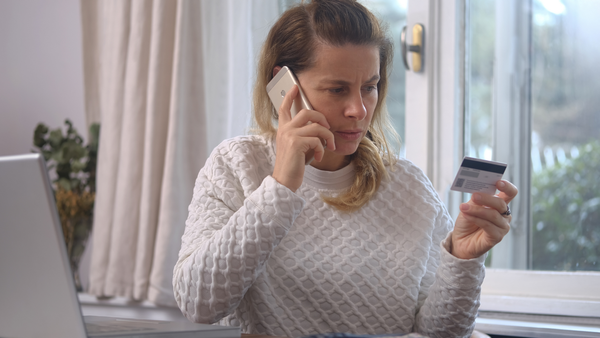
Energy bills are already a source of stress for many households. Now, scammers are using that anxiety as an entry point.
Consumer protection group Which? is warning Brits of a rise in energy-related scams, including fake calls from fraudsters impersonating well-known service providers like British Gas.
Key takeaways
- Scammers are impersonating energy providers in the UK to gain trust quickly
- They often already know personal details, making the call feel legitimate
- Most attacks rely on a sense of urgency or financial pressure
- Phone calls, texts, and emails are all being used
- Free tools can help you verify suspicious messages and links instantly
The fake energy provider call that feels real
According to Which?, one of the most common tactics involves cold calls from scammers pretending to represent trusted companies like British Gas.
Here’s how it usually happens:
- You receive an unexpected call
- The caller claims to represent your energy supplier
- They may already have details like your name, email, or postcode
- You’re asked to confirm or update your information
“A cold caller claimed to be from British Gas and asked for personal information, including sort code, to check the recipient of the call was covered for boiler breakdown and repairs,” Which? explains. “Other reports warned that callers have asked for their billing details and meter information, and that they were told that there was a problem with their upcoming bill. All appear to be an attempt to get bank details.”
Other energy scams to watch for
Beyond fake phone calls, there are several variations making the rounds:
‘You’re owed a refund’ messages
Texts or emails claiming you’re due money, with links to fake websites that steal your details. The consumer group said that some of the text messages impersonated the Department for Work and Pensions (DWP).
Disconnection threats
Messages that create panic by saying your energy will be cut off unless you act immediately.
Smart meter or inspection scams
Fraudsters offering upgrades or home visits while trying to collect personal information.
Fake energy-saving products ads
Similar scam messages and ads have been around for ages, but Which? recently found new adverts touting savings of up to 90% on your electricity bill for just the purchase of a £34.95 per device. The ads were also accompanied by a deepfake video.
How to tell if it’s a scam
These scams tend to follow familiar patterns.
Be cautious if you notice:
- Unexpected contact from someone claiming to be your provider
- Pressure to act quickly
- Requests for sensitive information
- Offers that sound too good to be true
- Links that don’t match official websites
A legitimate provider won’t rush you into making decisions over the phone or via text.
What to do if you’re targeted
If something doesn’t feel right:
- Don’t share personal or financial details
- Don’t click on suspicious links
- End the call and contact your provider directly using official contact details
And if you’re unsure, you can double-check in seconds.
Use free tools to stay one step ahead
Scammers rely on speed and confusion. A quick verification can make all the difference.
- Analyze suspicious messages instantly: Paste texts, emails, or screenshots into Bitdefender Scamio to see if they’re likely a scam
- Check links before you click: Use Bitdefender Link Checker to scan URLs safely
- Identify unknown callers: Bitdefender's reverse phone lookup can help you flag suspicious numbers before engaging
These tools are free and designed to help you make safer decisions in real time.
Your phone is the first line of defense
Many of these scams start with a call or a message, which makes mobile protection essential.
Bitdefender Mobile Security (for iOS and Android) adds an extra layer by:
- Blocking scam and spam calls
- Detecting phishing attempts
- Protecting your browsing and messaging activity
It helps stop threats before they turn into real problems.
tags
Author

Alina is a history buff passionate about cybersecurity and anything sci-fi, advocating Bitdefender technologies and solutions. She spends most of her time between her two feline friends and traveling.
View all postsYou might also like
Bookmarks
