Virtual Kidnapping Scam: What It Is and How to Protect Yourself and Your Loved Ones

September 11, 2024
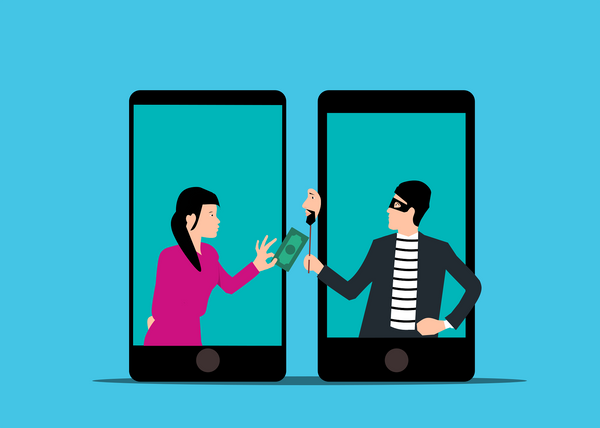
Virtual kidnapping is an extortion scam where criminals convince you that a loved one has been kidnapped and demand an immediate ransom, even though no real abduction has taken place. Scammers create panic by using personal information, AI-generated voice cloning, manipulated photos or videos, and threats to pressure victims into sending money before they can verify the story. The safest response is to stay calm, hang up, contact your loved one directly using a trusted number, and never send money based solely on a phone call, text, or message.
Key takeaways
- Virtual kidnapping scams use fear, urgency, and emotional manipulation to trick victims into paying a fake ransom.
- Scammers may use AI voice cloning, personal details from social media, or edited images and videos to make the kidnapping story seem real.
- If you receive a ransom call, hang up, contact your loved one directly, and notify law enforcement instead of sending money.
- Protect your family by limiting the personal information you share online, creating a family safe word, and using tools like Bitdefender Scamio to check suspicious messages, links, or screenshots before responding.
What is virtual kidnapping?
Virtual kidnapping is a type of extortion scheme where scammers use threats and manipulation to trick victims into paying a ransom to save a loved one they believe is in danger. In this scheme, no one is physically abducted. Scammers often act quickly, before their targets realize it's a hoax. Advanced technology, including AI tools, allows scammers to imitate a loved one's voice, making their demands more convincing and frightening. This can involve receiving a call from an unknown number, hearing a loved one sobbing for help, and then being subjected to demands for money or threats of harm. With the rise of AI voice cloning, these scams have become more believable, even to close family members.
The more aware you are of these tactics, the better equipped you'll be to stop scammers from succeeding.
Real life story
A chilling example of the cyber kidnapping trend involved 17-year-old foreign exchange student Kai Zhuang, who was studying in the U.S. Scammers convinced Zhuang to isolate himself in a rural area of Utah, claiming they would harm him if he didn't comply. Alone and terrified, Zhuang sent a picture of himself to the perpetrators, who then demanded an $80,000 ransom from his parents in China, convincing them that their son had been kidnapped. After receiving the payment, the scammers disappeared, leaving Zhuang scared and cold in the wilderness.
Source: bbc.com
How Virtual Kidnapping Scams Work
Virtual kidnapping scams generally follow a few key steps. First, scammers research potential targets, gathering information about individuals they think they can extort. Next, they select a 'kidnapping' victim, often the child of their primary target. They usually find this information by searching through social media, the internet, or the dark web.
Once they have their target, the scammers create a terrifying scenario designed to pressure the victim into making quick, emotional decisions. The goal is to trigger fear, leaving little room for rational thought.
The scammers often time their calls when they believe the loved one is unreachable, such as when they're on vacation. This adds urgency to the situation. Using AI-generated voice cloning, they mimic the kidnapped victim's voice, making the scam feel more real. The scammers might even reference personal details they found online to make the story even more convincing. Victims are then asked to send money, typically via untraceable methods like cryptocurrency.
Another tactic could involve SIM swapping, where scammers hijack the phone number of the 'kidnappee' before making the call, making it much harder for the victim to confirm their loved one's safety.
Related: What to Do If Scammers Have Your Phone Number
How to Avoid Falling Victim
Virtual kidnapping schemes rely on creating fear and urgency. Scammers know they have a limited window to extort money before their victims catch on or law enforcement gets involved. To protect yourself, watch for these warning signs:
- The caller insists on keeping you on the phone and won't let you hang up.
- The call doesn't come from your loved one's phone.
- The caller tries to prevent you from contacting the supposed victim.
- They demand a ransom through wire transfer, often to a foreign country, and may lower the amount quickly.
What to Do if You Get a Ransom Call
If you receive a call from someone claiming to have kidnapped a loved one and demanding a ransom, here's what you should keep in mind:
- In most cases, the safest option is to hang up right away.
- If you engage with the caller, avoid saying your loved one's name.
- Slow the situation down by asking to speak directly with your family member. Ask something like, "How do I know they're okay?"
- Ask questions only your loved one would know, and avoid sharing any personal details.
- Pay attention to the voice of the person claiming to be the victim.
- Try to contact the alleged victim using another phone or social media and ask them to call you back from their own phone.
- To buy time, repeat the caller's demands and say you're writing them down or need time to prepare.
- Never agree to pay a ransom through a wire transfer or in person, as delivering money in person can be dangerous.
Tips from fbi.gov. If you receive such a call, contact your local police or the nearest FBI office immediately.
Related: Everything you need to know about the "Hi mum, Hi dad" scam on WhatsApp
How to Stay Safe
A little knowledge goes a long way in preventing scams like virtual kidnapping. Here are some tips to reduce your risk:
- Avoid oversharing personal information on social media. Don't post things like addresses, phone numbers, or details about your family's holiday plans. Limit photos and videos of loved ones.
- Set your social media profiles to private to prevent criminals from finding personal information online. Is your data already on the internet? Find out with Bitdefender Digital Identity Protection, the tool that shows you your digital footprint and what breaches leaked your information.
- Watch out for phishing messages that aim to steal sensitive information or social media logins.
- Encourage family members to use geolocation trackers like Find My iPhone.
- If you receive a suspicious call, keep the scammer talking while you or someone else tries to contact the alleged victim using a different phone.
- Stay calm and avoid giving out personal information. Ask a question only your loved one would know and insist on speaking directly to them.
- Notify the police as soon as possible.
Related: Imposter Scams On The Rise: How to Protect Yourself
AI-Powered Virtual Kidnapping
Scammers are using AI to improve their tactics. With the ability to quickly analyze data, they can target individuals based on their location, social media activity, and financial background, similar to how marketers target potential customers. This customized approach makes virtual kidnapping scams even more dangerous, as they become more personalized and harder to detect.
Voice cloning technology is advancing rapidly and becoming more accessible to scammers. What once seemed like science fiction is now a reality, with increasingly convincing results.
Did you know?
We have a free tool that can help you identify scams in just a second.
If you suspect someone is trying to deceive you, use Scamio, our AI-powered scam detection tool.
You can submit any texts, messages, links, QR codes, or images to Scamio for analysis to determine if they are part of a scam.
Scamio is available on Facebook Messenger, WhatsApp, and your web browser.
You can also help others stay safe by sharing Scamio with them in France, Germany, Spain, Italy, Romania, Australia, and the UK.
Frequently asked questions (FAQ)
How can I tell if a virtual kidnapping call is real or a scam?
Most virtual kidnapping scams rely on creating panic, so they'll try to keep you on the phone and prevent you from verifying your loved one's safety. A key red flag is if the call doesn't come from your loved one's phone. The scammers may also avoid answering questions only your family member would know. It's best to stay calm, ask specific questions, and try to contact your loved one on another device.
Is virtual scamming illegal?
Yes. Virtual scamming is illegal and can involve crimes such as fraud, extortion, identity theft, wire fraud, cybercrime, and impersonation, depending on the scam and the country where it occurs. Scammers may use phone calls, text messages, social media, AI-generated voices, fake websites, or messaging apps to steal money or personal information. If you become a victim, stop communicating with the scammer, save screenshots and messages, report the incident to your local law enforcement and relevant authorities, and notify your bank or payment provider if money was sent.
What is virtual kidnapping?
Virtual kidnapping is a scam where criminals falsely claim they have kidnapped a family member or friend and demand an immediate ransom. To make the threat seem real, they may use personal information from social media, AI-generated voice cloning, edited photos or videos, or background sounds that create panic. Their goal is to pressure victims into sending money before they have time to verify the loved one’s safety. If you receive a virtual kidnapping call, stay calm, hang up, contact your loved one directly using a trusted number, and report the incident to law enforcement instead of paying the ransom. You can also use Bitdefender Scamio to check suspicious messages, screenshots, or ransom claims before responding.
tags
Author

Cristina Popov is a Denmark-based content creator and small business owner who has been writing for Bitdefender since 2017, making cybersecurity feel more human and less overwhelming.
View all postsYou might also like
Bookmarks
