7 signs your child is struggling with something disturbing they saw online

November 10, 2026
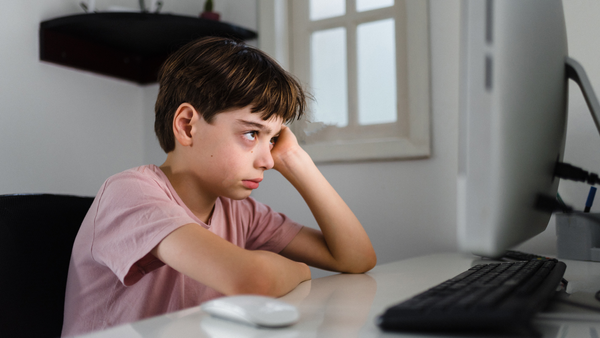
Children and teenagers can come across disturbing videos on social media, from scenes of war and bombings to street violence, serious accidents or other real-life tragedies.
Some children will tell their parents what they've seen and how it made them feel. Others may not mention it at all, even if the images continue to bother them. So how can you tell if your child is struggling, especially if they don't want to talk about it?
We asked Anca Ivu, clinical psychologist and cognitive behavioral therapist, about the signs parents should watch for, including some less obvious reactions in teenagers.
Key takeaways
- Children may show signs of distress through sleep problems, anxiety, irritability, difficulty concentrating or changes in behavior.
- Younger children may become clingier, develop old fears again or express their worries through play.
- Headaches, stomachaches and nausea can sometimes be physical signs of emotional distress.
- Teenagers may withdraw, downplay what they've seen or repeatedly return to disturbing content.
- What matters most is how intense the reactions are, how long they last and whether they affect everyday life.
7 signs your child is struggling with disturbing content they saw online
Children don't always have the words to explain how something they saw online made them feel. Their reactions can also vary depending on their age, personality, previous experiences and how close they feel to the event.
The National Child Traumatic Stress Network (NCTSN) describes a range of age-related responses to frightening or traumatic events. Some are easy to recognize, while others can be mistaken for ordinary childhood behavior.
Here are seven signs worth paying attention to.
1. They're suddenly more anxious or worried about safety
Your child may start asking questions they never asked before:
- "Could that happen here?"
- "Are we safe?"
- "Could you die too?"
- "What if something happens to me?"
They may become more concerned about where you are, whether you're coming home or what could happen to other family members. For a younger child, this might mean needing more reassurance than usual. An older child may become unusually interested in news about violence, wars or other dangerous events.
According to Anca Ivu, repeated questions about safety can be one way children express the distress they feel after seeing something frightening.
What parents can do: Answer their questions calmly and honestly, without offering guarantees you cannot make. Help them understand the difference between something happening elsewhere and the danger they face in their own daily lives.
2. They're having trouble sleeping or having nightmares
Your child used to fall asleep without problems, but now bedtime has become difficult. They may ask you to stay longer, leave the light on or sleep nearby.
Other changes might include nightmares, waking during the night or being afraid to sleep alone.
Frightening images can stay in a child's mind and quiet moments, especially at bedtime, may bring those memories and worries back.
What parents can do: Keep bedtime routines predictable, offer reassurance and avoid further exposure to upsetting news or videos before sleep. If sleep problems continue or become more severe, consider seeking professional advice.
3. They're more irritable, emotional or easily upset
Not every child responds to disturbing content by becoming visibly frightened or sad. Some become impatient, angry or unusually sensitive. They might snap at family members, argue more often or have emotional outbursts over things that normally wouldn't bother them.
Younger children may become more restless or aggressive.
These changes don't necessarily mean that something disturbing online is responsible. But if they appear after a child has encountered frightening content, they're worth exploring.
What parents can do: Instead of focusing only on the behavior, try asking what has been on their mind lately. Choose a quiet moment when they don't feel pressured to explain themselves.
4. They're clingier or showing fears they had outgrown
Sometimes children express distress by returning to behaviors that parents thought were behind them.
For example, they may suddenly want to share your bed again, become upset when you leave the house or start worrying about being separated from you.
Younger children may temporarily regress in previously acquired skills or repeatedly act out scenes involving danger during play.
"Children may express distress through their behavior rather than words," explains Anca Ivu.
These reactions can be particularly confusing for parents because the child may not mention the video or image that upset them.
What parents can do: Offer comfort without criticizing the child for behaving younger than their age. Pay attention to recurring themes in their play or questions, but don't assume every change is connected to what they saw online.
5. They're complaining about headaches, stomachaches or feeling sick
Research has found associations between posttraumatic stress symptoms and physical complaints in children and adolescents. A study on somatic symptoms in traumatized children and adolescents explores this connection. This doesn't mean that every unexplained stomachache or headache is caused by something a child saw online. Physical symptoms can have many causes and shouldn't automatically be attributed to anxiety.
What parents can do: Take physical complaints seriously and seek medical advice when appropriate. If your child also seems worried, withdrawn or unusually stressed, gently ask whether something has been bothering them.
6. They're withdrawing, losing interest or struggling to concentrate
This is one of the signs parents of teenagers should pay particular attention to.
A teenager who has seen something disturbing may not cry, ask questions or admit they're frightened. Instead, they may seem indifferent. They might spend more time alone, avoid conversations, become irritable or lose interest in activities they usually enjoy. They may struggle to concentrate at school, seem distracted or have trouble completing everyday tasks.
"With teenagers, distress may appear as withdrawal, minimization or apparent indifference," Anca explains.
A teenager saying "It's nothing" or "I don't care" doesn't always mean the content had no effect on them.
What parents can do: Don't force a conversation or interpret silence as proof that everything is fine. Let your teen know you've noticed a change and that you're available if they want to talk.
7. They keep going back to the disturbing videos or news
This may be the most surprising sign. You might expect a child who was frightened by a violent video to avoid seeing it again. But some children and teenagers do the opposite. They return to the footage, search for updates, read comments or look for other videos showing the same event.
Sometimes it's curiosity, but they may also be trying to understand what happened or make sense of something that frightened them.
Anca Ivu points out that repeated exposure deserves attention, especially when the child already seems distressed.
Research following major disasters has explored the relationship between children's media consumption and stress symptoms. For example, studies examining media use among young people after the September 11 attacks and the relationship between disaster coverage and existing stress symptoms suggest that distress and repeated media exposure can be connected.
That doesn't mean every teenager who follows upsetting news is struggling emotionally. But repeatedly watching graphic footage while becoming increasingly anxious, having trouble sleeping or withdrawing from everyday activities is a reason to check in.
What parents can do: Ask what they're hoping to find by watching more. Help them get reliable information without repeatedly exposing themselves to graphic footage. Muting certain accounts, limiting autoplay and taking breaks from news updates can help.
When should you worry about your child's reaction to disturbing online content?
It's normal for children to feel upset, think about what they've seen or need extra reassurance after watching something frightening. Most children won't develop PTSD simply because they've encountered disturbing content online.
Anca recommends looking at three things when deciding whether your child may need extra support:
- Intensity: How strongly is my child reacting? Is their fear or distress unusually difficult to manage?
- Persistence: Are the reactions gradually fading, or are they continuing or becoming worse?
- Everyday functioning: Is this affecting their sleep, schoolwork, friendships, usual activities or ability to stay alone?
Compare what you're seeing with your child's usual behavior. A teenager who has always enjoyed spending time alone isn't necessarily withdrawing. But a sociable teen who suddenly stops seeing friends, sleeps poorly and seems constantly worried may need more support.
The NCTSN also emphasizes that children's responses can vary depending on their age, their connection to the event and previous vulnerabilities.
If symptoms persist, intensify or interfere with daily life, speak with a pediatrician or qualified mental health professional. You don't need to wait until things become severe to ask for guidance.
What should parents do if they notice these signs?
If you've noticed changes in your child's behavior, ask how they've been feeling and whether something they saw online is bothering them. Mention what you've noticed, whether it's trouble sleeping, worrying more than usual or spending less time with friends.
Give them time to talk, especially teenagers who may not want to open up right away. Don't ask them to replay the video or describe disturbing details. If they have questions about what happened, help them find reliable, age-appropriate information.
You can also review their social media feeds together, show them how to hide disturbing content and talk about why watching the same upsetting footage repeatedly may make things worse.
For more advice, read When Kids See Tragedy Online: What Parents Should Say and Do.
Help protect your child from disturbing content and online scams
For younger children, parental controls can help you manage which apps and websites they use and how much time they spend online. Bitdefender Family Plans include Parental Control, along with protection against scams, malicious links and other online threats across the family's devices.
After a major tragedy, disturbing videos aren't the only concern. Scammers may also exploit the event through fake donation appeals, misleading posts and malicious links. Remind your children to check with you before donating money, following suspicious links or sharing payment information, even when a post seems to come from a good cause.
Find out how Bitdefender Family Plans can help keep your family safer online.
You may also want to read:
- How to teach your child online safety without scaring them
- Your teen outgrew parental controls. Now what? How to keep teens safe online
- How to tell if your teen has a secret social media account
FAQs
Can watching violent videos online traumatize a child?
Disturbing videos can cause fear, anxiety and other stress reactions, but seeing violent content doesn't automatically mean a child will develop trauma-related symptoms or PTSD. The impact depends on several factors, including the child's age, previous experiences, the nature of the content and their response to it.
Why does my child keep watching disturbing videos?
Children and teenagers may return to upsetting footage out of curiosity or because they're trying to understand what happened. Repeated viewing can also be associated with distress. If your child seems increasingly anxious or upset, help them find information without watching more graphic footage.
How long can a child be upset after seeing something disturbing online?
There's no fixed timeline. Some children recover quickly, while others may remain upset for days or longer. Watch whether their reactions are becoming less intense or whether they're continuing to affect sleep, school, relationships and everyday activities.
Should I worry if my teenager doesn't seem upset by violent videos?
Not necessarily. Teenagers may process upsetting information privately or avoid showing their emotions. However, apparent indifference combined with withdrawal, irritability, sleep problems or other noticeable changes may be worth discussing.
When should I seek professional help for my child?
Consider speaking with a healthcare professional if your child's distress persists, becomes more intense or interferes with everyday life. Seek help sooner if symptoms are severe, and urgent assistance if there are concerns about immediate safety.
tags
Author

Cristina Popov is a Denmark-based content creator and small business owner who has been writing for Bitdefender since 2017, making cybersecurity feel more human and less overwhelming.
View all postsYou might also like
Bookmarks
