What is fidget trading? Online scams and safety tips for parents

October 05, 2026
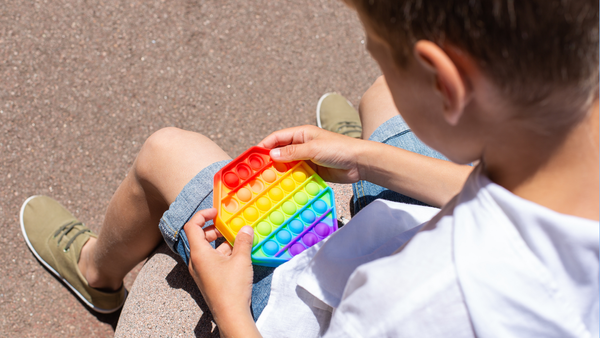
Fidget trading may happen on the playground, but like many kids' trends, much of the excitement around it is being fueled online. Kids watch trading videos, hunt for rare toys, compare collections and may look for places to buy, sell or swap them online. That's where a harmless schoolyard game can introduce some less obvious digital risks.
At the same time, for parents, fidget trading can be a useful opportunity to talk about scams, privacy and why online trades need different rules.
Key takeaways:
- Fidget trading often starts between friends, but kids may also go online to find rare toys, sellers, giveaways or potential trades.
- Fake shops, suspicious links, scams and requests for personal information are some of the risks kids may encounter.
- Rare or hard-to-find toys can create urgency and make kids more likely to act before checking an offer.
- Teach kids to involve a parent before buying or trading with someone they don't know online.
What is fidget trading?
Fidget trading is kids swapping fidget toys with friends and classmates, often trying to trade several common toys for something rarer or more desirable. Like trading Pokémon cards, stickers or other collectibles, kids may swap popular fidget toys such as NeeDoh, Pop Its, Squishmallows, Mochi squishies and other sensory toys, deciding what each item is worth and negotiating until both sides agree.
Much of the actual trading may happen offline, at school, on the playground or between friends. But the trend also has an online side: kids can watch fidget trading and collection videos, compare what they own with other people's collections, discover rare or sought-after toys and find new ones they want to buy or trade for. A particular color, design or toy can suddenly become more valuable because it's difficult to find, popular online or something everyone else seems to want.
When the hunt for the next rare toy takes children online to social media, online shops, marketplaces or conversations with people they don't know, the rules change. Scarcity, anticipation and fear of missing out can make anyone more likely to act quickly, and that's where fidget trading can become a useful lesson in digital safety.
What are the risks of online fidget trading?
Buying, selling or trading fidget toys online can expose kids to risks they may not recognize.
Here are some things parents and kids should watch for:
- Fake shops and sellers. Scammers can advertise popular or rare fidget toys that don't exist, send counterfeit products or take the money without sending anything.
- Fake giveaways. A post promising a free NeeDoh or another popular toy may be designed to get kids to click a malicious link, share personal information or pay a supposed shipping fee.
- Scams involving rare toys. Offers for hard-to-find or limited-edition fidgets can use scarcity and urgency to push kids into acting quickly or sending money before checking who they're dealing with.
- Sharing personal information. An online trade may involve requests for a child's full name, home address, phone number or other details they shouldn't share with a stranger.
- Contact with strangers. Someone offering a trade may ask a child to continue the conversation in DMs or on another app, where parents may be less likely to see what's happening.
- Suspicious links. A seller or trader may send a link supposedly showing the toy, confirming the trade or arranging payment. It could instead lead to a phishing or malicious website.
- Oversharing in photos and videos. Collection posts can unintentionally reveal a school uniform, name, location or other personal details in the background.
The excitement around finding a rare toy can also be a useful way to teach kids how scams work. Offers such as "only one left," "send yours first" or "claim it now" are designed to make people act quickly, so teach kids that feeling rushed is a good reason to stop and check.
Set rules for online fidget trades
Depending on your child's age, some useful family rules include:
- Online purchases or trades with strangers should always involve a parent.
- Don't share a home address, phone number, school name or other personal information with someone you don't know.
- Don't move conversations with strangers to private messages or another app without telling a parent.
- Don't click links sent by someone offering a trade, prize or giveaway without checking them first.
- Never share passwords or verification codes.
- If a rare toy, giveaway or deal seems too good to be true, show a parent before responding.
If you're not sure whether an offer, message or giveaway is a scam, you can check it with Bitdefender Scamio. For suspicious URLs, Bitdefender Link Checker can help you check a link before you open it.
For broader protection, a Bitdefender Family Plans can help protect your family's digital lives as a whole, from scams and malware to privacy and internet time, with tools for both parents and kids.
And make sure asking you for help doesn't automatically mean losing the toy, app or privilege of trading. You want your child to come to you with the suspicious message or incredible deal before they respond to it.
Learn more about Bitdefender Family Plans and how they can help protect your family's devices, accounts and privacy.
You may also want to read:
- Have screens replaced toys? How to find the right balance for your child
- How to teach your child online safety without scaring them
- Should you let your child post selfies online? What parents should know
- What to do if your child gets scammed online: A parent’s step-by-step guide
FAQs
What is fidget trading?
Fidget trading is the practice of swapping fidget toys, such as NeeDohs, Pop Its, squishies and other sensory toys. Kids may trade toys based on rarity, popularity, condition or simply how much they want a particular item.
Is fidget trading safe for kids?
Trading fidget toys with friends can be harmless fun. The risks change when kids buy, sell or arrange trades online, particularly with strangers. They may encounter scams, fake sellers, suspicious links or requests for personal information.
Can kids trade fidget toys online?
Kids may find sellers, collectors or people interested in trades through social media, marketplaces and other online platforms. Parents should be involved in any purchase or trade with someone a child doesn't know and handle any exchange that requires payment or sharing an address.
How can parents make online fidget trading safer?
Set clear rules about buying and trading online. Kids should know not to share personal information, send money, click unfamiliar links or continue private conversations with strangers without involving a parent.
How can you tell if a fidget toy website is a scam?
Be cautious of unfamiliar websites offering rare or sold-out toys at unusually low prices, creating pressure to buy immediately or using suspicious payment methods. Check the website and URL carefully before entering payment or personal information.
tags
Author

Cristina Popov is a Denmark-based content creator and small business owner who has been writing for Bitdefender since 2017, making cybersecurity feel more human and less overwhelming.
View all postsYou might also like
Bookmarks
