FBI Sounds Alarm over Virtual Kidnapping Scams – Your Social Media Feed Helps Criminals Build the Perfect Hoax

December 08, 2025
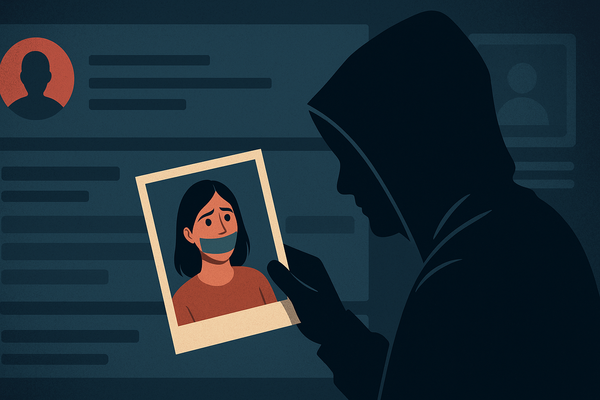
The FBI has issued a warning about a wave of “virtual kidnapping” scams where cybercriminals use manipulated images and AI-powered impersonation to prey on people’s worst fears.
In a recent announcement, the bureau warns that scammers are now combing social media for photos of potential victims or their relatives, then altering them and sending them as “proof-of-life” in ransom demands.
“The criminal actors pose as kidnappers and provide seemingly real photos or videos of victims along with demands for ransom payments,” according to the notice.
No real kidnapping ever occurs – the only thing the criminals "take" is money.
According to the FBI, victims are contacted unexpectedly, often via text or phone call, with threats of violence or death if they don’t pay immediately.
Playing into the criminals’ hands
The rise of virtual kidnapping scams comes at a time when, according to the 2025 Bitdefender Consumer Cybersecurity Survey, people’s digital habits are playing right into criminals’ hands.
In our survey, 37% of respondents said their biggest worry about artificial intelligence is its use in sophisticated scams – including deepfakes and voice clones.
Social media is the new scam delivery system. For the first time, more people reported encountering scams via social media (34%) than via email (28%), or other channels.
Despite widespread awareness, risky behavior persists. Many people accept cookies without review, reuse passwords, and skip security tools capable of sniffing out scams – habits that make their accounts easier prey for cybercriminals.
Real cases of AI-assisted extortion
Two recent stories illustrate how deeply these scams can cut – and how easy it is to be fooled when criminals combine emotion and technology.
In one case, a woman in Florida lost $15,000 after scammers used an AI-cloned voice of her daughter, pretending she was in distress and requesting money for release.
In another, scammers impersonated a son claiming to have crashed a car and urgently needing $15,000 for a “bailout.” Because the voice sounded like his, the parents nearly fell victim to the scam.
These incidents are not isolated – they reflect a growing trend of emotionally manipulative scams that target families, trust, and instinct.
How to stay safe
Given how quickly scammers are evolving, common sense alone is no longer enough. Here are some concrete steps you and your loved ones can take to stay ahead:
- Treat social media posts with caution. Avoid sharing sensitive personal information – especially birthdates, travel plans, or location updates – and review privacy settings so that posts are shared only with trusted friends/family.
- Establish a family safe word or verification code. If you ever receive a call claiming a loved one is in danger – ask them for a prearranged word or phrase that only you and they know. Reaching out directly to the alleged victim via a separate device helps too.
- Use strong, unique passwords and a password manager. If you reuse passwords or write them down, you make it easier for criminals to hijack your online accounts.
- Install a trusted security solution on all devices, including phones. According to our survey, nearly half of users don’t secure their smartphones with an independent security tool – yet many use their phones for banking, shopping, social media, and other sensitive operations.
- Be skeptical of any demand for immediate action – and always slow the process down. Scammers rely on a sense of urgency and panic. If you receive a ransom demand, pause, verify the facts, contact authorities, and contact the “victim” directly.
The FBI warning is a wake-up call. As our survey shows, people know the risks they face. But awareness must translate into action – because what you share on social media can be used against you.
You may also want to read:
FBI: Scammers Are Posing as Your Bank – Here’s How to Protect Your Account
FBI Warns of Chinese-Language Phone Scam Targeting US Residents
1 in 7 Consumers Got Scammed in the Past Year – Bitdefender Consumer Cybersecurity Survey 2025
tags
Author

Filip has 17 years of experience in technology journalism. In recent years, he has focused on cybersecurity in his role as a Security Analyst at Bitdefender.
View all postsYou might also like
Bookmarks
